Complete Silage Making Guide for Dairy Farmers
Introduction to Silage Making
Silage making is a crucial process for dairy farmers, allowing them to preserve high-quality fodder for their livestock. By transforming fresh forage into silage, farmers can ensure a stable source of nutritious dairy feed throughout the year, especially during periods of low forage availability.
Understanding Silage and Its Benefits
Silage is fermented, high-moisture fodder that can be made from various crops, with maize silage being one of the most popular choices among dairy farmers.
The Importance of Fodder Preservation
Preserving fodder through silage making helps in:
- Ensuring a consistent food supply during droughts or off-seasons.
- Reducing waste by utilizing excess forage.
- Enhancing the nutritional value of feeds for dairy cows.
Choosing the Right Materials for Silage Making
When embarking on the silage making process, selecting the right materials is essential. Here are some common crops used for silage:
- Maize: Rich in energy, maize silage is a favorite due to its high digestibility.
- Grass: Various grass species can be used to create nutritious silage.
- Legumes: Incorporating legumes can enhance protein content.
Steps for Effective Silage Making
1. Harvesting
Harvest the crops at the right stage, ideally when they have high moisture content. For maize, this is typically when the kernels are in the dough stage.
2. Chopping
Chop the harvested forage into smaller pieces (1-2 inches) to facilitate packing and fermentation. This helps in achieving uniform fermentation and can improve digestibility.
3. Packing
Pack the chopped forage tightly into a silage bunker or bag to eliminate air pockets. The goal is to create an anaerobic environment that promotes fermentation.
4. Sealing
Cover the silage with plastic to prevent air from entering. This step is crucial for successful fermentation, which can take several weeks.
5. Fermentation
Allow the silage to ferment for at least 3-4 weeks before feeding it to dairy cows. The fermentation process converts sugars into lactic acid, preserving the fodder.
Monitoring Silage Quality
After the fermentation period, it’s essential to check the silage quality regularly. Good silage should be:
- A bright green color.
- Free from mold and unpleasant odors.
- Moist but not excessively wet.
Feeding Silage to Dairy Cows
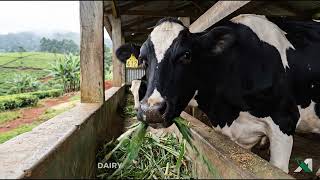
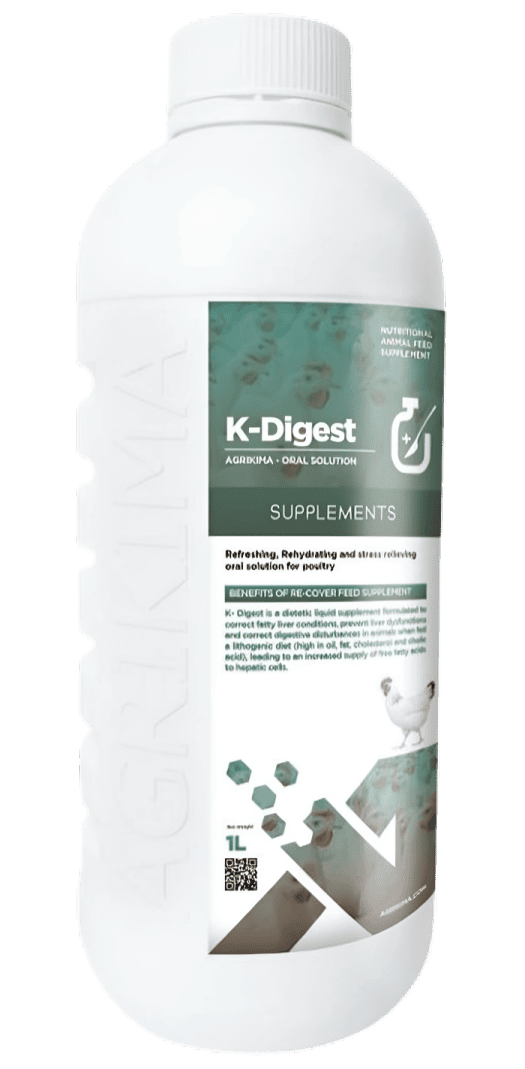
Incorporate silage into the dairy feed gradually to avoid digestive upsets. Monitor the cows' response to the silage and adjust the feeding amounts accordingly. Remember, quality veterinary products and supplements can enhance the overall health and productivity of your dairy herd when combined with silage feeding.
Common Challenges in Silage Making
1. Poor Fermentation
Caused by inadequate packing or air exposure, this can lead to spoilage. Ensure proper packing techniques and sealing.
2. Contamination
Be vigilant about keeping the silage clean. Contaminated silage can harm livestock health. Regularly check for mold and foreign materials.
Conclusion
Silage making is an invaluable skill for dairy farmers looking to enhance fodder preservation and provide high-quality dairy feed. By following the steps outlined in this guide and being proactive in monitoring silage quality, farmers can ensure their livestock thrive year-round.