Simple HACCP Plan for Small Feed Mills
Understanding HACCP in Feed Mills
The Hazard Analysis Critical Control Point (HACCP) system is a proactive approach to food safety, particularly relevant for small feed mills. It aims to identify and control potential hazards that could compromise animal feed quality and safety.
Why Implement a HACCP Plan in a Small Feed Mill?
- Enhances Food Safety: Protects livestock health by ensuring feed is safe from contaminants.
- Improves Quality Control: Establishes a robust quality system that monitors feed production.
- Meets Regulatory Standards: Helps comply with local and international feed safety regulations.
Steps to Create a Simple HACCP Plan
1. Assemble Your HACCP Team
Start by forming a team that includes individuals from different areas of your feed mill. Ensure you have representatives from production, quality control, and management. This diverse team will help identify potential hazards effectively.
2. Describe Your Feed Products
Clearly define the feed products you produce. Include details about the ingredients, processes, and intended use. This information is crucial for identifying hazards.
3. Conduct a Hazard Analysis
Identify potential hazards associated with each stage of feed production, such as:
- Bacterial Contamination: Pathogens like Salmonella or E. coli.
- Chemical Hazards: Residues from pesticides or contaminants from raw materials.
- Physical Hazards: Foreign materials such as metal shavings or plastic fragments.
Evaluate the severity and likelihood of each hazard to prioritize what needs attention.
4. Determine Critical Control Points (CCPs)
Identify points in your feed production process where you can control or eliminate identified hazards. Common CCPs in small feed mills include:
- Ingredient Inspection: Screening raw materials for contaminants before use.
- Cooking Temperatures: Ensuring that feed is processed at temperatures that eliminate pathogens.
- Storage Conditions: Monitoring humidity and temperature to prevent mold growth in stored feed.
5. Establish Critical Limits
For each CCP, set measurable criteria to determine if the process is within safe limits. For example, establish acceptable temperature and time conditions for heat treatment processes.
6. Implement Monitoring Procedures
Develop a monitoring system to ensure that each CCP remains within its critical limit. This may include:
- Regular temperature checks during cooking.
- Visual inspections of raw materials upon arrival.
- Record-keeping of moisture levels in storage.
7. Create Corrective Actions
Outline steps to take if monitoring indicates a deviation from critical limits. For instance, if cooking temperatures fall below the required level, the affected batch should be discarded, and the process reviewed.
8. Verification Procedures
Establish procedures to verify that the HACCP plan is effective. This may include:
- Regular audits of the HACCP plan.
- Testing feed samples for contaminants.
9. Record Keeping
Maintain detailed records of all monitoring activities, corrective actions, and verification checks. Documentation is essential for proving compliance and for continual improvement.
Integrating Quality Veterinary Products
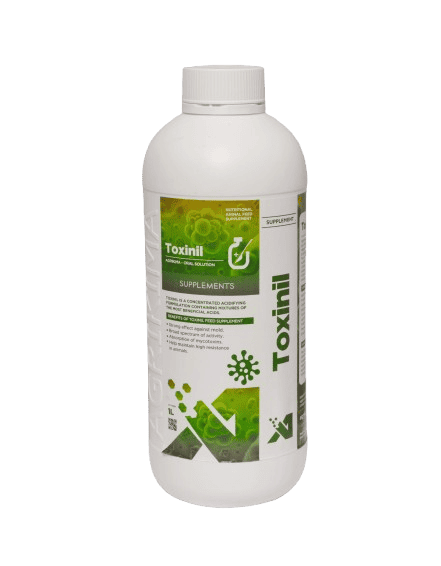
Utilizing quality veterinary products and supplements can enhance the overall effectiveness of your HACCP plan. Ensure that all products used in feed formulation are tested for safety and efficacy to maintain feed quality and animal health.
Conclusion
Implementing a simple HACCP plan in your small feed mill is an essential step towards ensuring food safety and improving the quality of your animal feed. By following these steps, you can minimize risks and provide safe, high-quality feed for your livestock.