Causes of Small Litter Sizes in Pigs and Solutions
Understanding Small Litter Sizes in Pigs
Small litter sizes in pigs can be a significant concern for farmers, impacting profitability and productivity. The average piglet count low can be attributed to various factors affecting sow fertility and overall farrowing performance. Understanding these causes is crucial for implementing effective solutions.
Common Causes of Small Litter Size in Pigs
1. Poor Nutrition
One of the primary causes of small litter sizes in pigs is inadequate nutrition during pregnancy. Sows require a balanced diet rich in vitamins, minerals, and energy to support fetal development.
- Deficiency in key nutrients: Lack of essential nutrients like folic acid, selenium, and vitamin E can lead to reproductive issues.
- Improper feed formulation: Using low-quality feed or improper feed ratios can hinder sow fertility.
2. Genetic Factors
The genetic makeup of sows can also play a role in litter size. Some breeds are naturally more prolific than others. Selecting the right breed for your farming needs can ensure better reproductive performance.
- Breed selection: Consider using breeds known for larger litter sizes, such as Landrace or Yorkshire.
3. Health Issues
Health problems can significantly affect a sow's ability to conceive and carry a healthy litter. Conditions such as:
- Reproductive diseases: Diseases like Porcine Parvovirus can lead to lower conception rates.
- Parasite infestations: Worms and other parasites can drain a sow's nutrients, impacting litter size.
4. Environmental Stressors
Environmental factors can greatly influence sow fertility and farrowing performance. Stressors include:
- Temperature extremes: Sows exposed to high heat can experience reduced fertility.
- Overcrowding: High stocking densities can lead to stress and aggression among pigs, negatively impacting reproduction.
5. Inadequate Management Practices
Management practices directly affect the overall well-being of sows. Poor practices can lead to:
- Improper heat detection: Missing the optimal breeding window can result in missed opportunities for conception.
- Poor farrowing conditions: Unhygienic or uncomfortable farrowing environments can lead to stress and lower piglet survival rates.
How to Fix Small Litter Sizes in Pigs
1. Improve Nutrition
Enhancing the diet of sows is vital for increasing litter sizes. Here are some tips:
- Provide high-quality feed with balanced nutrients tailored to pregnant sows.
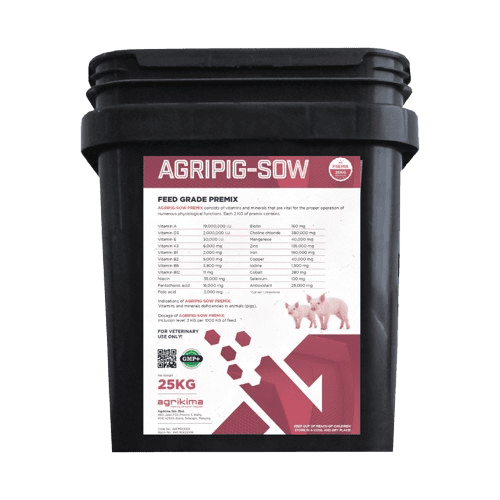
- Consider using veterinary supplements to ensure sows receive necessary vitamins and minerals.
- Implement a feeding schedule that ensures sows are well-fed throughout gestation.
2. Select the Right Breeding Stock
Choosing the right breed can improve litter sizes. Look for:
- Breeds with a proven track record of higher litter sizes.
- Genetic lines known for their fertility and productivity.
3. Regular Health Monitoring
Conduct regular health checks and vaccinations to prevent diseases that could affect reproduction. Additionally:
- Implement a deworming schedule to keep sows free from parasites.
- Consult with veterinarians to develop a comprehensive health plan for your herd.
4. Optimize Environmental Conditions
Creating a comfortable environment is crucial for sow fertility:
- Ensure proper ventilation and temperature control in housing facilities.
- Reduce stocking density to minimize stress and competition for resources.
5. Enhance Management Practices
Improving management practices can lead to better farrowing performance:
- Implement effective heat detection methods to maximize breeding opportunities.
- Provide clean, comfortable farrowing pens to reduce stress during farrowing.
Conclusion
Addressing the causes of small litter sizes in pigs is essential for maximizing productivity and profitability in pig farming. By focusing on nutrition, genetics, health, environmental conditions, and management practices, farmers can significantly improve sow fertility and overall farrowing performance. Utilizing quality veterinary products and supplements can further support these efforts, ensuring healthier sows and larger litter sizes.