Smallholder Pig Slaughter and Carcass Handling Guide
Understanding Smallholder Pig Slaughter
Smallholder pig slaughter is a crucial practice for farmers looking to provide quality pork for local sales. This process not only involves the humane treatment of pigs but also requires strict adherence to hygiene standards to ensure meat quality and safety. Proper planning and execution can significantly impact the profitability of your piggery.
Preparing for Slaughter
Before proceeding with smallholder pig slaughter, it’s essential to prepare adequately. Here are some practical steps:
- Choose the Right Time: Ensure the pig is of appropriate weight and age for slaughter. Generally, pigs are ready for market when they reach 100-120 kg.
- Plan the Slaughter Day: Select a day when you can dedicate time to the slaughter process without interruptions. Ensure all necessary equipment is clean and ready to use.
- Gather Your Tools: Essential tools include a sharp knife, a clean table, a bucket for blood collection, and a means to restrain the pig safely.
Hygienic Practices During Pig Slaughter
Maintaining hygiene during the slaughter process is paramount to prevent contamination and ensure consumer safety. Follow these guidelines:
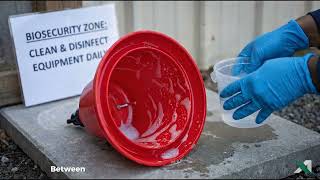
- Sanitize Your Equipment: Clean all tools and surfaces with hot water and disinfectant before use. This will help in reducing the risk of cross-contamination.
- Handle with Care: Ensure that the pig is handled humanely and calmly to minimize stress. Stress can affect the quality of meat.
- Blood Collection: Collect blood in a clean container as it can be used for various local delicacies. Ensure the collection area is separate from where the carcass will be processed.
Steps for Pig Slaughter
The process of pig slaughter should be conducted swiftly and humanely. Here are the basic steps:
- Stunning: Use a stunning method that complies with welfare standards to ensure the pig is unconscious before slaughter.
- Bleeding: After stunning, bleed the pig by cutting the jugular vein. Allow sufficient time for the blood to drain.
- Scalding and Scraping: Scald the pig in hot water (around 60°C) to loosen the hair, making it easier to scrape off. This step is crucial for a clean carcass.
- Butchering: Once the pig is cleaned, proceed to butcher the carcass. Proper butchering techniques will help preserve the quality of the meat.
Post-Slaughter Carcass Handling
After the slaughter, proper carcass handling is essential to ensure quality pork for local sales. Follow these steps:
- Cooling: Immediately cool the carcass to prevent bacterial growth. Ideally, it should be stored at temperatures below 4°C.
- Hygiene Practices: Ensure that the area where the carcass is processed is clean. Use separate utensils for different cuts of meat to maintain hygiene.
- Packaging: Package the meat in clean, food-grade materials. Label them according to local regulations to ensure traceability.
Regulatory Compliance for Local Sales
Engaging in local sales of pork requires understanding and complying with local regulations:
- Licensing: Ensure you have the necessary licenses for slaughter and meat sales as required by your local authority.
- Health Standards: Adhere to local health standards for meat processing and sales to maintain consumer trust and safety.
Enhancing Meat Quality with Veterinary Solutions
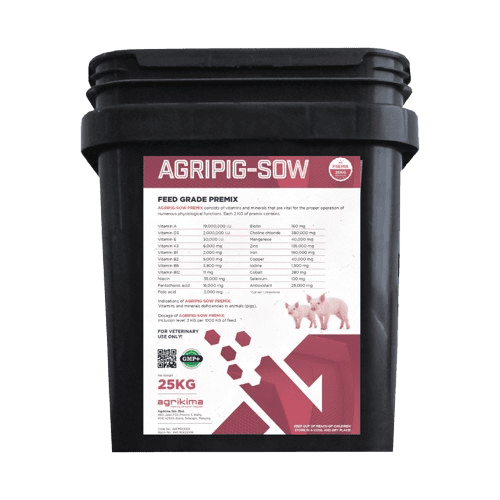
Using quality veterinary products and supplements can enhance the health of your pigs and, subsequently, the quality of pork produced. Consider integrating natural health solutions and feed additives into your piggery operations to optimize growth and health.
Conclusion
Smallholder pig slaughter and carcass handling is a complex yet rewarding process that can lead to profitable local sales. By adhering to hygiene practices, understanding the slaughter process, and complying with regulations, farmers can ensure a high-quality product that meets consumer demands.
Your message to the team
Sources: Read More
- Slaughtering and Butchering Pigs on the Farm — Penn State Extension
- Guidelines for Slaughtering, Meat Cutting and Further Processing — Food and Agriculture Organization (FAO)
- On-Farm Slaughter of Livestock — USDA Food Safety and Inspection Service
- Small-Scale Pig Slaughter — Purdue University Extension
- Hygienic Pig Slaughtering and Pork Processing — Food and Agriculture Organization (FAO)
- On-Farm Slaughter Guidelines — USDA Animal and Plant Health Inspection Service