Sourcing and Testing Raw Materials for Feed Quality
Understanding Feed Raw Material Sourcing
Feed raw material sourcing is a critical aspect of animal nutrition, directly influencing the health and productivity of livestock. By selecting the right ingredients, farmers can ensure their animals receive a balanced diet that meets their nutritional needs.
The Importance of Quality Raw Materials
Quality raw materials are essential for producing consistent feed quality. Poorly sourced ingredients can lead to nutritional imbalances and health issues in animals. According to the Food and Agriculture Organization (FAO), implementing quality control measures in feed manufacturing, including raw material inspection and testing, is essential to produce safe and effective animal feed.
Steps for Effective Sourcing
- Supplier Evaluation: Start by evaluating potential suppliers. Look for those with a proven track record of providing high-quality ingredients. Ask for references and check their quality assurance processes.
- Ingredient Specifications: Establish clear specifications for the raw materials you need. This includes nutritional content, moisture levels, and absence of contaminants.
- Local vs. Imported Ingredients: Consider sourcing local ingredients when possible. They are often fresher and can reduce transportation costs, which is beneficial for feed quality and your budget.
Testing Feed Ingredients
Once you have sourced your raw materials, the next step is rigorous testing. This process is crucial for ensuring that the ingredients meet your established specifications.
Key Testing Procedures
- Nutritional Analysis: Conduct a nutritional analysis of each ingredient to confirm it meets the required standards. This includes testing for protein, fat, fiber, and mineral content.
- Contaminant Testing: Regularly test for contaminants such as mycotoxins, aflatoxins, and pathogens. Ensuring the safety of feed ingredients is paramount for animal health.
- Moisture Content Testing: Test the moisture content of ingredients, as high moisture can lead to spoilage and reduced feed quality. Use moisture meters to obtain accurate readings.
Implementing Quality Control Programs
A comprehensive quality control program is vital for maintaining feed consistency. According to Kansas State University, a successful program includes supplier evaluation, ingredient testing, and consistent monitoring.
Establishing Quality Assurance Protocols
- Regular Audits: Conduct regular audits of your suppliers and their processes to ensure compliance with your quality standards.
- Documentation: Keep detailed records of all testing and sourcing activities. This documentation will be invaluable for troubleshooting any quality issues that arise.
- Training Staff: Ensure that all employees involved in feed production understand the importance of sourcing and testing. Providing training can enhance their ability to detect potential issues early.
Maintaining Consistent Feed Quality
To achieve consistent feed quality, it is essential to continuously monitor and improve your sourcing and testing processes. This ensures that your livestock receives the best nutrition possible, leading to better health and productivity.
Utilizing Technology
In today's agricultural environment, technology can significantly enhance the sourcing and testing of raw materials. Using software solutions for tracking ingredient quality and maintaining records can streamline your operations.
The Role of Veterinary Products
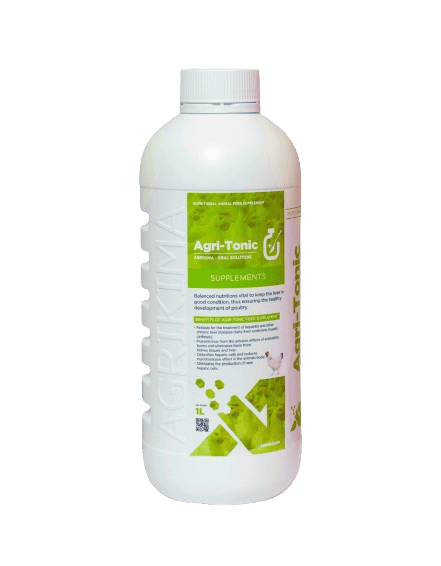
In conjunction with proper sourcing and testing, integrating quality veterinary products and supplements can further enhance animal health. These products can help address specific nutritional deficiencies and support overall well-being in livestock.
Conclusion
Effective sourcing and testing of raw materials are indispensable components of producing high-quality animal feed. By implementing rigorous quality control measures and utilizing local resources, farmers can ensure their livestock thrives. Remember, consistent feed quality is not just about what is included in the feed; it’s about the processes that ensure those ingredients are safe and nutritious.
Your message to the team
Sources: Read More
- Feed Ingredient Quality: Sourcing and Testing for Consistent Feed Quality — Purdue University Extension
- Quality Control in Feed Manufacturing — Food and Agriculture Organization (FAO)
- Feed Ingredient Quality Control Guide — Kansas State University Agricultural Experiment Station and Cooperative Extension Service
- Feed Quality Assurance Programs for Feed Mills — Iowa State University Extension and Outreach
- Feed Quality Control: Principles and Practices — USDA Agricultural Research Service
- Quality Assurance in Animal Feed Production — Food and Agriculture Organization (FAO)