Sow Feed Preparation for Pregnancy and Lactation
Introduction to Sow Feed Preparation
Preparing the right feed for pregnant and lactating sows is crucial for ensuring their health and the well-being of their piglets. Proper sow feed preparation during pregnancy and lactation directly impacts piglet production feed and overall pig reproduction. This guide will provide practical tips for formulating balanced diets for breeding sows.
Understanding Breeding Sow Nutrition
Breeding sow nutrition is essential to support the energy demands of pregnancy and lactation. Sows require a diet rich in:
- Energy: To meet the increased caloric needs during gestation and lactation.
- Protein: For fetal development and milk production.
- Vitamins and Minerals: To support overall health and reproductive performance.
Key Nutritional Components
When preparing sow feed, consider the following key components:
- Grains: Corn, barley, and wheat are excellent energy sources.
- Protein Sources: Soybean meal, canola meal, and fish meal provide essential amino acids.
- Fats: Adding vegetable oils can boost energy density.
- Vitamins: Ensure adequate levels of Vitamins A, D, and E.
- Minerals: Calcium, phosphorus, and zinc are crucial for bone development and immune function.
Formulating Sow Feed
Creating a balanced feed mix requires careful formulation. Follow these steps:
1. Determine Nutritional Requirements
Assess the stage of the sow's reproductive cycle:
- Pregnant Sows: Increase energy and protein intake during the last third of gestation.
- Lactating Sows: Provide high-energy and high-protein diets to support milk production.
2. Ingredient Selection
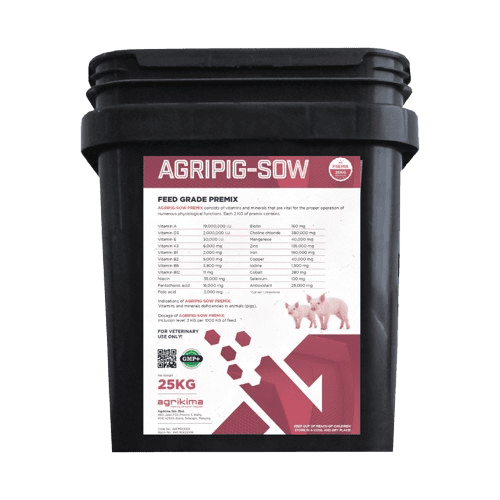
Select high-quality ingredients and avoid low-quality feedstuffs that may contain toxins or be nutritionally inadequate. Quality veterinary products and supplements can enhance the overall nutrition of the feed.
3. Create a Balanced Ration
Use a feed formulation calculator or consult with a livestock nutritionist to ensure the ration meets the sow's nutritional needs. A typical sow feed formulation might include:
- 60% Energy Sources
- 25% Protein Sources
- 10% Vitamins and Minerals
- 5% Fats
Feeding Strategies During Pregnancy
During pregnancy, feed sows in a way that promotes healthy fetal development:
- Frequent Feeding: Offer smaller, more frequent meals to improve nutrient absorption.
- Monitor Body Condition: Adjust feed based on body condition scores to prevent obesity or underconditioning.
Feeding Strategies During Lactation
During lactation, the sow's nutritional needs peak:
- Increase Feed Intake: Provide ad libitum access to feed to support high milk production.
- Hydration: Ensure fresh, clean water is available at all times, as water intake is crucial for milk production.
Common Challenges in Sow Feed Preparation
Farmers may face challenges in sow feed preparation, including:
- Ingredient Availability: Source local and seasonal ingredients to maintain a balanced diet.
- Cost Management: Monitor feed costs and adjust formulations to maintain profitability.
- Health Issues: Regularly check sows for signs of nutritional deficiencies or health problems that might require veterinary intervention.
Conclusion
Proper sow feed preparation for pregnancy and lactation is vital for the health of sows and the success of piglet production. By focusing on balanced nutrition and employing strategic feeding practices, farmers can enhance the reproductive performance of their sows and ensure healthier piglets. Utilizing quality veterinary products and supplements can further assist in achieving optimal results.