Mastering Sow Heat Detection for First Mating Success
Understanding Sow Heat Detection Timing
Successful pig breeding hinges significantly on the accurate detection of sow heat. Effective sow heat detection timing ensures that your sows are inseminated at the optimal moment, increasing the chances of pregnancy on the first mating. In this guide, we’ll explore key signs of estrus in sows, effective strategies for timing artificial insemination, and how to enhance your pig breeding success rate.
Signs of Sow Estrus
Recognizing the signs of estrus is vital for effective heat detection. Sows typically exhibit several behavioral and physical changes during this period, including:
- Lordosis Reflex: When pressure is applied to the back, sows will stand still and exhibit a characteristic arching of the back.
- Increased Vocalization: Sows may become more vocal during estrus, signaling their readiness to mate.
- Restlessness: Increased activity levels and restlessness are common as sows seek out boars.
- Swollen Vulva: Physical changes, including a swollen and reddened vulva, are often noticeable.
- Clear Mucous Discharge: A clear or slightly cloudy discharge can also be a sign of estrus.
Monitoring these signs closely will help you identify the right timing for artificial insemination.
Best Practices for Heat Detection
To maximize the chances of successful breeding, consider implementing the following heat detection strategies:
- Regular Observation: Daily checks, especially during the breeding season, are essential. Observing sows for estrus signs at least twice a day will allow you to catch the optimal timing.
- Use of Boars: Introducing a mature boar can stimulate estrus behaviors in sows, making it easier to identify those in heat.
- Record Keeping: Maintain accurate records of estrus cycles, insemination dates, and outcomes to identify patterns and improve future breeding strategies.
- Technology Aids: Consider using heat detection technologies such as sensors and monitoring systems that can alert you when a sow is in heat.
Timing for Artificial Insemination
Timing is critical when it comes to artificial insemination. The best time to inseminate a sow is typically 12-24 hours after the onset of estrus. Here’s how to optimize this timing:
- Inseminate Early: Aim to inseminate on the first day of observed heat, as this increases the chances of successful fertilization.
- Monitor for Repeat Heat: If a sow fails to conceive after the first insemination, monitor for repeat estrus signs, which generally occur about 21 days later.
- Quality Semen: Ensure that you are using high-quality, viable semen for insemination. This is crucial for enhancing the pig breeding success rate.
Enhancing Sows’ Health for Better Breeding Outcomes
Healthy sows are more likely to conceive successfully. Here are some tips to enhance their health:
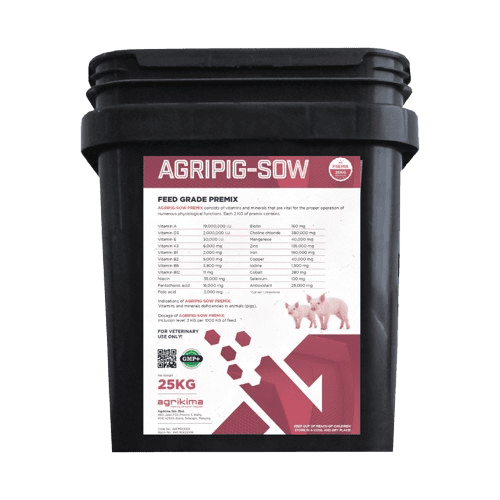
- Nutritional Support: Ensure that sows receive a balanced diet rich in vitamins and minerals. Quality veterinary supplements can help support reproductive health.
- Stress Management: Minimize stressors in the environment, as stress can negatively affect estrus cycles and overall fertility.
- Veterinary Care: Regular veterinary check-ups can help identify and treat any health issues that could impact breeding.
Conclusion
Mastering sow heat detection timing is vital for achieving successful pig breeding outcomes. By recognizing the signs of sow estrus, implementing effective heat detection strategies, and ensuring the overall health of your sows, you can significantly increase the chances of getting your sows pregnant on the first mating. Remember, the right timing combined with quality veterinary products and supplements can lead to improvements in your pig breeding success rate.