Spotting Adulterated Fishmeal and Protein Cakes
Introduction
As a farmer, ensuring the quality of your animal feed is crucial for optimal livestock health and productivity. One of the most commonly used protein sources is fishmeal, which is often adulterated with lower-quality materials. In this guide, we will explore how to spot adulterated fishmeal and protein cakes before you make a purchase.
Why Fishmeal Quality Matters
Fishmeal is prized for its high protein content and essential fatty acids, making it an excellent supplement in both livestock and aquaculture feeds. However, the quality of fishmeal can vary significantly due to adulteration, which not only decreases its nutritional value but can also harm your animals.
Common Adulterants in Fishmeal
Adulterated fishmeal may contain:
- Poor quality proteins, such as feather meal
- Dried poultry manure
- Non-protein nitrogenous compounds, like urea-formaldehyde
- Non-nutritive diluents, such as sand
Understanding these common adulterants can help you make informed decisions when sourcing fishmeal.
Identifying Adulterated Fishmeal
Visual Inspection
A simple way to start assessing fishmeal quality is by conducting a visual inspection. Look for the following:
- Color: High-quality fishmeal should have a uniform color, usually a deep reddish-brown. If you notice a pale color or inconsistencies, it may indicate adulteration.
- Texture: Good fishmeal should feel fine and powdery. If it feels gritty or has a rough texture, it could be contaminated with sand or other adulterants.
Water Test for Sand Adulteration
One effective method to test for sand adulteration is the water test. Here’s how to do it:
- Take a sample of the fishmeal and place it in a bucket of water.
- Stir the mixture thoroughly.
- Let it settle for a few minutes, then feel the bottom of the bucket.
If the bottom feels rough or stony, it indicates the presence of sand, confirming adulteration.
Smell Test
Another practical tip is to use your sense of smell. Fresh fishmeal should have a pleasant, marine scent. A foul or off odor may suggest deterioration or contamination, making it a red flag for adulteration.
Microscopic Examination
If you have access to a microscope, you can conduct a more in-depth analysis. Microscopic methods can effectively identify fishmeal fragments and distinguish them from non-fish sources, such as terrestrial animal materials.
Testing Techniques for Assurance
Advanced Detection Methods
For higher accuracy in detecting adulterated fishmeal, consider advanced testing techniques:
- Hyperspectral Imaging: This method utilizes machine learning algorithms to achieve high classification accuracy in identifying pure fishmeal versus adulterated samples.
- Visible-NIR Reflectance Spectroscopy: This technique can detect various adulterants, ensuring that your feed meets quality standards.
Monitoring Nutritional Value
Regular monitoring of the nutritional value of your feed components is essential. By doing so, you can detect serious adulteration, which often occurs between primary outlets and retail shops.
Importance of Quality Protein Cakes
Just like fishmeal, protein cakes are crucial for livestock nutrition. Ensuring the quality of protein cakes is equally important as adulteration can lead to poor animal health and reduced productivity.
Identifying Quality Protein Cakes
When assessing protein cakes, look for:
- Uniformity in texture and color
- Absence of foreign materials, such as mold or insects
- A pleasant aroma indicative of freshness
Conclusion
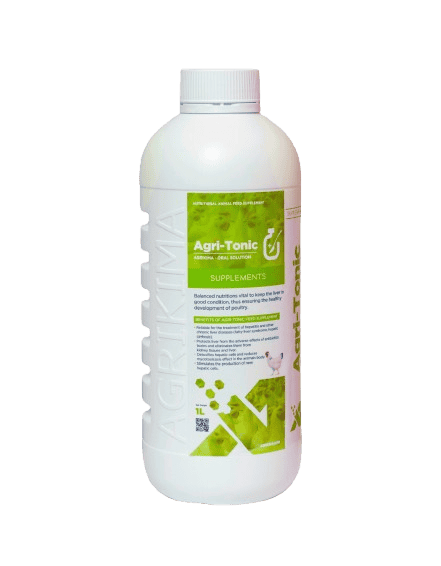
Spotting adulterated fishmeal and protein cakes before you pay is an essential skill for any farmer. By employing visual inspections, water tests, and advanced detection methods, you can ensure that you are providing the best nutrition for your livestock. Remember, the quality of your feed directly impacts the health and productivity of your animals, making it worth the effort to verify before purchase. Consider using quality veterinary products and supplements from trusted suppliers like Agrikima to enhance your livestock's health further.
Your message to the team
Sources: Read More
- The production of fish meal and oil – The products (FAO Technical Bulletin) — FAO
- Rapid and nondestructive detection of marine fishmeal adulteration by hyperspectral imaging and machine learning — Spectrochimica Acta Part A: Molecular and Biomolecular Spectroscopy (Elsevier)
- Use of Discriminant Analysis on Visible and near Infrared Reflectance Spectra to Detect Adulteration of Fishmeal with Meat and Bone Meal — Journal of Near Infrared Spectroscopy (SAGE)
- Microscopic recognition and identification of fish meal in compound feeds — Wageningen University & Research (via PubMed)
- Monitoring the nutritional value of feed components for aquaculture along the supply chain – an East African case study — Livestock Research for Rural Development
- Good manufacturing practices and quality assurance handbook for small‑ and medium‑sized feed mills in Uganda — CGIAR / Feed Quality Handbook (Uganda)