Steam Conditioning: Key Factors for High-Quality Pellets
Understanding Steam Conditioning in Pellet Mills
Steam conditioning is a crucial step in the pellet production process, especially for livestock and poultry feed. It enhances the overall quality of the pellets, ensuring they are nutritious and palatable for the animals. In this article, we will delve into the three key factors: temperature, moisture, and time that significantly influence the quality of the pellets produced in a steam conditioning pellet mill.
The Importance of Temperature in Conditioning
The conditioner temperature feed plays a vital role in how effectively the ingredients are mixed and cooked. The right temperature can:
- Enhance gelatinization of starches
- Improve protein solubility
- Reduce the risk of pathogenic microorganisms
Generally, the optimal temperature range for steam conditioning is between 70°C and 85°C (158°F to 185°F). However, different feed formulations may require slight adjustments. It's essential to monitor the temperature closely to avoid overheating, which can lead to nutrient degradation.
Tips for Maintaining Optimal Temperature
- Use calibrated thermometers to ensure accurate readings.
- Regularly check the steam source for consistency in heat supply.
- Adjust steam levels based on the feed ingredients used.
Moisture Content: A Balancing Act
Another critical factor in the steam conditioning process is pellet mill moisture. Proper moisture levels help in:
- Improving pellet binding
- Enhancing nutrient absorption
- Facilitating uniform heat distribution
Typically, the moisture content should be maintained between 14% and 17% during conditioning. Too much moisture can lead to sticky pellets, while too little can result in dry, crumbly pellets.
How to Manage Moisture Levels
- Incorporate moisture-rich ingredients, such as molasses or vegetable oils, as needed.
- Utilize moisture meters to monitor feed before and during conditioning.
- Consider adding steam in short bursts to achieve desired moisture levels without oversaturation.
Retention Time: Ensuring Adequate Processing
The retention time conditioner is the duration for which the feed remains in the conditioning chamber. This time is crucial for allowing the steam to fully penetrate the feed and activate the starches and proteins. The ideal retention time usually ranges from 30 to 120 seconds, depending on the feed type.
Best Practices for Managing Retention Time
- Adjust the feed rate to control the time feed spends in the conditioner.
- Regularly inspect the conditioner for blockages that may affect flow rates.
- Experiment with different retention times for various formulations to find the sweet spot for your specific feed.
Combining the Three Factors for Optimal Pellet Quality
For the best results, farmers must balance temperature, moisture, and retention time. Each factor interrelates; for example, higher temperatures may require lower moisture levels to prevent overheating. Monitoring and adjusting these parameters can significantly enhance pellet quality.
Practical Example
Consider a scenario where you are conditioning a high-protein feed. Start with a temperature of 75°C, maintain moisture around 15%, and set a retention time of 60 seconds. With these settings, you can achieve a balanced, high-quality pellet that maximizes nutrition for your livestock.
Why Quality Matters
High-quality pellets not only improve animal health but also lead to better feed conversion ratios and overall productivity. Farmers investing in quality steam conditioning processes reap the benefits in terms of growth rates and reduced feed costs.
The Role of Veterinary Products and Supplements
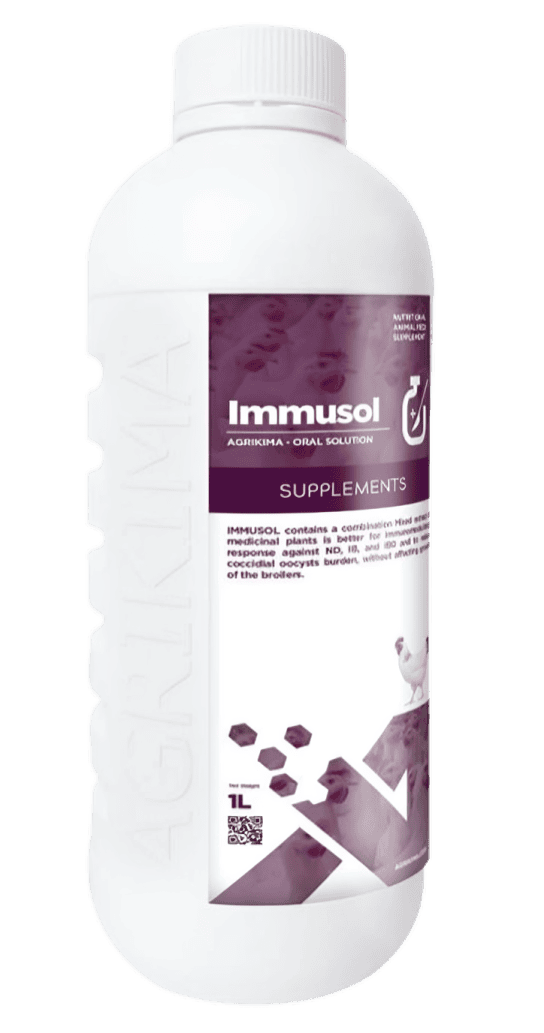
In addition to optimizing the steam conditioning process, incorporating quality veterinary products and supplements can further enhance the nutritional value of your feed. These products can help address specific health needs of livestock, ensuring they receive a well-rounded diet.
Conclusion
Understanding the key factors of steam conditioning—temperature, moisture, and retention time—empowers farmers to produce high-quality pellets that meet the nutritional needs of their livestock. By applying these principles and utilizing supportive veterinary products, farmers can enhance the efficiency and effectiveness of their feeding practices.