How to Stop Hens From Eating Their Own Eggs
Understanding the Problem of Hens Eating Eggs
Egg eating is a common issue that many poultry farmers face, and it can lead to significant economic losses. Once hens develop this habit, it becomes extremely difficult to break. Therefore, implementing egg eating prevention strategies is essential for maintaining a productive flock.
Reasons Why Hens Start Eating Eggs
Before we delve into solutions, it's important to understand the reasons why hens may start eating their own eggs. Some common causes include:
- Accidental breakage of eggs, leading to curiosity and subsequent egg eating.
- Stressful environments that can trigger abnormal behaviors.
- Poor nutrition, which can lead hens to seek additional food sources.
Effective Strategies to Stop Hens From Eating Eggs
Here are some practical tips to help you stop hens from eating their own eggs:
1. Create a Calm Environment
Reducing stress in your flock is crucial. Ensure that your hens have a quiet and safe space to lay their eggs. Minimize traffic around the nesting area to prevent disturbances that may stress the birds.
2. Provide Adequate Nutrition
Make sure your hens receive a balanced diet rich in protein. Layer diets should contain at least 14% protein, with many farmers opting for 16% to ensure optimal egg production and health. By meeting their nutritional needs, you can reduce the urge for hens to seek out other food sources, including their eggs.
3. Implement Rollaway Nest Boxes
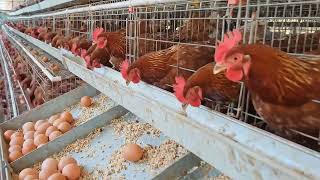
Using rollaway nest boxes can be an effective way to prevent hens from eating their eggs. These specially designed boxes allow eggs to roll away from the hens once laid, making it more difficult for them to access and eat them. This method not only helps in egg eating prevention but also keeps the eggs cleaner.
4. Monitor and Reduce Broken Eggs
Broken eggs can trigger a vicious cycle of egg eating. To minimize this, ensure that the nesting boxes are comfortable and that the hens have enough space. You can also try placing rubber or fake eggs in the nests to discourage pecking at real eggs.
5. Keep the Nesting Area Clean
A clean nesting area reduces the chances of hens being attracted to broken or dirty eggs. Regularly clean the nesting boxes and the surrounding area to maintain hygiene and discourage undesirable behaviors.
6. Isolate Problematic Hens
If certain hens are identified as persistent egg eaters, consider isolating them from the rest of the flock. This separation can help prevent the habit from spreading to other hens and may give the problematic bird a chance to break the habit without the influence of others.
7. Provide Distractions
Providing your hens with plenty of distractions can also help reduce their focus on egg eating. Regularly introduce new toys, foraging opportunities, or treat balls filled with grains to keep them occupied and engaged. This can lead to a more content flock and help reduce stress-related behaviors.
8. Regular Health Checks
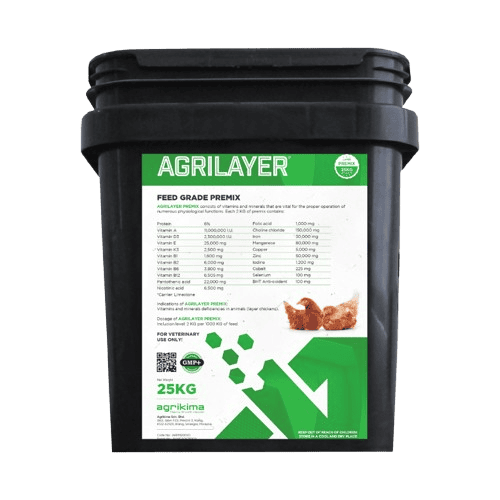
Ensure that your hens are healthy by conducting regular health checks. Hens that are sick or in distress may be more likely to develop stress-related behaviors, including egg eating. Quality veterinary products and supplements can play a key role in maintaining the overall health of your flock.
Conclusion
Addressing the issue of hens eating eggs requires a proactive approach that combines proper management practices with an understanding of hen behavior. By creating a calm environment, offering a balanced diet, using rollaway nest boxes, and maintaining cleanliness, you can effectively prevent this habit from taking root in your flock. Remember, prevention is always easier than trying to stop an established behavior, so implement these strategies early for the best results.
Your message to the team
Sources: Read More
- Prevention of egg eating in chickens — The Poultry Site
- EGG EATING BY CHICKENS IN SMALL AND BACKYARD FLOCKS — Small and backyard poultry
- Backyard Flock Tip: Egg Laying Behavior — The Poultry Site
- RAISING CHICKENS FOR EGG PRODUCTION — Small and backyard poultry
- FEEDING CHICKENS FOR EGG PRODUCTION IN SMALL AND BACKYARD FLOCKS — Small and backyard poultry