Toll Milling and Custom Mixing: Boost Your Farm's Efficiency
Understanding Toll Milling and Custom Mixing
Toll milling and custom mixing refer to services that allow farmers to have their feed ground and mixed according to specific requirements. This approach is becoming increasingly popular among livestock producers as it offers flexibility and tailored solutions to meet the nutritional needs of their animals. With the rise of bulk custom-mix feed, farmers can enjoy improved feed efficiency and reduced waste, ultimately enhancing their operation's profitability.
The Benefits of Toll Milling
Toll milling provides several advantages for farmers:
- Cost-Efficiency: By outsourcing milling tasks, farmers can reduce operational costs associated with maintaining their milling facilities.
- Quality Control: Professional toll milling services often come with quality assurance, ensuring that the feed produced meets specific nutritional standards.
- Flexibility: Farmers can specify their feed requirements based on the nutritional needs of their livestock, allowing for customized feed formulations.
- Time Savings: Outsourcing milling operations frees up time for farmers, allowing them to focus on other essential aspects of their business.
Custom Mixing Services Tailored to Your Needs
Custom mixing services allow farmers to create unique feed blends based on their livestock's needs. This is particularly crucial for various livestock types, including dairy, poultry, and swine. Custom mixing ensures that the right balance of nutrients is provided, which can lead to better growth rates and overall animal health.
Understanding Custom Formula Feed
Custom formula feed is defined as any commercial feed that is manufactured according to specifications agreed upon by the purchaser's nutritionist and the manufacturer. This means that a farmer can work with a nutritionist to develop a feed that specifically meets the dietary needs of their animals, which can vary greatly depending on the type of livestock and their production stage.
Integrating Toll Milling and Custom Mixing into Your Operation
Implementing toll milling and custom mixing into your farming operation can be straightforward with the right approach:
1. Evaluate Your Feed Needs
Start by assessing the specific dietary requirements of your livestock. Consider factors such as age, production stage, and any specific health concerns. This evaluation will help inform your custom mixing decisions.
2. Choose the Right Service Provider
When selecting a toll milling or custom mixing service, look for providers that have experience in your type of livestock. They should be able to offer insights into the best feed formulations based on current research and practices. Check their credentials and customer reviews to ensure quality service.
3. Discuss Custom Mix Formulations
Engage with your chosen service provider to discuss your specific needs. Provide them with the information gathered during your evaluation, and work collaboratively to develop a custom feed mix that meets your requirements. This may involve discussions about the types of grains, supplements, and additives that should be included in the mix.
4. Monitor Feed Performance
After implementing your custom feed, monitor the performance of your livestock closely. Look for improvements in growth rates, milk production, and overall health. Be prepared to make adjustments to the feed formulation as needed to optimize results.
Generating Extra Revenue Through Custom Mixing
Offering custom mixing services can also be a significant revenue stream for feed mills. By catering to local farmers' unique needs, mills can differentiate themselves in a competitive market. A study highlighted that larger mills benefit from economies of scale, allowing them to offer competitive pricing for custom mixing and toll milling services.
Marketing Your Toll Milling and Custom Mixing Services
To attract more customers, consider the following marketing strategies:
- Educate Your Customers: Provide information on the benefits of custom mixing and toll milling through workshops, social media, and newsletters.
- Showcase Success Stories: Share testimonials and case studies from satisfied farmers who have benefited from your services.
- Network with Local Farmers: Build relationships with the farming community to better understand their needs and how your services can help them.
Conclusion
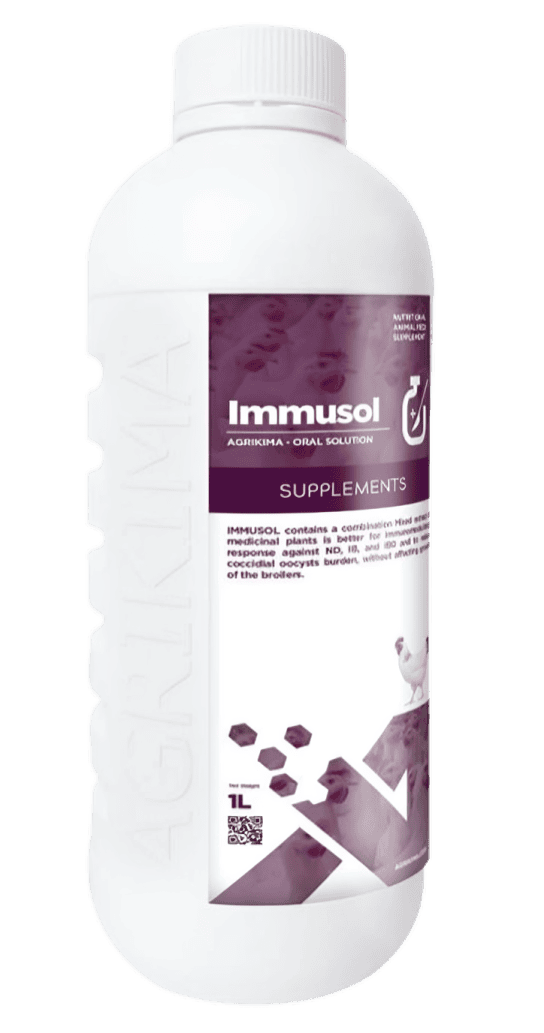
Offering toll milling and custom mixing as a service not only enhances the efficiency of livestock feed production but also provides an avenue for additional income generation for feed mills. By investing in quality feed solutions tailored to the specific needs of your livestock, you can improve overall farm productivity and profitability. Additionally, incorporating high-quality veterinary products and supplements can further enhance the health and performance of your animals.
By adopting these practices, farmers can stay competitive in an ever-evolving agricultural landscape, ensuring their operations thrive in the long run.
Your message to the team
Sources: Read More
- Custom Grinding and Mixing (USDA Rural Development report) — USDA Rural Development (Cooperative Information Report)
- Custom Work Charges in Maryland and Delaware 2023 — University of Maryland Extension / University of Delaware Cooperative Extension
- Feed Mill – Missouri Agricultural Experiment Station — University of Missouri Agricultural Experiment Station
- Custom Formula Feed — California Department of Food and Agriculture — California Department of Food and Agriculture (CDFA)
- Custom Mix Feed Milling in Nebraska: Economies of Size and Plant Utilization — University of Nebraska–Lincoln (thesis)