Transition Cow Management: Essential Calving Care

Understanding Transition Cow Management
Transition cow management is crucial for ensuring the health and productivity of dairy cows during the critical period of 21 days before and after calving. This phase is characterized by significant physiological changes as the cow prepares for lactation. Proper management during this period can reduce the risk of metabolic disorders and promote better milk production. In this article, we will explore key aspects of managing close up dry cows and fresh cow care, focusing on pre and post calving nutrition.
The Importance of the Transition Period
The transition period is often considered the most important time in a dairy cow's life. During these 21 days, cows face the challenge of adapting to the demands of lactation while maintaining their health. Poor management during this time can lead to:
- Increased incidence of diseases such as ketosis and milk fever
- Lower milk yield in the early lactation period
- Prolonged days open and lower reproductive efficiency
Effective transition cow management can help mitigate these risks and improve overall herd performance.
Pre-Calving Nutrition: Supporting Close Up Dry Cows
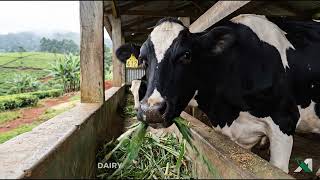
Proper nutrition for close up dry cows is essential to prepare them for calving and subsequent lactation. Here are some key considerations:
- Balanced Diet: Ensure that the diet is balanced with the right levels of energy, protein, vitamins, and minerals. This can help reduce the risk of metabolic disorders.
- High-Quality Forage: Provide high-quality forage to stimulate rumen function and prepare the cow for the increased intake needed during lactation.
- Transition Rations: Consider using a transition ration that gradually introduces concentrates to the diet in the weeks leading up to calving.
- Monitor Body Condition Score (BCS): Maintain an optimal BCS (around 3.0-3.5) leading up to calving to ensure the cow has sufficient energy reserves for lactation.
Using quality veterinary products and nutritional supplements can further enhance the health of close up dry cows, preparing them for a successful calving.
Calving Management: Ensuring a Smooth Transition
As the calving date approaches, proper management can make a significant difference:
- Calving Environment: Ensure a clean, dry, and comfortable calving area to reduce stress and the risk of infections.
- Monitoring: Closely monitor the cow for signs of calving and be prepared to assist if necessary. This includes having clean towels and necessary veterinary supplies on hand.
- Post-Calving Care: After calving, ensure that the calf receives colostrum within the first few hours to boost its immunity.
Post-Calving Nutrition: Caring for Fresh Cows
Fresh cow care is critical for setting the stage for high milk production. Here’s how to manage nutrition effectively:
- Energy Density: Increase the energy density of the diet to meet the high energy demands of milk production. This can be done through the inclusion of high-quality grains and fats.
- Protein Requirements: Ensure that protein levels are sufficient to support milk production. Consider using protein supplements if natural feed sources are inadequate.
- Water Access: Provide ample access to fresh, clean water as cows in lactation require significantly more water than dry cows.
- Gradual Diet Changes: Avoid abrupt changes in the diet to prevent digestive upsets. Introduce new feeds gradually.
Utilizing veterinary nutritional supplements during this stage can also help enhance recovery and support optimal production levels.
Monitoring and Evaluating Transition Cow Management
Regular monitoring is key to effective transition cow management. Keep track of:
- Health Metrics: Regularly check for signs of metabolic disorders, monitor milk production, and assess overall cow health.
- Feeding Practices: Evaluate the effectiveness of feeding strategies and make adjustments as necessary based on cow performance and health outcomes.
- Body Condition Score: Continuously monitor BCS to ensure cows maintain optimal condition throughout the transition period.
Implementing a structured transition cow management program can significantly impact the productivity and profitability of your dairy operation. By focusing on quality pre and post calving nutrition, farmers can ensure the health and well-being of their cows, leading to a successful lactation period.
Conclusion
Transition cow management is a vital component of dairy farming. By paying attention to the nutritional needs and overall care of cows during the 21 days before and after calving, farmers can enhance milk production, reduce health risks, and improve herd efficiency. Investing in quality veterinary products and nutritional supplements is essential for achieving these goals. Always remember, a healthy cow is a productive cow!