Treating Caseous Lymphadenitis Abscesses in Goats
Understanding Caseous Lymphadenitis in Goats
Caseous lymphadenitis (CLA) is a chronic disease caused by the bacterium Corynebacterium pseudotuberculosis. This infection leads to the formation of abscesses in the lymph nodes and can also affect internal organs. It is a significant concern for goat farmers due to its contagious nature and the economic losses associated with affected herds.
Signs and Symptoms of CLA in Goats
Goats suffering from caseous lymphadenitis commonly display the following symptoms:
- Swelling of lymph nodes, particularly around the jaw and throat.
- Foul-smelling discharge from abscesses.
- Weight loss and poor body condition.
- Reduced milk production in lactating does.
Early recognition of these signs is crucial for effective goat abscess treatment and management of the disease.
Treatment Options for Caseous Lymphadenitis Abscesses
Treating caseous lymphadenitis in goats involves a multi-step approach, primarily focusing on surgical intervention and supportive care.
Surgical Drainage
The primary method for treating CLA abscesses is through surgical drainage. This involves:
- Administering local anesthesia to the goat.
- Carefully incising the abscess to allow for drainage of the pus.
- Flushing the cavity with antiseptic solutions to reduce bacterial load.
It is important to ensure that the procedure is performed in a sterile environment to minimize the risk of further infection.
Antibiotic Therapy
Following surgical drainage, systemic antibiotic therapy is recommended to help control the bacterial infection. Consult with a veterinarian to select an appropriate antibiotic based on susceptibility patterns. This can help in preventing the spread of the infection to other goats in the herd.
Supportive Care
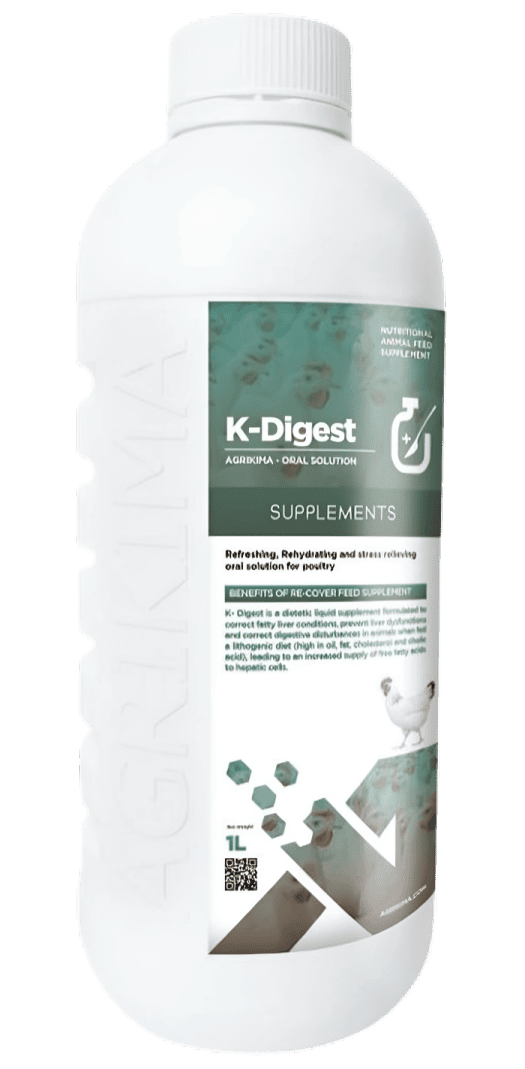
In addition to surgical and antibiotic treatments, providing quality veterinary products and supplements can enhance recovery. Nutritional support, including high-quality feed and specific supplements, can help boost the immune system of affected goats. Regular monitoring and care will ensure that the goat recovers fully and returns to good health.
Preventing Caseous Lymphadenitis in Your Herd
While treatment is essential, prevention is crucial in managing caseous lymphadenitis in goats. Implementing stringent biosecurity measures can significantly reduce the incidence of CLA.
Biosecurity Measures
- Cull infected animals promptly to prevent the spread of the disease within the herd.
- Isolate new animals before introducing them to the herd to ensure they are free from CLA.
- Maintain a closed herd where possible to limit exposure to external pathogens.
Vaccination
Vaccinating susceptible goats can also help reduce the incidence of caseous lymphadenitis. Speak with a veterinarian about the availability of vaccines for CLA and the best vaccination schedule for your herd.
Conclusion
Caseous lymphadenitis is a manageable condition if treated promptly and effectively. By combining surgical intervention, antibiotic therapy, and supportive care, you can help your goats recover from CLA. Furthermore, implementing preventive measures will not only protect your herd but also safeguard your livelihood. Always consult with a veterinarian for tailored advice and consider using quality veterinary products to enhance the health of your goats.
Your message to the team
Sources: Read More
- Caseous Lymphadenitis in Goats — Purdue University Extension
- Caseous Lymphadenitis in Small Ruminants — USDA Animal and Plant Health Inspection Service
- Caseous Lymphadenitis in Goats — Alabama Cooperative Extension System
- Caseous Lymphadenitis in Goats and Sheep — Farm Progress
- Caseous Lymphadenitis in Goats — UC Davis School of Veterinary Medicine