Turning Poultry Litter into Profitable Manure
Introduction to Poultry Litter Manure
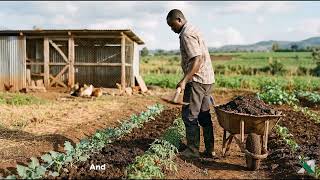
Poultry litter is an excellent source of nutrients for plants, making it a valuable resource for farmers. By converting poultry litter into manure that can be sold, farmers can create an additional income stream while also promoting sustainable agricultural practices. This process involves composting and proper management techniques that enhance the quality of the litter.
Understanding Poultry Litter
Poultry litter typically consists of chicken manure mixed with bedding materials such as straw, sawdust, or wood shavings. This mixture not only provides nutrients but also enhances soil structure. However, before it can be sold as fertilizer, it must be processed properly.
The Benefits of Selling Poultry Manure
- Additional Income: Selling poultry litter manure provides farmers with an extra revenue source.
- Environmental Benefits: Utilizing poultry litter as fertilizer reduces waste and enhances soil health.
- Market Demand: There is a growing market for organic fertilizers, making poultry litter an attractive option.
Composting Poultry Litter
One of the most effective ways to process poultry litter is through composting. This method not only stabilizes the manure but also eliminates pathogens and odors, resulting in a product that is safe and suitable for sale as fertilizer.
Steps for Effective Chicken Manure Composting
- Collect the Litter: Gather fresh poultry litter from the coop, ensuring it includes bedding materials.
- Choose a Composting Method: Decide between aerobic (using oxygen) or anaerobic (without oxygen) composting based on available space and resources.
- Mix Ingredients: Combine poultry litter with carbon-rich materials like straw or leaves to balance the nitrogen content.
- Monitor Conditions: Keep the compost pile moist and aerated. Turn the pile regularly to maintain temperature and facilitate decomposition.
- Check for Maturity: After several weeks, the compost should be dark, crumbly, and have an earthy smell, indicating it is ready for use and sale.
Proper composting techniques can reduce pathogens significantly, making the final product safer for agricultural use.
Marketing Your Poultry Litter Manure
Once the poultry litter is composted and ready for sale, the next step is marketing it effectively. Here are some practical tips:
Identifying Your Target Market
- Local Farmers: Reach out to nearby farmers who may be looking for organic fertilizers.
- Garden Centers: Partner with local garden centers that sell organic gardening supplies.
- Farmers' Markets: Set up a stall at local markets to sell directly to consumers.
Packaging and Presentation
How you package your poultry litter manure can significantly influence sales. Consider the following:
- Use Durable Bags: Invest in quality bags that can hold moisture and protect the manure.
- Label Clearly: Include information about the product’s benefits and usage instructions to attract buyers.
- Branding: Create a brand that emphasizes the organic and sustainable nature of your poultry litter manure.
Proper Management of Poultry Litter
Effective management of poultry litter is crucial for enhancing its value as a marketable fertilizer. Here are some key practices:
Storage Techniques
- Dry Storage: Store poultry litter in a dry, covered area to prevent nutrient loss and odor.
- Aeration: Ensure proper airflow to avoid anaerobic conditions, which can lead to unpleasant odors and nutrient degradation.
Testing for Nutrient Content
Before selling your poultry litter manure, consider conducting a nutrient analysis to determine its composition. This can help you market your product more effectively by highlighting its nutrient benefits, such as nitrogen, phosphorus, and potassium levels.
Conclusion
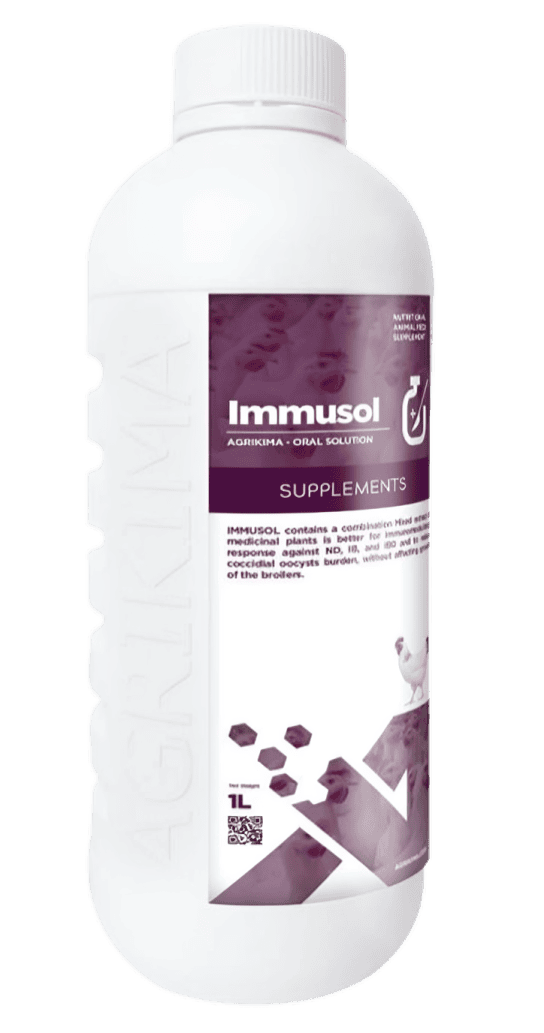
Turning poultry litter into sellable manure is a practical, profitable endeavor for farmers. By following proper composting methods and implementing effective management and marketing strategies, you can create a high-quality product that meets the growing demand for organic fertilizers. Quality veterinary products and supplements can further enhance your poultry's health, leading to better litter quality. Start transforming your poultry litter today and reap the rewards of this sustainable practice.
Your message to the team
Sources: Read More
- Poultry Litter: Alternative Fertilizer Uses — USDA Agricultural Research Service
- Composting Poultry Litter — Penn State Extension
- Poultry Manure Management and Utilization — Food and Agriculture Organization of the United Nations
- Poultry Litter Management — USDA Natural Resources Conservation Service
- Poultry Litter as Fertilizer — University of Georgia Extension