Understanding Feed Quality Control and Testing Standards
Introduction to Feed Quality Control
Feed quality control is a vital aspect of livestock management that ensures animals receive safe, nutritious, and high-quality feed. Proper feed quality control helps prevent health issues, enhances growth rates, and improves overall productivity in livestock farming. In this guide, we'll delve into the importance of feed quality control, the standards that govern it, and the testing measures that help ensure compliance.
Why is Feed Quality Control Important?
Quality control in feed production is crucial for several reasons:
- Animal Health: High-quality feed minimizes the risk of disease and promotes better health among livestock.
- Productivity: Properly formulated feed improves growth rates and production, leading to higher yields of milk, meat, and eggs.
- Economic Efficiency: Investing in quality feed can reduce veterinary costs and increase profit margins.
Key Feed Standards Compliance
Compliance with feed standards is essential for maintaining the safety and nutritional value of animal feed. Various organizations set regulations that govern feed quality. Some key standards include:
- AFIA and AAFCO Standards: These organizations provide guidelines on ingredient safety and labeling, ensuring that feeds meet certain nutritional standards.
- FDA Regulations: The Food and Drug Administration monitors the safety of animal feed, setting limits on harmful substances.
- ISO Standards: The International Organization for Standardization provides frameworks to ensure quality management in feed production.
Feed Testing Laboratory: Ensuring Quality Through Testing
Utilizing a feed testing laboratory is crucial for verifying the quality and safety of animal feed. These laboratories conduct various tests to ensure compliance with feed quality control standards. Here are some essential tests performed:
- Proximate Analysis Feed: This test determines the nutritional composition of the feed, including moisture, protein, fat, fiber, and ash content. Understanding these components helps farmers formulate balanced rations for their livestock.
- Aflatoxin Testing Feed: Aflatoxins are toxic compounds produced by mold that can contaminate feed. Regular testing for aflatoxins helps prevent livestock health issues and ensures feed safety.
- Microbial Testing: Testing for harmful bacteria and pathogens is essential for ensuring feed safety and preventing outbreaks of disease caused by contaminated feed.
Implementing Feed Quality Control Measures
Farmers can implement several measures to maintain high feed quality:
- Source Quality Ingredients: Always choose high-quality raw materials from reputable suppliers. This step is critical for ensuring that the feed produced meets quality standards.
- Regular Testing: Schedule routine testing of feed samples to check for nutritional content and contaminants. This will help maintain consistency in feed quality.
- Record Keeping: Maintain detailed records of feed formulations, testing results, and supplier information to ensure traceability and accountability.
The Role of Veterinary Products in Feed Quality
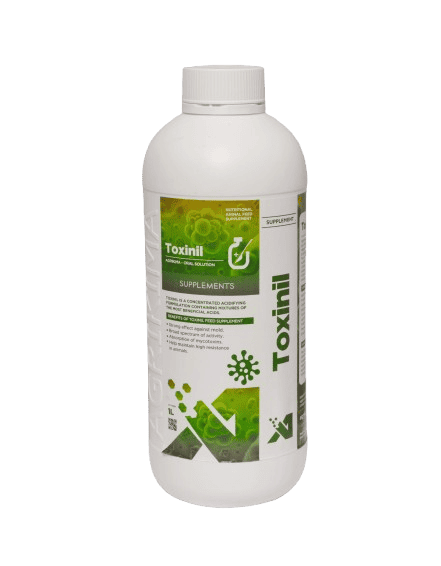
Quality veterinary products and supplements can enhance feed quality and animal health. Here are a few ways they contribute:
- Enhancing Nutritional Value: Certain supplements can improve the nutritional profile of feed, ensuring animals get essential vitamins and minerals.
- Promoting Digestive Health: Probiotics and prebiotics added to feed can improve gut health and nutrient absorption in animals.
- Preventing Diseases: The use of quality veterinary products can help prevent diseases that may arise from poor feed quality.
Conclusion
Feed quality control is an indispensable part of successful livestock farming. By adhering to testing standards and utilizing a feed testing laboratory, farmers can ensure they provide safe, nutritious feed to their animals. Implementing effective feed quality control measures and using quality veterinary products will ultimately lead to healthier livestock and increased profitability in your farming operation.