Understanding Maximum Residue Limits (MRLs) in Animal Products
What Are Maximum Residue Limits (MRLs)?
Maximum Residue Limits (MRLs) refer to the highest level of a pesticide residue or veterinary drug that is legally permitted in food products, particularly in meat and milk. These limits are crucial for ensuring the safety of food for consumers and are established by various health and regulatory organizations globally.
The Importance of MRLs
MRLs play a vital role in maintaining food safety. They are designed to protect consumers from potential health risks associated with drug residues in animal products. The establishment of MRLs is based on scientific evaluations, ensuring that the levels set are safe for human consumption. According to the Food and Agriculture Organization (FAO), these limits are determined by the Joint FAO/WHO Expert Committee on Food Additives (JECFA) which evaluates the safety and efficacy of veterinary drugs used in food-producing animals.
How Are MRLs Determined?
The determination of MRLs involves a thorough assessment of various factors, including:
- Scientific Evidence: Studies and data on the toxicity and effects of drug residues on human health are analyzed.
- Residue Levels: Investigations into how much of a drug remains in animal products after treatment are conducted.
- Consumption Patterns: The amount of meat and milk consumed by the population is taken into account to ensure safety levels are appropriate.
This process ensures that the MRLs set are both safe and practical for maintaining food quality and safety.
MRL Compliance: Why It Matters
Compliance with MRLs is essential for farmers and producers. Failing to adhere to these limits can result in serious consequences, including:
- Legal penalties and fines
- Loss of market access or product recalls
- Damage to reputation and consumer trust
To avoid these issues, livestock producers should implement best practices to ensure MRL compliance. This includes thorough record keeping of veterinary drug use and understanding withdrawal periods for each medication used.
Residue Testing in Livestock
Residue testing is a significant measure for ensuring compliance with MRLs. Regular testing helps identify any drug residues that may exceed the established limits. The U.S. Food and Drug Administration (FDA) emphasizes that residue testing should be an integral part of livestock management to maintain food safety and compliance.
Steps for Effective Residue Testing
- Schedule Regular Testing: Set up a routine testing schedule to monitor residues in meat and milk.
- Use Approved Methods: Employ validated testing methods that comply with regulatory standards.
- Document Results: Keep detailed records of testing results to demonstrate compliance.
By following these steps, farmers can actively reduce the risk of non-compliance and ensure that their products are safe for consumers.
Common Veterinary Drugs and Their MRLs
Various veterinary drugs are commonly used in livestock production, and each has its specific MRLs. Some of the frequently used drugs include:
- Antibiotics: Used to treat infections and prevent disease.
- Hormones: Employed to promote growth or regulate reproductive cycles.
- Pesticides: Utilized for parasite control in livestock.
Each of these drugs has an established MRL, and it is critical for farmers to be aware of these limits to prevent drug residues from exceeding permissible levels.
Practical Tips for Farmers
Here are some actionable tips for livestock producers to ensure compliance with MRLs:
- Educate Yourself: Stay informed about the veterinary drugs used in your livestock and their associated MRLs.
- Implement Withdrawal Periods: Always adhere to the recommended withdrawal periods before slaughtering animals or milking.
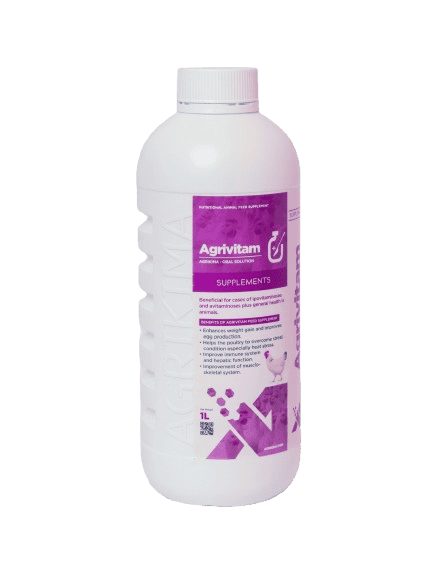
- Utilize Quality Veterinary Products: Choose veterinary products and supplements that are certified and known for their safety and compliance.
- Consult with Professionals: Work with veterinarians and agricultural advisors to develop a comprehensive health management plan.
By applying these practices, farmers can contribute to food safety and enhance the quality of their animal products.
Conclusion
Understanding Maximum Residue Limits (MRLs) in animal products is essential for ensuring food safety and maintaining consumer trust. By complying with MRLs, conducting regular residue testing, and using quality veterinary solutions, livestock producers can safeguard their products and promote a healthier food supply.
Your message to the team
Sources: Read More
- Maximum Residue Limits (MRLs) for Veterinary Drugs in Foods — Food and Agriculture Organization of the United Nations (FAO)
- Understanding Maximum Residue Limits (MRLs) in Meat and Milk — Penn State Extension
- Residue Testing in Livestock: Ensuring Compliance with MRLs — U.S. Food and Drug Administration (FDA)
- Maximum Residue Limits (MRLs) and Their Role in Food Safety — National Center for Biotechnology Information (NCBI)
- MRL Compliance in Livestock Production: Best Practices — Australian Government Department of Agriculture, Fisheries and Forestry