Unlocking Feed Value with Enzymes for Livestock
Introduction to Feed Enzymes
In the quest for maximizing livestock productivity, farmers are increasingly turning to feed enzymes as a solution. These specialized additives help unlock more value from feed ingredients, enhancing nutrient availability and improving overall animal health. This article explores the role of exogenous enzymes in feed, particularly focusing on phytase, and how they can improve feed digestibility.
What Are Feed Enzymes?
Feed enzymes are biological catalysts that facilitate the breakdown of complex feed components into simpler, more digestible forms. They help in improving the utilization of feed ingredients, leading to better growth rates and feed efficiency in livestock. The most commonly used feed enzymes include:
- Phytase: This enzyme breaks down phytic acid, improving phosphorus digestibility, which is crucial for bone development and overall health.
- Carbohydrases: These enzymes aid in breaking down non-starch polysaccharides, enhancing energy availability in the diet.
- Proteases: They assist in protein digestion, making amino acids more accessible for absorption.
Benefits of Using Feed Enzymes
1. Improved Feed Digestibility
The primary advantage of incorporating feed enzymes into livestock diets is the significant improvement in feed digestibility. For instance, studies have shown that phytase supplementation can enhance phosphorus digestibility, resulting in better bone mineralization in piglets and other livestock. This means animals can extract more nutrients from the same amount of feed, leading to cost savings and better performance.
2. Enhanced Growth Performance
By utilizing feed enzymes, farmers can experience improved growth rates in their livestock. Research indicates that exogenous enzymes can lead to a 7% increase in growth performance, particularly when phytase is included in the diet. This is especially beneficial during critical growth phases, ensuring animals reach market weight faster.
3. Reduction in Feed Costs
Using feed enzymes can translate into reduced feed costs. Since these enzymes allow for better nutrient utilization, farmers may find themselves requiring less feed over time to achieve the same or better growth outcomes. This is particularly advantageous in periods of high feed prices.
4. Decreased Environmental Impact
Improved digestibility also means that livestock can excrete less undigested feed, resulting in lower nutrient runoff into the environment. By using phytase, for example, phosphorus excretion can be minimized, helping to meet environmental regulations and contributing to sustainable farming practices.
Implementing Feed Enzymes in Your Feeding Program
1. Assess Your Current Feed Ingredients
Before integrating enzymes, evaluate the nutritional profile of your current feed ingredients. Understanding the composition can help you identify which enzymes would provide the most benefit. For instance, if your feed contains high levels of phytic acid, incorporating phytase could be particularly advantageous.
2. Choose the Right Enzyme Products
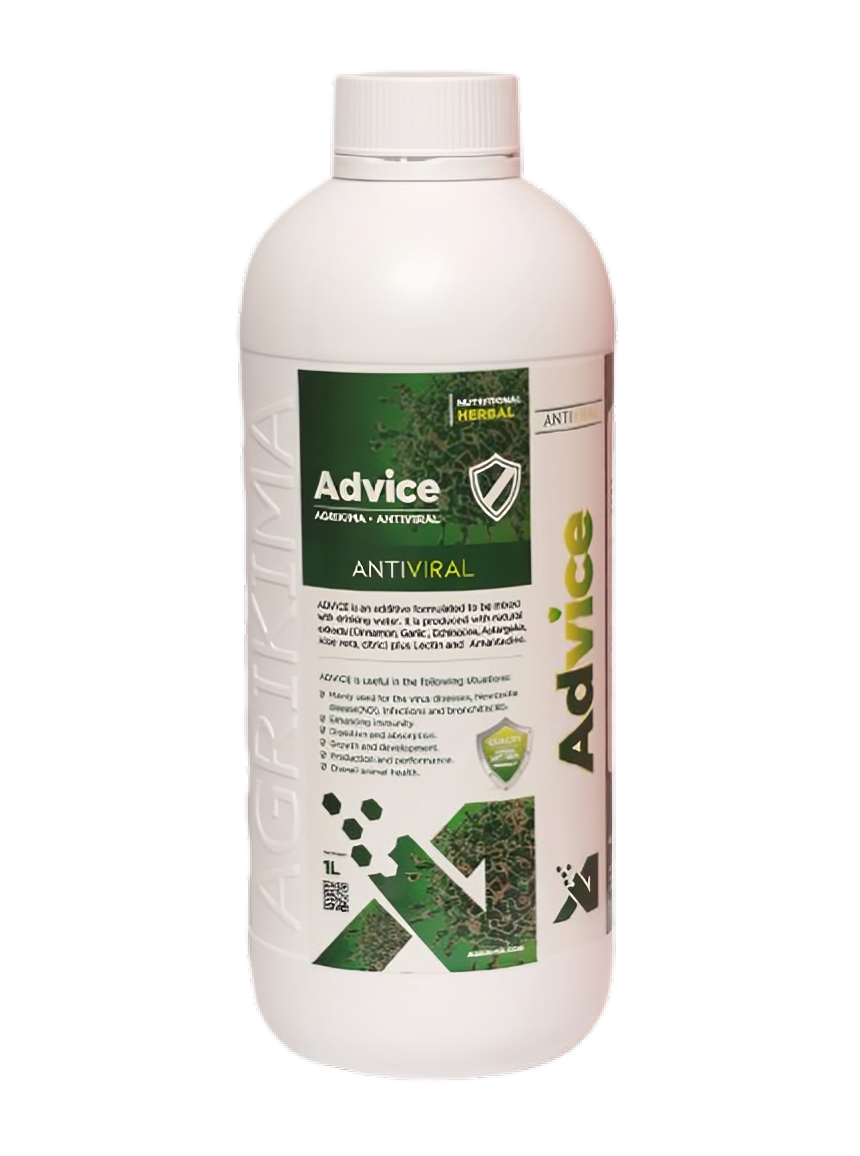
When selecting feed enzymes, look for products that are specifically formulated for your livestock type, whether it's poultry, pigs, or ruminants. Agrikima offers a range of high-quality veterinary products and supplements that can help enhance your feed efficiency.
3. Monitor Livestock Performance
After implementing feed enzymes, closely monitor your livestock’s performance metrics. Keep track of growth rates, feed conversion ratios, and overall health. This data will help you assess the effectiveness of the enzymes you are using and make adjustments if necessary.
4. Consult with Experts
Consulting with a nutritionist or veterinarian can provide valuable insights into optimizing your feeding program. They can recommend specific enzyme combinations based on your livestock's needs and the types of feed available.
Conclusion
Incorporating feed enzymes into livestock diets represents a forward-thinking approach to animal nutrition. By unlocking more value from feed ingredients, farmers can enhance digestibility, improve growth performance, and reduce costs. As the industry continues to evolve, utilizing such innovative solutions is essential for maintaining competitiveness and sustainability in agriculture.
Your message to the team
Sources: Read More
- Effect of exogenous enzymes (phytase and xylanase) supplementation on nutrient digestibility and growth performance of Nile tilapia (Oreochromis niloticus) fed different quality diets — ScienceDirect
- Effect of feed enzymes on digestibility and growth in weaned pigs: A systematic review and meta-analysis — ScienceDirect
- A systematic-review on the role of exogenous enzymes on the productive performance at weaning, growing and finishing in pigs — ScienceDirect
- Dietary supplementation of exogenous carbohydrase enzymes in fish nutrition: A review — ScienceDirect
- Feed enzymes: The science, practice, and metabolic realities — ScienceDirect
- Exogenous Enzymes as Zootechnical Additives in Animal Feed: A Review — MDPI