Using Urea Safely in Dairy Meal: Tips and Risks
Understanding Urea in Dairy Feed
Urea is a non-protein nitrogen source that can be effectively used in dairy meal formulation to enhance protein availability for ruminants. When used correctly, urea can help replace some of the more expensive sources of protein, reducing overall feed costs for dairy farmers.
Inclusion Rates of Urea
When incorporating urea into dairy feed, it is crucial to adhere to recommended inclusion rates to ensure animal safety and health. The general guidelines state that:
- Urea should not exceed 1% of the total diet for grain-based rations.
- In concentrate mixtures, inclusion rates can be higher, up to 3%, but such mixes must be pelleted to maintain palatability.
- For dairy cattle, it is recommended to use between 1.0% to 2.0% urea in concentrate mixtures containing 12% to 20% crude protein.
Mixing Urea Safely
Proper mixing is essential when it comes to incorporating urea into dairy meals. Here are some practical tips to achieve effective mixing:
- Thorough Mixing: Ensure that urea is mixed uniformly with other feed ingredients to avoid hotspots of high urea concentration that could lead to toxicity.
- Energy Source: Always provide an energy source, such as grain or molasses, alongside urea to facilitate its safe utilization within the rumen.
- Gradual Introduction: Introduce urea into the diet gradually, especially for new diets, to allow the rumen microbes to adjust.
- Avoid Wetting: Urea is hygroscopic, meaning it absorbs moisture. Avoid wetting urea supplements, as this can lead to clumping and uneven distribution.
Risks of Urea Poisoning
While urea can be a beneficial additive, improper use can lead to urea poisoning in cattle. Understanding the signs and preventive measures is crucial:
- Signs of Poisoning: Symptoms of urea poisoning may include rapid breathing, staggering, and in severe cases, sudden death due to ammonia toxicity. If cattle are found dead near urea supplements, poisoning should be suspected.
- Maximum Levels: Never allow more than one-third of the diet’s crude protein to come from urea. This helps prevent the risk of toxicity.
- Monitor Intake: Regularly check that cattle are consuming their feed and not avoiding it, which could indicate a problem with the urea levels or mixing.
Conclusion
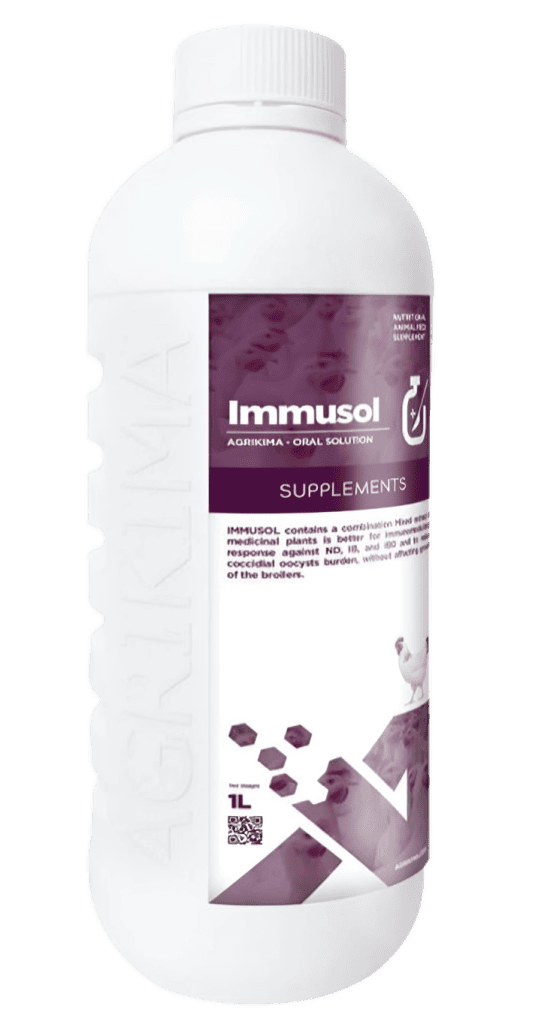
Using urea in dairy feed can be a cost-effective strategy when implemented with caution. Farmers must adhere to inclusion rates, ensure proper mixing, and be vigilant about the risks of urea poisoning. By following these guidelines, dairy producers can enhance their feeding strategies while safeguarding their livestock's health. For additional support, consider quality veterinary products and supplements that can help ensure the nutritional needs of your dairy herd are met effectively.
Your message to the team
Sources: Read More
- NONPROTEIN NITROGEN IN THE NUTRITION OF RUMINANTS — Food and Agriculture Organization (FAO)
- Protein in Beef Cattle Diets (Extension publication) — Mississippi State University Extension Service
- Diet Supplements for Livestock — Mississippi State University Extension Service
- Considerations of Urea Use in Cattle Rations — South Dakota State University Extension
- Urea Poisoning in Cattle — Northern Territory Government (Australia)
- BEEF CATTLE HEALTH AND HUSBANDRY (Urea poisoning section) — NSW Department of Primary Industries (Australia)