Vaccinating Against Enterotoxaemia in Sheep and Goats
Understanding Enterotoxaemia
Enterotoxaemia, commonly known as pulpy kidney disease or overeating disease, is a serious condition affecting sheep and goats, caused by the bacterium Clostridium perfringens type D. This disease can lead to sudden death, making it crucial for farmers to understand its prevention through vaccination.
The Importance of Vaccination
Vaccination is the cornerstone of preventing enterotoxaemia in small ruminants. The effectiveness of the enterotoxaemia vaccine for sheep and goats cannot be overstated, as it significantly reduces the risk of infection and subsequent fatalities. According to veterinary guidelines, administering the vaccine is essential for maintaining herd health.
How Vaccination Works
The clostridial vaccine works by stimulating the immune system to recognize and combat the toxins produced by Clostridium perfringens. By introducing a harmless component of the bacteria into the animal's body, the immune system can develop a defense mechanism against future infections.
Recommended Vaccination Schedule
To achieve optimal protection against pulpy kidney disease, adhere to the following vaccination schedule:
- Initial Vaccination: Administer the first dose at 6 to 8 weeks of age.
- Booster Shots: Administer annual boosters thereafter to maintain immunity.
- Pregnant Ewes and Does: Vaccinate 2 to 4 weeks before lambing or kidding to pass immunity to the offspring.
Consulting with a Veterinarian
Always consult with a veterinarian to determine the best vaccination protocol tailored to your herd's specific needs. They can help identify the right products and schedules based on your farm's conditions and animal health history.
Signs of Enterotoxaemia
Recognizing the signs of enterotoxaemia early can save lives. Common symptoms include:
- Sudden death without prior symptoms
- Depression and lethargy
- Neurological signs such as circling or incoordination
- Diarrhea and abdominal distension
If you notice any of these signs, seek veterinary help immediately, as prompt treatment can be critical.
Additional Prevention Strategies
In addition to vaccination, consider the following strategies to minimize the risk of enterotoxaemia:
- Monitor Diet: Avoid sudden changes in feed, especially high-energy feeds, which can contribute to overeating disease.
- Manage Feeding Practices: Implement controlled feeding schedules to prevent excessive consumption.
- Provide Clean Water: Ensure that sheep and goats have access to clean, fresh water at all times to aid digestion.
Choosing Quality Veterinary Products
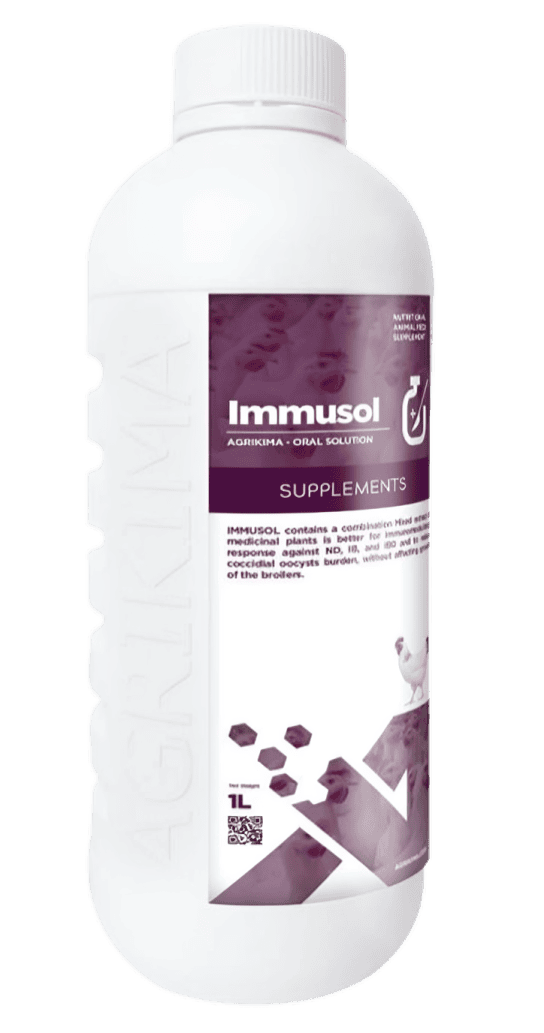
Investing in quality veterinary products and supplements can bolster your herd's health and immune response. Agrikima offers a range of natural animal health solutions that can complement your vaccination program and boost overall animal vitality.
Conclusion
Vaccinating against enterotoxaemia is a vital practice for sheep and goat farmers. By following a proper vaccination schedule and implementing sound management practices, you can safeguard your flock from pulpy kidney disease. Stay vigilant, consult with your veterinarian, and ensure your animals are well cared for to mitigate the risks associated with this dangerous condition.
Your message to the team
Sources: Read More
- Enterotoxemia (Overeating Disease, Pulpy Kidney) in Sheep and Goats — Merck Veterinary Manual
- Enterotoxemia in Sheep and Goats — Purdue University Extension
- Clostridial Diseases in Small Ruminants — USDA Animal and Plant Health Inspection Service
- Enterotoxemia (Pulpy Kidney) in Sheep — New South Wales Department of Primary Industries
- Clostridial Diseases of Sheep — Sheep 101
- Enterotoxemia in Goats — Penn State Extension