Vitamin Loss in Storage: Why Older Feed Underperforms
Understanding Vitamin Degradation in Stored Feed
As farmers, ensuring the health and productivity of your livestock is paramount. One often overlooked aspect is the stability of vitamins in animal feed. Vitamin degradation stored feed can lead to significant underperformance in livestock, impacting growth, milk production, and overall health.
What Causes Vitamin Degradation?
Vitamins are sensitive to various factors, including time, temperature, humidity, and light exposure. Over time, vitamins in feed can break down into inactive forms, rendering them less effective or completely ineffective. For instance, research shows that during 12 months of storage, concentrations of essential vitamins like A, E, and K₃ can decline significantly, with vitamin A dropping to just 39% of its original content under poor conditions.
The Impact of Storage Conditions
The conditions in which feed is stored play a critical role in vitamin stability. Storing feed in a cool, dry, and dark environment can help preserve vitamin potency. However, high temperatures and humidity accelerate degradation rates. Vitamin A and D₃, for example, are stable for only up to 30 days under elevated temperatures and high humidity. This can lead to increased feed potency loss, affecting livestock health.
How Long Can Vitamins Last in Feed?
The shelf life of vitamin-trace mineral premixes is generally between 3 to 6 months, while vitamin-only premixes can last up to 12 months when stored correctly. However, typical losses for vitamins A and E can be between 1-3% per month under ideal conditions, and up to 10% per month in hot, humid environments. This highlights the importance of moving feed quickly from production to use.
Consequences of Vitamin Loss
When vitamins degrade, livestock can exhibit a range of health issues. Some immediate consequences include:
- Reduced growth rates in young animals
- Lower milk production in dairy cows
- Increased susceptibility to diseases
- Overall reduced feed efficiency
Understanding these consequences can help farmers realize the importance of proper feed storage and the need to monitor vitamin stability.
Vitamin Stability and Premix Formulations
The formulation of vitamin premixes can also influence their stability. Combinations with choline chloride and inorganic trace minerals can accelerate potency losses. It is advisable to choose organic sources of trace minerals, as they tend to exhibit less degradation compared to sulfates.
Practical Tips for Preserving Vitamin Content
To maintain the effectiveness of vitamins in stored feed, consider these practical tips:
- Store Feed Properly: Keep feed in a cool, dry, and dark place to minimize degradation. Avoid exposure to sunlight and humidity.
- Use Quality Premixes: Opt for high-quality vitamin and mineral premixes that are designed for stability. A reputable supplier will provide information on the expected shelf life and storage conditions.
- Rotate Inventory: Use older stock first to ensure that feed is consumed within its shelf life. Implement a first-in, first-out (FIFO) system for managing feed storage.
- Regularly Monitor Conditions: Check storage conditions regularly to ensure the environment remains optimal for preserving feed quality.
- Consider Additives: Utilizing feed additives that enhance nutrient absorption can help counteract some losses due to vitamin degradation.
Addressing Feed Potency Loss with Agrikima Products
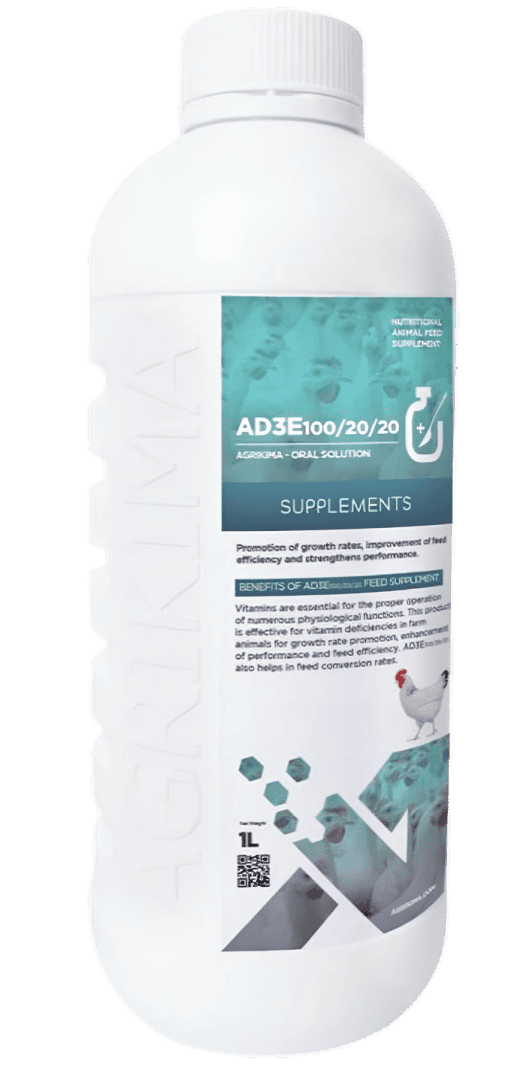
At Agrikima, we understand the challenges farmers face concerning feed quality and vitamin degradation. Our range of natural animal health solutions, supplements, and feed additives are designed to support your livestock's health and productivity. By incorporating these high-quality products, you can help mitigate the effects of vitamin loss and ensure your animals receive the nutrition they need.
Conclusion
Vitamin degradation in stored feed can lead to significant underperformance in livestock. By understanding the factors that contribute to vitamin loss and implementing effective storage practices, you can enhance the quality and effectiveness of your feed. Prioritizing the stability of vitamins not only improves livestock health but also boosts overall farm productivity. Start today by assessing your feed storage methods and consider the benefits of quality veterinary products from Agrikima.
Your message to the team
Sources: Read More
- Stability of vitamins in premixes — Animal Feed Science and Technology (Elsevier)
- Vitamin stability | K‑State — Kansas State University Extension
- Degradation kinetics of vitamins in premixes for pig: effects of choline, high concentrations of copper and zinc, and storage time — Animal Bioscience (open‑access, peer‑reviewed)
- Premix Storage & Shelf Life: Vitamin Loss — FeedMatch Group (agricultural reference)
- Impact of storage conditions and premix type on fat‑soluble vitamin stability — Translational Animal Science (Oxford Academic)
- DERANGEMENTS IN VITAMIN NUTRITION — Food and Agriculture Organization (FAO)