Water Requirements for Cattle in Arid Regions

Understanding Cattle Water Requirements
Water is a vital nutrient for cattle, crucial for their health and productivity. In arid and semi-arid regions, where water is often scarce, understanding the cattle water requirements is essential for successful livestock management. Cattle’s water needs can vary based on several factors, including their weight, diet, and environmental conditions.
Daily Water Needs
On average, a mature cow requires about 10 gallons of water daily, but this can increase significantly depending on various factors. For instance, lactating cows may need between 20 to 24 gallons each day to maintain milk production. Similarly, pregnant cows require approximately 15 gallons of water during the last three months of gestation to support fetal development and their own health.
Factors Influencing Water Requirements
- Weight: Heavier cattle require more water than lighter animals.
- Diet: Cattle on dry feed diets will need more water than those consuming high-moisture feeds like fresh grass.
- Temperature: Hot weather increases water consumption as cattle work to regulate their body temperature.
- Activity Level: More active cattle will drink more water to replenish lost fluids.
Water Quality in Arid Conditions
Beyond quantity, the quality of water available to cattle is equally important. Poor water quality, often characterized by high levels of nitrates, sulfates, or blue-green algae, can lead to serious health issues, including toxicity and dehydration. Therefore, it’s essential to regularly assess and ensure the quality of water sources.
Assessing Water Quality
Farmers should routinely test water sources for contaminants. Key indicators to monitor include:
- pH levels
- Nitrate and sulfate concentrations
- Presence of blue-green algae
Utilizing veterinary products that improve water quality can also help maintain a safe drinking supply for cattle.
Strategies for Effective Water Management
In arid and semi-arid areas, effective water management is essential to meet livestock water arid needs. Here are practical strategies:
1. Create Accessible Water Sources
Ensure that water sources are easily accessible for all cattle. This may involve:
- Installing water troughs at strategic locations, especially in large pastures.
- Using solar-powered pumps to bring water from deeper sources.
2. Monitor Consumption Patterns
Keep track of how much water your cattle consume. This can indicate their health status and help you make necessary adjustments. If consumption drops unexpectedly, it may signal health issues or poor water quality.
3. Use Salt and Mineral Supplements
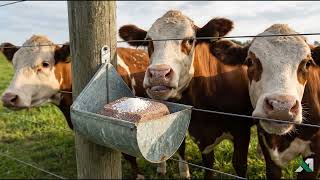
Salt and mineral supplements can attract cattle to water sources, encouraging them to drink more. Be cautious in their use, as excessive salt can lead to dehydration. Proper distribution is key to ensuring that all cattle have access.
4. Implement Rotational Grazing
Practicing rotational grazing can help manage pasture quality and water availability. When cattle are rotated to different pastures, they can access new water sources and reduce pressure on a single water point, allowing for better overall health and hydration.
5. Plan for Drought Conditions
With climate change leading to more frequent droughts, have contingency plans in place. This may include:
- Identifying alternative water sources such as wells or tanks.
- Implementing water conservation techniques.
Conclusion
Understanding and managing cattle water requirements in arid and semi-arid areas is crucial for maintaining the health and productivity of your herd. By ensuring both the quantity and quality of water, and implementing effective management strategies, farmers can support their livestock through challenging conditions. Investing in quality veterinary products and supplements can further enhance cattle health and performance.
For optimal cattle health management, consider Agrikima’s range of natural animal health solutions and supplements designed to support hydration and overall well-being.
Your message to the team
Sources: Read More
- How much water do cattle need and what water problems should cattle producers watch for? — University of Nebraska-Lincoln Extension
- Assessing Water Quality for Livestock Under Drought Conditions — University of California, Davis
- Water Requirements for Beef Cattle — University of Nebraska-Lincoln Extension
- Manipulating cattle distribution with salt and water in large arid-land pastures: a GPS/GIS assessment — ScienceDirect
- Cattle grazing in semiarid forestlands: Habitat selection during periods of drought — US Forest Service Research and Development
- Environmental factors influencing cattle's water consumption at offstream watering points in rangeland beef cattle — ScienceDirect