Weaning Chicks Off Heat Without Stunting Growth
Introduction
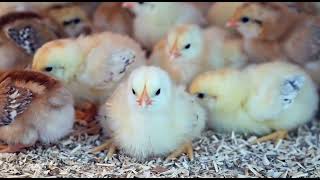
Weaning chicks off heat is a crucial phase in poultry rearing. Done correctly, it allows chicks to develop their natural hardiness without stunting their growth. This guide will explore effective strategies to transition chicks from the warmth of the brooder to a more natural environment.
Understanding Chick Brooder Transition
The brooder is where chicks spend their initial weeks, benefiting from controlled heat and protection. As they grow, it's essential to introduce them to ambient temperatures gradually. Here are key steps to ensure a smooth transition:
1. Monitor Brooder Temperature
Initially, the temperature in the brooder should be around 95°F (35°C) for the first week. Gradually reduce the temperature by about 5°F (2.5°C) each week until it reaches about 70°F (21°C). This gradual reduction helps chicks acclimatize without stress.
2. Observe Chick Behavior
Chick behavior can indicate whether they are comfortable. If they huddle under the heat source, the temperature may be too low. Conversely, if they are panting or staying away from the heat, it may be too hot. Adjust the temperature based on their behavior.
3. Create a Warm Zone
Even as you reduce the overall temperature, maintain a warm zone where chicks can retreat if they feel cold. This allows them to self-regulate their body temperature effectively.
Reducing Brooder Temperature Effectively
Reducing the brooder temperature should be a gradual process. Here are practical tips:
- Use a thermometer: A reliable thermometer helps ensure accurate temperature readings.
- Adjust heat sources: Use heat lamps or heating plates that allow for easy adjustments in temperature.
- Space management: Space out the chicks in the brooder to avoid competition for warmth.
Chick Growth Management
Proper management during the weaning phase is vital for optimal growth. Here are some strategies to support chick health and growth:
1. Nutrition
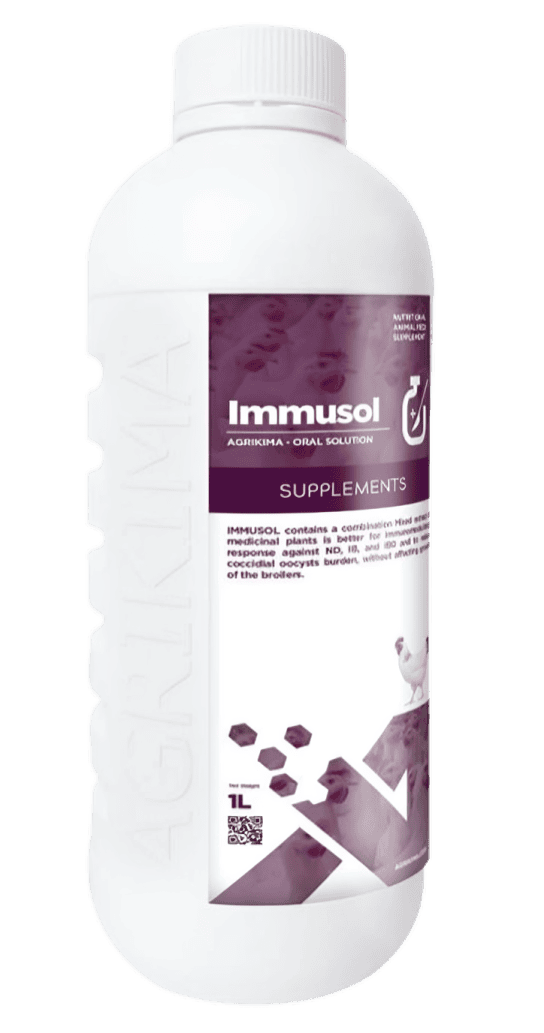
Provide a balanced diet rich in protein, vitamins, and minerals. High-quality starter feed formulated for chicks is crucial during this growth phase. Supplements can also be beneficial to ensure they receive necessary nutrients.
2. Access to Fresh Water
Ensure that chicks have constant access to clean, fresh water. Hydration is critical for their growth and overall health.
3. Gradual Outdoor Introduction
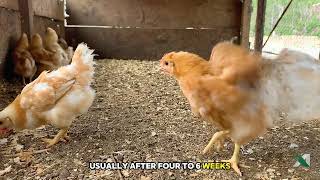
Once the chicks are about three weeks old, begin to introduce them to outdoor environments. Start with short sessions in a protected area. Gradually increase their time outside as they adapt to varying temperatures and conditions.
4. Maintain Hygiene
Keep the brooder clean to prevent disease outbreaks. Regularly change bedding and clean feeders and waterers. This proactive approach minimizes stress and promotes healthy growth.
Signs of Successful Weaning
Monitoring the chicks after the transition is essential. Look for the following signs of successful weaning:
- Active and curious behavior
- Even growth rates across the flock
- Healthy feather development
- Good appetite and hydration levels
Utilizing Veterinary Products
Quality veterinary products can play a significant role in supporting chick health during the weaning phase. Consider the following:
- Probiotics: These can enhance digestion and nutrient absorption.
- Vitamins and minerals: Supplements can help prevent deficiencies during this critical growth phase.
- Stress-relief products: Formulations designed to reduce stress can improve overall well-being during transitions.
Conclusion
Weaning chicks off heat is a delicate process that requires careful attention to temperature, nutrition, and overall management. By implementing gradual temperature reductions and closely monitoring chick behavior, you can ensure a smooth transition that supports healthy growth. Incorporating quality veterinary products can further enhance their development and resilience. With these strategies in place, your flock will thrive as they move toward adult life.