Weevils, Rats, and Fumigation: Effective Pest Control
Understanding Feed Warehouse Pest Control
Pest control in feed warehouses is crucial for maintaining the quality of stored grains and ensuring the health of livestock. Common pests like weevils and rodents can cause significant damage to feed supplies, leading to financial losses for farmers. Therefore, implementing effective pest management strategies is essential.
Identifying Common Pests: Weevils and Rats
Weevils are small beetles that infest grains, often causing significant storage losses. They can reproduce quickly, and their presence can indicate poor storage conditions. On the other hand, rats are not only destructive but can also carry diseases that threaten livestock health.
Weevils in Grain Store
Weevils can enter grain stores through contaminated grain or packaging. Once inside, they lay eggs, leading to rapid population growth. Farmers should regularly inspect grain stores for signs of infestation, which include:
- Visible adult weevils or larvae
- Holes in grain packaging
- Dust or webbing in storage areas
Maintaining cleanliness and proper storage conditions can help prevent weevil infestations.
Rodent Control in Feed Mills
Rodents can cause extensive damage by gnawing on packaging, contaminating feed with droppings, and even causing fires by chewing on electrical wires. To control rodents, feed mill managers should:
- Seal all entry points to the storage area
- Maintain a strict sanitation schedule to eliminate food sources
- Use traps and baits as part of an integrated pest management strategy
Regular inspections and prompt action against any signs of rodent activity are essential to prevent infestations.
Fumigation: A Key Pest Control Method
Fumigation is an effective method for controlling pests in grain storage. It involves the use of gases that penetrate stored grains to eliminate pests without leaving harmful residues. One of the most common fumigants is phosphine, which is effective against weevils and rodents.
Grain Fumigation Safety
While fumigation is highly effective, it poses risks due to the toxicity of the gases involved. Therefore, it must be conducted by trained personnel in gas-tight enclosures to prevent leakage and ensure safety for workers and livestock. Key safety measures include:
- Monitoring gas levels with appropriate detectors
- Ensuring proper ventilation during and after fumigation
- Training staff on safety procedures and emergency responses
Fumigation should only be performed according to established guidelines to minimize risks.
Best Practices for Fumigation
To achieve effective results with fumigation, consider the following best practices:
- Ensure the storage facility is tightly sealed to prevent gas escape.
- Correct any moisture issues in the grain before fumigation, as high moisture can hinder effectiveness.
- Consult with pest control professionals to determine the appropriate dosage and duration for treatment.
- Follow up with inspections after fumigation to assess the effectiveness and check for any remaining pests.
Using fumigation in conjunction with other pest control measures can enhance effectiveness and reduce the likelihood of pest resistance.
Preventive Measures for Long-Term Pest Control
Preventing pest infestations requires a proactive approach. Here are some essential strategies for maintaining a pest-free feed warehouse:
- Implement stringent sanitation practices, regularly cleaning storage areas and equipment to eliminate food sources for pests.
- Conduct regular inspections to detect any signs of pests early and take immediate action.
- Utilize physical barriers such as traps, screens, and sealed containers to deter pests from accessing stored grains.
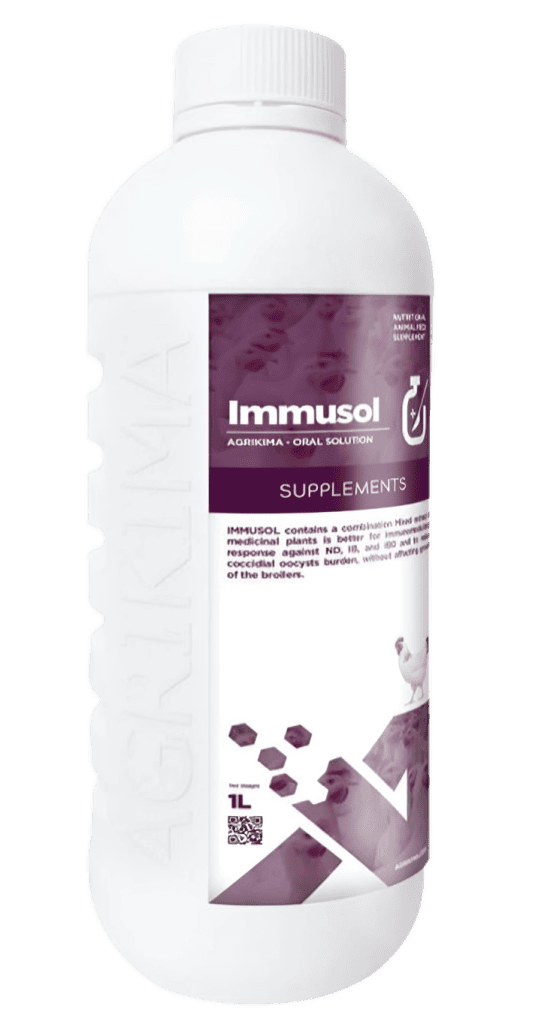
- Consider using natural pest deterrents or quality veterinary products and supplements that can help boost the overall health of livestock, making them less susceptible to diseases carried by pests.
By integrating these strategies, farmers can effectively manage pests in their feed warehouses, safeguarding their grain supplies and ensuring the health of their livestock.
Conclusion
Maintaining a pest-free feed warehouse is vital for operational success in farming. By understanding the behavior of pests like weevils and rats, utilizing effective fumigation techniques, and implementing preventive measures, farmers can protect their investments and ensure the health and safety of their livestock. Quality veterinary products and supplements can also play a significant role in enhancing animal health and resilience against pest-related diseases.
Your message to the team
Sources: Read More
- Manual of the prevention of post‑harvest grain losses – Pest control using fumigants — Food and Agriculture Organization of the United Nations (FAO)
- Safety Education is Critical for Grain Fumigators — Oklahoma State University Extension
- Sanitation and Pest Management Module — Iowa State University Extension (Iowa Grain Quality Initiative)
- Treatments for the control of pest and mites in grain stores — Agriculture and Horticulture Development Board (AHDB, UK)
- Chapter 3 – Quality loss of stored grain and methods of prevention and control — Food and Agriculture Organization of the United Nations (FAO)
- Category 909 – Factors Affecting Grain Fumigation — Wyoming Extension (University of Wyoming)