Wet Litter in Poultry Houses: Causes and Solutions
Understanding Wet Litter in Poultry Houses
Wet litter in poultry houses is a significant challenge that can lead to various health and management issues. It primarily refers to the accumulation of moisture in the bedding material used in poultry housing, which can adversely affect the well-being of the birds. In this blog post, we will explore the wet litter poultry causes, its effects on poultry health, and practical solutions to manage and prevent it.
Causes of Wet Litter in Poultry Houses
Several factors contribute to wet litter in poultry houses. Understanding these causes is crucial for effective litter management:
1. High Humidity Levels
Excessive humidity in the poultry environment can lead to moisture accumulation in the litter. This is often caused by:
- Poor ventilation
- High stocking densities
- Weather conditions (e.g., rainy seasons)
2. Water Spills and Leaks
Water sources such as drinkers can overflow or leak, saturating the litter. Regular inspection and maintenance of water systems are essential to prevent this issue.
3. Manure Management
Improper manure management practices can lead to the accumulation of moisture. When waste is not removed promptly or adequately, it can contribute to wet litter conditions.
4. Feed Quality
Low-quality feed can lead to excessive moisture in droppings. Incorporating quality feed additives and supplements can help improve digestion and reduce moisture levels in manure.
Effects of Wet Litter on Poultry
Wet litter can have several detrimental effects on poultry health and productivity:
1. Respiratory Issues
High ammonia levels from decomposing litter can contribute to respiratory problems in birds. Ammonia in chicken houses is a common concern that can lead to chronic health issues.
2. Increased Disease Risk
Wet litter creates an environment conducive to pathogens, increasing the risk of diseases such as coccidiosis and other infections.
3. Decreased Performance
Chickens in wet litter conditions may experience decreased growth rates, egg production, and overall performance due to stress and health complications.
Solutions for Managing Wet Litter
Addressing wet litter requires proactive litter management strategies. Here are some effective solutions:
1. Improve Ventilation
Ensure proper ventilation in poultry houses to reduce humidity levels. This can be achieved by:
- Installing fans to promote airflow
- Regularly checking and maintaining ventilation systems
- Creating adequate air exchange rates
2. Optimize Water Systems
Regularly inspect and maintain drinkers to prevent leaks and spills. Consider using nipple drinkers that minimize water waste.
3. Implement Regular Litter Management
Establish a routine for cleaning and replacing litter. Remove wet litter promptly and replace it with dry material to maintain a healthy environment.
4. Use Quality Feed and Additives
Incorporate high-quality feed and supplements that enhance digestion. This can reduce moisture in droppings and improve overall bird health.
5. Monitor and Control Ammonia Levels
Regularly monitor ammonia levels in the chicken house. Using litter amendments can help mitigate ammonia production and improve air quality.
6. Address Caked Litter
If you encounter caked litter, a caked litter fix involves:
- Moistening the caked areas to break them up
- Using a rake or shovel to mix and aerate the litter
- Adding dry litter material to absorb excess moisture
Conclusion
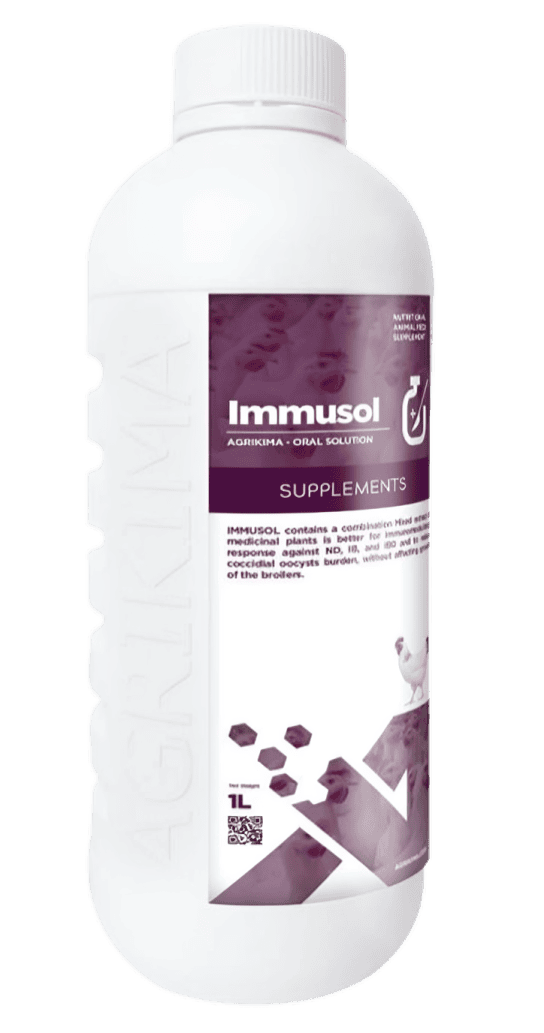
Effective management of wet litter in poultry houses is essential for maintaining a healthy environment for your birds. By understanding the wet litter poultry causes and implementing practical solutions, you can reduce the risks associated with wet litter and enhance the overall productivity of your flock. Remember, quality veterinary products and supplements from Agrikima can aid in ensuring your poultry remains healthy and thriving.