Why Layers Stop Laying: Causes and Solutions

Understanding Why Layers Stopped Laying
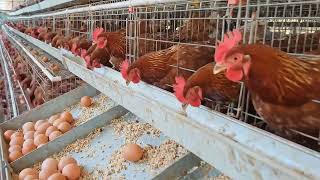
As a poultry farmer, it can be alarming when your laying hens suddenly stop producing eggs. Understanding the layers stopped laying causes is crucial to resolving the issue effectively. A drop in egg production can stem from various factors, including environmental stress, nutrition, health issues, and natural biological cycles.
Common Causes of Reduced Egg Production
- Environmental Stress: Changes in temperature, humidity, or lighting can stress hens, leading to a decrease in egg production.
- Nutrition Deficiencies: Inadequate or imbalanced nutrition can affect the reproductive system of layers. Ensure that your hens receive a balanced diet rich in essential nutrients.
- Health Issues: Diseases, parasites, and infections can cause layers to stop laying. Regular health checks and vaccinations can prevent such issues.
- Layer Fatigue: Older hens may experience a natural decline in egg production as they age. This phenomenon is known as layer fatigue.
- Molting Hens: Hens naturally molt to replace old feathers, which can temporarily halt egg production. This process typically occurs annually.
Identifying the Underlying Issues
To address the problem effectively, it’s essential to identify the specific causes of reduced egg production. Here are some tips:
1. Monitor Environmental Conditions
Ensure that your poultry house maintains a stable environment. Check the following:
- Temperature: Ideal temperatures for layers are between 18-24°C (65-75°F).
- Humidity: Keep humidity levels between 50-70% to avoid stress.
- Lighting: Hens require 14-16 hours of light daily for optimum egg production. Consider using artificial lighting during shorter days.
2. Assess Nutrition
Evaluate the diet you provide your layers. Ensure it includes:
- Quality feed with adequate protein (16-20%) and energy.
- Essential vitamins and minerals such as calcium and phosphorus.
- Fresh, clean water available at all times.
Consider incorporating quality veterinary products and supplements to boost nutrition.
3. Conduct Health Checks
Regularly inspect your flock for signs of illness or distress:
- Look for lethargy, abnormal droppings, or respiratory issues.
- Implement a vaccination schedule to protect against common diseases.
- Consult a veterinarian for health assessments and potential treatments.
4. Manage Layer Fatigue
For hens experiencing layer fatigue, consider:
- Reducing the flock's size to allow for better resource allocation.
- Replacing older hens with younger stock to maintain consistent egg production.
5. Understand the Molting Process
If hens are molting, patience is key. This process usually lasts 8-12 weeks. Here’s how you can help:
- Provide extra protein to support feather regrowth.
- Minimize stressors during this period to help them return to laying sooner.
Practical Solutions to Restore Egg Production
Once you have identified the causes of your layers' reduced egg production, implement these actionable solutions:
1. Improve Housing Conditions
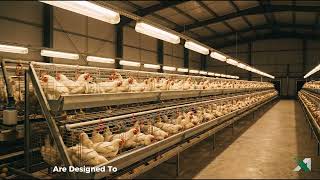
Ensure that your henhouse is clean, well-ventilated, and spacious enough to accommodate the flock comfortably. This reduces stress and enhances productivity.
2. Adjust Feeding Programs
Consider switching to a high-quality layer feed that meets the nutritional needs of your hens. Add supplements if necessary to enhance their diet.
3. Increase Water Intake
Ensure your hens have access to fresh water at all times. Dehydration can significantly impact egg production.
4. Reduce Stressors
Minimize disturbances such as loud noises or sudden changes in routine. A calm environment leads to happier, more productive hens.
5. Consult with a Veterinarian
If problems persist, seek professional veterinary advice. They can provide tailored recommendations based on your flock's specific needs.
Conclusion
A sudden drop in egg production can be concerning, but with the right knowledge and management practices, you can effectively address the layers stopped laying causes. By ensuring optimal environmental conditions, nutrition, and health management, you can encourage your layers to resume their egg-laying routine.