Accurate Dairy Farm Record Keeping: Essential Tips

Introduction to Dairy Farm Record Keeping
Keeping accurate dairy farm records is crucial for successful farm management. It helps farmers track the performance of their herd, manage resources efficiently, and make informed decisions. In this blog post, we will explore practical tips for maintaining dairy farm records, including milk records and breeding records, to enhance your farm's productivity.
The Importance of Accurate Records
Accurate record keeping allows farmers to:
- Monitor milk production and quality
- Evaluate breeding performance and herd health
- Manage financial aspects of the farm
- Make informed decisions regarding feeding and health management
Types of Dairy Farm Records
1. Milk Records
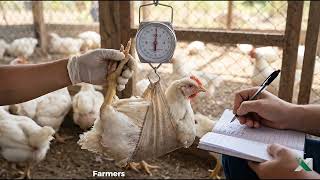
Milk records are essential for tracking the quantity and quality of milk produced by each cow. This information can help you identify high-producing animals and those that may need extra care. Here are some tips for maintaining milk records:
- Log daily milk production for each cow.
- Record the milk quality, including somatic cell count (SCC) and butterfat percentage.
- Use software or a mobile app to streamline data entry and analysis.
2. Breeding Records
Breeding records help you track the reproductive performance of your herd. Keeping detailed breeding records can lead to improved genetics and higher milk production. Consider the following:
- Record the date of breeding, the bull used, and the expected calving date.
- Track pregnancy checks and calving results.
- Monitor the health and fertility status of each cow to identify patterns.
Implementing a Record Keeping System
1. Choose the Right Tools
Selecting the right tools for record keeping is essential. You can use:
- Paper-based systems: Simple notebooks or forms.
- Software programs: Dairy management software that can help automate record keeping.
- Mobile apps: Convenient for tracking records on the go.
2. Establish a Routine
Consistency is key in record keeping. Establish a daily or weekly routine to update your records. This ensures that you capture all necessary data and minimize errors.
3. Train Your Staff
Ensure that all staff members are trained on the importance of record keeping and how to accurately input data. This helps maintain the integrity of your records.
Utilizing Records for Farm Management
1. Analyze Your Data
Regularly analyze your records to identify trends and make informed decisions. For example, if milk production is declining, examine feeding practices, health records, and breeding performance.
2. Adjust Management Practices
Use the insights from your records to adjust management practices. This may include changing feeding strategies, implementing new health protocols, or altering breeding plans.
Incorporating Veterinary Products
Quality veterinary products and supplements can also play a significant role in maintaining accurate records. For instance, using supplements to enhance cow health can lead to improved milk production and better breeding outcomes, which should be documented in your records.
Conclusion
Accurate dairy farm record keeping is essential for effective farm management. By maintaining detailed milk and breeding records, establishing a routine, and utilizing the right tools, you can enhance your farm's productivity. Remember to analyze your data regularly and incorporate veterinary products as needed to support your herd's health and performance.