Aflatoxin M1 in Milk: Understanding the Risks
Understanding Aflatoxin and Its Impact on Milk
Aflatoxins are toxic compounds produced by certain molds, primarily Aspergillus flavus, which can contaminate animal feed. One significant form is aflatoxin B₁, which, when ingested by dairy cows, is metabolized into aflatoxin M₁, a harmful carcinogen that can end up in milk. This poses a serious risk to both animal and human health, making it crucial for farmers to manage feed quality effectively.
How Mouldy Feed Leads to Aflatoxin M1 in Milk
Aflatoxin M₁ contamination in milk occurs when dairy cows consume feed that is contaminated with aflatoxin B₁. The following factors contribute to this issue:
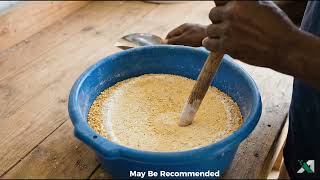
- Feed Quality: Mouldy dairy meal is often the root cause of aflatoxin contamination. Farmers must ensure that feed is stored properly to prevent mold growth.
- Environmental Conditions: Warm and humid conditions favor mold growth, increasing the likelihood of aflatoxin production in feed.
- Feed Ingredients: Some raw materials, such as corn and peanuts, are particularly susceptible to aflatoxin contamination, especially if not properly dried and stored.
The Chain of Contamination
The journey of aflatoxin from feed to milk involves several stages:
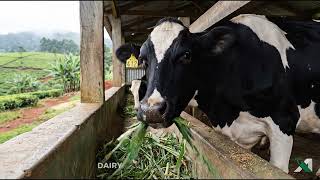
- When cows eat contaminated feed, aflatoxin B₁ is absorbed into their system.
- The liver metabolizes aflatoxin B₁ into aflatoxin M₁, which is then secreted into the milk.
- Studies indicate that approximately 1-2% of dietary aflatoxin B₁ can be converted into aflatoxin M₁ in milk when feed levels exceed 50 ppb.
Due to this process, milk can exceed the FDA limit of 0.5 ppb for aflatoxin M₁, posing health risks to consumers.
Health Risks Associated with Aflatoxin M1
Aflatoxin M₁ has been classified as a possible human carcinogen. Regular consumption of milk containing this toxin can lead to severe health issues, including liver cancer, immune system suppression, and birth defects. Therefore, ensuring milk safety is paramount for dairy producers.
Preventing Aflatoxin Contamination in Dairy Production
Farmers can take several proactive measures to minimize the risk of aflatoxin M₁ in milk:
- Quality Control: Regularly test feed for aflatoxin levels, especially if it is sourced from regions prone to mold contamination.
- Proper Storage: Store feed in a cool, dry place to inhibit mold growth. Use airtight containers or silos to protect feed from humidity.
- Feed Formulation: Incorporate aflatoxin binders such as bentonite or clay products in the feed to help mitigate the absorption of aflatoxins during digestion.
Implementing Feed Safety Practices
Utilizing good feed safety practices can significantly reduce the risk of aflatoxin contamination:
- Implement a rotation system for feed to minimize spoilage.
- Maintain hygiene in feed storage areas to prevent mold growth.
- Educate farm workers on the importance of feed quality and safety measures.
By adhering to these practices, dairy farmers can help ensure that their milk remains within safe aflatoxin limits, protecting both their livestock and consumers.
Conclusion
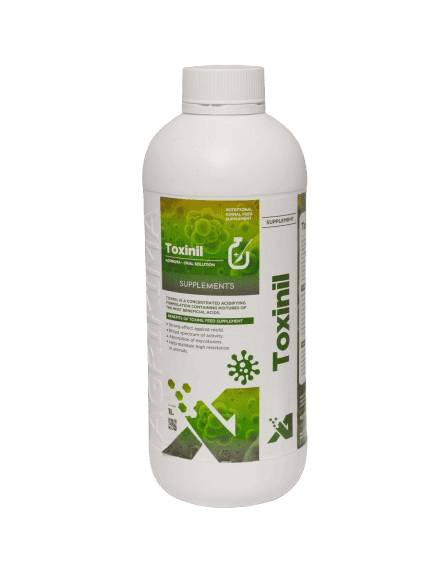
In conclusion, the presence of aflatoxin M₁ in milk is a serious concern that stems from the consumption of mouldy dairy meal. Farmers must prioritize feed safety and quality control to prevent this toxin from contaminating milk. By implementing best practices and utilizing quality veterinary products and supplements, dairy producers can safeguard their operations and promote milk safety for consumers.
Your message to the team
Sources: Read More
- Animal Feed Safety Practices to Prevent Aflatoxin in Milk — Penn State Extension
- Guidelines for Using Feeds Containing Aflatoxin in Dairy Rations — UGA Cooperative Extension
- On‑farm Mycotoxin Control in Food and Feed Grain – Training Manual — FAO
- The Global Status of Aflatoxin M1 in Cow Milk 1990–2025: An Assessment of Occurrence and Dietary Exposure — Food Research (Elsevier)
- Mycotoxins | FDA — U.S. Food and Drug Administration
- Aflatoxin M1 in Milk – FSA‑4018 — University of Arkansas Cooperative Extension Service