Aflatoxin Season: Reject Bad Maize Before It Enters Your Bin
Understanding Aflatoxin and Its Impact
Aflatoxins are toxic compounds produced by certain molds that grow on crops like maize, especially under warm and humid conditions. These mycotoxins can have severe health effects on livestock and pose risks to human health if consumed in contaminated feed.
The Importance of Rejecting Contaminated Maize
As a farmer or feed mill operator, it is crucial to implement effective mycotoxin control feed strategies to ensure the safety of your livestock. Rejecting contaminated maize not only protects animal health but also maintains the quality of your feed products.
Recognizing Aflatoxin Contamination
To effectively reject bad maize, you need to recognize the signs of aflatoxin contamination:
- Visual Inspection: Look for discolored kernels, mold growth, or unusual odors.
- Moisture Content: High moisture levels (above 14%) can increase the risk of mold growth.
- Sampling and Testing: Regularly test maize samples for aflatoxin levels using appropriate testing kits or laboratories.
Receiving-Bay Playbook for Rejecting Bad Maize
Your receiving bay is the first line of defense against contaminated maize. Follow this playbook to ensure effective quality control:
1. Establish Strict Quality Control Procedures
Implement a standard operating procedure for receiving maize. This should include guidelines for:
- Visual inspections upon arrival.
- Documenting the source and moisture content of each batch.
- Testing for aflatoxin levels before acceptance.
2. Train Your Staff
Ensure that all staff involved in the receiving process are trained to identify signs of contamination and understand the importance of rejecting bad maize. Regular training sessions can help reinforce these practices.
3. Use Effective Sampling Techniques
Implement random sampling techniques to assess maize quality during receipt. Take samples from various points in the delivery to get a representative sample for testing.
4. Implement Quick Testing Methods
Utilize quick testing kits that provide immediate results for aflatoxin levels. This enables you to make swift decisions on whether to accept or reject the maize.
5. Maintain Detailed Records
Keep comprehensive records of all received maize, including test results, moisture content, and any rejections. This documentation can help trace back issues and improve your quality control process.
Safe Storage Practices
Once you have successfully rejected contaminated maize, focus on safe storage practices for the accepted batches:
- Store maize in a cool, dry place to minimize the risk of mold growth.
- Use airtight containers or bins to prevent moisture ingress.
- Regularly monitor stored maize for signs of mold or changes in moisture content.
Utilizing Veterinary Products and Supplements
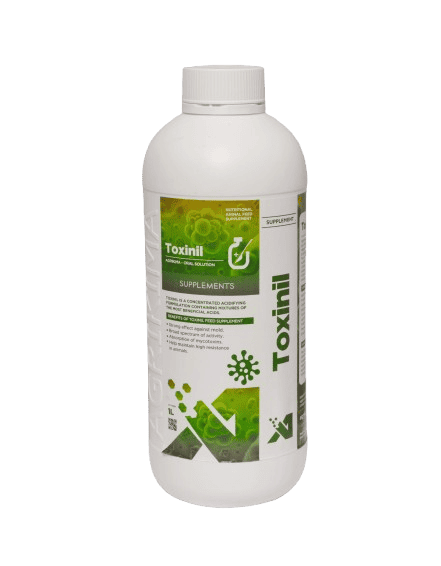
In addition to rejecting contaminated maize, consider using quality veterinary products and supplements that can help mitigate the effects of mycotoxins in livestock. These may include:
- Mycotoxin binders that can reduce the absorption of toxins in the gut.
- Probiotics to support gut health and overall animal well-being.
- Mineral supplements to enhance animal immunity against toxins.
Conclusion
Aflatoxin season requires vigilance and proactive measures to ensure the safety of your feed mill operations. By implementing strict quality control procedures and utilizing effective mycotoxin control feed strategies, you can protect your livestock and maintain high-quality feed standards. Remember, rejecting contaminated maize is a critical step in safeguarding animal health and ensuring the success of your farming operation.