African Swine Fever: Prevention, Symptoms and Control

Understanding African Swine Fever
African Swine Fever (ASF) is a highly contagious and deadly viral disease affecting domestic and wild pigs. It poses a significant threat to the swine industry globally, leading to severe economic losses. This guide will help farmers understand African swine fever prevention, recognize ASF symptoms in pigs, and implement effective swine fever control measures.
Symptoms of African Swine Fever in Pigs
Identifying ASF symptoms early is crucial for effective management. The following are common signs of the disease:
- High Fever: Pigs may exhibit a sudden rise in body temperature, often exceeding 40°C (104°F).
- Loss of Appetite: Infected pigs tend to eat less or stop eating altogether.
- Weakness and Lethargy: Affected pigs may show signs of extreme fatigue and weakness.
- Skin Changes: Look for reddening of the skin, particularly on the ears and snout, along with potential hemorrhaging.
- Respiratory Distress: Coughing, difficulty breathing, and nasal discharge can also be indicators of infection.
- Sudden Death: In severe cases, pigs can die suddenly without showing prior symptoms.
Preventing African Swine Fever
Prevention is the best strategy for managing African Swine Fever. Here are actionable steps farmers can take:
Implement Strict Biosecurity Measures
Establishing and maintaining strict biosecurity protocols is vital in preventing ASF. Consider the following:
- Limit access to pig farms by unauthorized personnel.
- Use footbaths with disinfectants at entry points to kill potential pathogens.
- Ensure that all equipment and vehicles are disinfected before entering the farm.
- Keep wild boars away from domestic pigs as they can be carriers of the virus.
- Quarantine new animals for at least 30 days before introducing them to the herd.
Monitor Pig Health Regularly
Routine health checks play a critical role in early detection and prevention:
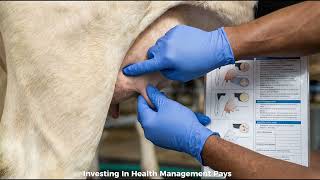
- Conduct regular temperature checks for all pigs.
- Observe daily behavior and appetite to catch any changes as early as possible.
- Work with veterinarians to establish a health monitoring program.
Educate Staff and Workers
Training your staff about ASF is essential:
- Provide educational resources on ASF symptoms and transmission.
- Encourage reporting of any suspicious symptoms immediately.
- Regularly update staff on the latest ASF developments and prevention strategies.
Control Measures for African Swine Fever
In the event of a confirmed ASF case, immediate action is crucial to control the outbreak:
Isolation and Quarantine
If ASF symptoms are detected, isolate the affected pigs immediately:
- Quarantine the entire herd until a diagnosis is confirmed.
- Do not move pigs in or out of the area during this time.
Contact Veterinary Services
Work closely with veterinary professionals:
- Report any suspected cases to local veterinary authorities.
- Follow their guidance on testing and treatment options.
Depopulation and Disposal
In some instances, depopulation may be necessary to control the spread:
- Implement humane depopulation protocols as advised by veterinarians.
- Ensure safe disposal of carcasses to prevent environmental contamination.
Conclusion
Managing African Swine Fever requires diligence and a proactive approach to biosecurity, health monitoring, and staff education. By implementing these African swine fever prevention strategies and recognizing the ASF symptoms in pigs, farmers can significantly reduce the risk of a pig disease outbreak. Additionally, utilizing quality veterinary products and supplements can enhance overall herd health and resilience against diseases.