Keep an Effective Antibiotic Treatment Logbook
Why an Antibiotic Treatment Logbook is Essential
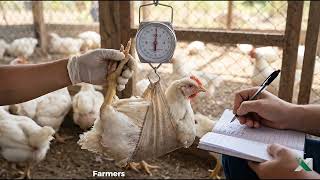
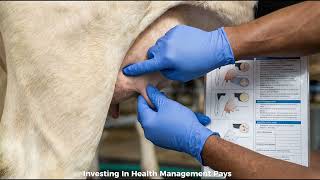
Maintaining a simple antibiotic treatment logbook for livestock is crucial for several reasons. It helps ensure food safety, compliance with regulations, and effective management of animal health. By keeping accurate records, farmers can track antibiotic usage, monitor withdrawal dates, and prepare for audits related to antimicrobial resistance (AMR).
Key Components of an Antibiotic Treatment Logbook
To create an effective antibiotic treatment logbook, include the following components:
- Date of Treatment: Record the date when the antibiotic is administered to the livestock.
- Animal Identification: Use an identification system (like ear tags or tattoo numbers) to specify which animal received the treatment.
- Type of Antibiotic: Document the specific antibiotic used, including its dosage and route of administration.
- Reason for Treatment: Clearly state the health issue being addressed, whether it’s a bacterial infection or preventative treatment.
- Withdrawal Date: Note the withdrawal date as per veterinary guidelines, ensuring compliance with food safety regulations.
- Veterinary Drug Records: Keep records of any recommendations or prescriptions from your veterinarian regarding the treatment.
How to Structure Your Logbook
Your logbook can be a physical notebook or a digital document. Here’s a simple template to get started:
Sample Antibiotic Treatment Logbook Template
| Date | Animal ID | Antibiotic Name | Dosage | Reason for Treatment | Withdrawal Date |
|---|---|---|---|---|---|
| MM/DD/YYYY | 12345 | Amoxicillin | 10 mg/kg | Pneumonia | MM/DD/YYYY |
Make sure to update this logbook regularly after each treatment. Consistency is key! This will also help you prepare for AMR audits, ensuring that you can provide accurate records when required.
Best Practices for Maintaining Your Logbook
Here are some best practices to help you maintain an effective antibiotic treatment logbook:
- Be Precise: Write clear and concise entries to avoid confusion later. Use standardized abbreviations for medications and treatments.
- Regular Updates: Update the logbook immediately after administering antibiotics to prevent missing entries.
- Backup Your Records: If using a digital logbook, regularly back up your data to avoid loss. For physical logbooks, consider photocopying important pages.
- Review Regularly: Set aside time to review your entries periodically. This practice helps identify any patterns in health issues and treatment effectiveness.
- Consult Your Veterinarian: Regularly discuss your logbook with your veterinarian to ensure you are following best practices in antibiotic usage and management.
Importance of Withdrawal Date Tracking
Tracking withdrawal dates is a critical part of your antibiotic treatment logbook. This period is the time it takes for the drug to leave the animal's system before the meat, milk, or eggs can be safely consumed. Failing to adhere to these dates can lead to antibiotic residues in food products, compromising food safety and potentially resulting in regulatory penalties.
Preparing for AMR Audits
Antimicrobial resistance (AMR) is a growing concern in livestock management. By maintaining a detailed antibiotic treatment logbook, farmers can demonstrate their commitment to responsible antibiotic use. This can be beneficial during AMR audits, showcasing your efforts to track antibiotic use and minimize resistance risks.
Conclusion
Keeping a simple antibiotic treatment logbook for livestock is not just a regulatory requirement; it is an essential tool for ensuring the health of your animals and the safety of your food products. By following the guidelines and using the provided template, you can manage antibiotic treatments effectively and responsibly. Quality veterinary products and supplements from Agrikima can further support your livestock's health, helping you maintain a thriving farm.
Your message to the team
Sources: Read More
- Livestock Antibiotic Record Keeping — Purdue University Extension
- Veterinary Medicine Record Keeping Requirements — U.S. Food and Drug Administration
- Antimicrobial Use and Resistance in Livestock — Food and Agriculture Organization of the United Nations
- Antibiotic Use in Food Animals: FDA's Role — U.S. Food and Drug Administration
- Record Keeping for Livestock Producers — Iowa State University Extension and Outreach