Bacteriophage Therapy: A New Era for Livestock Health

Introduction to Bacteriophage Therapy
Bacteriophage therapy, an innovative treatment method, is emerging as a promising alternative to traditional antibiotics in livestock health management. With the growing concerns surrounding antimicrobial resistance, this targeted approach to bacterial infections is gaining traction among farmers and veterinarians alike.
What is Bacteriophage Therapy?
Bacteriophages, or phages, are viruses that specifically infect bacteria. Unlike broad-spectrum antibiotics that can disrupt beneficial bacteria alongside harmful ones, bacteriophage therapy offers a more precise method of targeting pathogenic bacteria in livestock. This specificity is crucial in reducing the incidence of antibiotic-resistant bacteria that pose significant health risks to both animals and humans.
The Need for Alternatives to Antibiotics
As antibiotic resistance continues to rise, livestock producers face increasing pressure to find viable alternatives for managing bacterial infections in their herds. Traditional antibiotics have been a cornerstone of livestock health, but their overuse has led to the emergence of resistant strains of bacteria, complicating treatment protocols and endangering animal welfare.
Benefits of Bacteriophage Therapy
- Targeted Action: Bacteriophages selectively attack harmful bacteria, leaving beneficial microflora intact. This targeted action minimizes the side effects often associated with broad-spectrum antibiotics.
- Reduced Risk of Resistance: By utilizing phage therapy, farmers can reduce the reliance on antibiotics, thereby lowering the risk of developing antibiotic-resistant bacterial strains.
- Improved Animal Health: With effective bacterial control, livestock can experience fewer infections, leading to better overall health and productivity.
Applications in Livestock Farming
Bacteriophage therapy has shown potential in various livestock sectors, including poultry, cattle, and swine. Its applications are diverse, ranging from treating respiratory infections in poultry to controlling bacterial enteritis in pigs.
Phage Therapy in Poultry
Poultry farms often face challenges such as Salmonella and E. coli infections, which can lead to significant economic losses. Phage therapy provides a targeted strategy to combat these pathogens, reducing the need for antibiotics and enhancing flock health.
Phage Therapy for Swine
In pig farming, bacteriophage therapy can be used to manage diseases caused by pathogenic bacteria like Lawsonia intracellularis and Escherichia coli. By integrating phage therapy into management practices, farmers can minimize outbreaks and improve growth performance in their herds.
Phage Therapy in Cattle
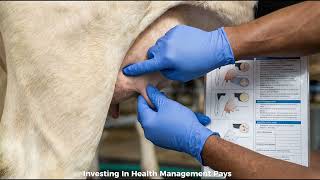
Cattle can also benefit from bacteriophage therapy, particularly in addressing mastitis and other bacterial infections. This innovative approach can lead to healthier dairy herds and improved milk production.
Implementing Bacteriophage Therapy
To successfully integrate bacteriophage therapy into your livestock management practices, consider the following actionable steps:
- Consult with a Veterinarian: Before adopting any new treatment, consult with a veterinarian experienced in phage therapy to discuss its suitability for your livestock and specific health challenges.
- Monitor Health Outcomes: Keep detailed records of animal health and productivity to assess the impact of phage therapy on your livestock. This monitoring will help you make informed decisions about future treatments.
- Combine with Quality Supplements: Enhance the effectiveness of bacteriophage therapy with quality veterinary products and supplements that support animal health. Products from Agrikima, for instance, can complement phage therapy, ensuring your livestock receive comprehensive care.
Challenges and Considerations
While bacteriophage therapy presents numerous advantages, there are challenges to consider. The effectiveness of phages can vary based on the specific bacterial strain and environmental factors. Additionally, regulatory frameworks for phage therapy are still developing in many regions, so it's essential to stay informed about local guidelines.
The Future of Bacteriophage Therapy in Livestock
As research continues to expand on the efficacy of bacteriophage therapy in livestock, its potential to revolutionize animal health management is promising. By reducing the reliance on traditional antibiotics, farmers can contribute to a more sustainable and responsible approach to livestock production.
In conclusion, bacteriophage therapy is not only an innovative solution for combating bacterial infections in livestock but also a crucial step towards addressing the global challenge of antimicrobial resistance. By exploring this emerging alternative, farmers can enhance the health and productivity of their herds while supporting the broader goal of sustainable agriculture.
Your message to the team
Sources: Read More
- Bacteriophage Therapy: A Promising Alternative to Antibiotics in Livestock — Food and Agriculture Organization of the United Nations
- Phage Therapy in Animal Health — National Center for Biotechnology Information
- Bacteriophage Therapy as an Alternative to Antibiotics in Livestock Production — Purdue University Extension
- Phage Therapy: A New Horizon in Livestock Disease Management — United States Department of Agriculture
- Bacteriophage Therapy in Veterinary Medicine: A Review — Frontiers in Veterinary Science
- Phage Therapy: An Alternative to Antibiotics for Livestock — Farm Progress