Balancing Dairy Ration with Local Feeds: A Practical Guide

Introduction to Balancing Dairy Rations
Balancing a dairy ration is crucial for maximizing milk production while ensuring the health of your cows. Utilizing local feed options not only reduces costs but also supports local agriculture. In this guide, we will explore how to create a balanced local feed dairy ration using available resources.
Understanding Dairy Nutritional Needs
Dairy cows require a balanced diet that provides energy, protein, vitamins, and minerals. The main components of a dairy ration typically include:
- Forages: Such as hay, silage, and pasture.
- Concentrates: These are high-energy feeds like grains and by-products.
- Supplements: Vitamins and minerals to meet specific nutritional gaps.
Utilizing Local Feeds for Dairy Rations
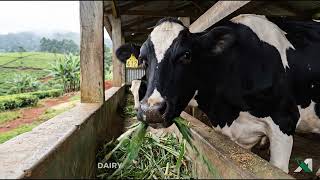
Local feeds can significantly reduce costs while providing adequate nutrition. Here are some strategies to balance a dairy ration using locally available feeds:
1. Identify Local Feed Sources
Start by identifying available local feeds. Common local feed options include:
- Crop Residues: Stalks and leaves from maize or beans.
- Legume Forages: Alfalfa or clover can provide higher protein levels.
- By-products: Distillers grains and other fibrous by-products are excellent alternatives.
2. Incorporate Alternative Protein Sources
Protein is essential for milk production. Using local alternative protein sources can help meet these needs effectively and affordably:
- Oilseed Meals: Sunflower or groundnut meal can be good protein sources.
- Fish Meal: If available, it can offer a high-quality protein boost.
- Distillers Grains: These are available in many regions and are valuable due to their protein and energy content.
3. Create Farm-Mixed Concentrates
Farm-mixed concentrates allow farmers to customize their rations based on local ingredient availability. Here’s how to create a balanced concentrate:
- Select Ingredients: Choose from local grains, protein sources, and supplements.
- Determine Ratios: A typical mix might include 60% grains, 30% protein sources, and 10% vitamins/minerals.
- Balance Nutrients: Ensure the mix meets the necessary energy and protein requirements for lactating cows.
Practical Tips for Ration Balancing
Here are some practical tips for balancing your dairy ration effectively:
1. Regularly Test Feed Ingredients
Before mixing your rations, it’s essential to test the nutritional content of your local feeds. This ensures you know exactly what you’re providing to your cows.
2. Monitor Cow Health and Milk Production
Keep an eye on your cows’ health and milk output to see if adjustments are needed in your rations. Changes in milk yield can indicate whether your current feed mix is meeting their needs.
3. Adjust Rations Seasonally
Feed availability can change with the seasons. Adjust your rations based on what is locally available at different times of the year.
4. Consult with Experts
Don’t hesitate to consult with agricultural extension officers or a livestock nutritionist to ensure your rations are balanced effectively.
Benefits of Using Locally Sourced Feeds
Utilizing local feeds for your dairy ration offers several advantages:
- Cost Savings: Reduces transportation costs and supports local economies.
- Freshness: Local feeds are often fresher than those transported from far away.
- Environmental Impact: Minimizes carbon footprint associated with transporting feed.
Conclusion
Creating a balanced local feed dairy ration is not only feasible but also beneficial for your dairy operation. By using locally available feeds, you can significantly reduce costs while ensuring the health and productivity of your cows. Remember, quality veterinary products and supplements can also play a crucial role in maintaining optimal health and performance in your herd.
Your message to the team
Sources: Read More
- Feeding Byproducts High in Concentration of Fiber to Ruminants — DAIReXNET
- Distillers Grains — DAIReXNET
- Feeding Strategies for Post-Weaned Dairy Heifers, 2 to 6 months of age — DAIReXNET
- Feeding Practices for Dairy Cows Milked with Robotic Milking Systems — DAIReXNET
- From the Lab Bench: Know your alternative feed — USDA ARS
- Grain Prices Impact Entire Livestock Production Cycle — USDA Economic Research Service