Best Feeding Practices for High-Yielding Dairy Cows

Understanding Dairy Cow Nutrition
Proper nutrition is crucial for high-yielding dairy cows. A well-balanced diet not only enhances milk production but also promotes overall health. In this dairy cow feeding guide, we will explore essential feeding practices that every dairy farmer should follow to ensure optimal cattle nutrition.
Components of a Balanced Diet
A balanced diet for dairy cows should consist of three main components: fodder, concentrates, and supplements. Each plays a vital role in maintaining the health and productivity of your herd.
Fodder
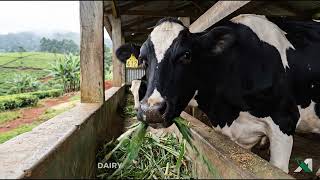
Fodder is the primary source of roughage in a dairy cow’s diet. It includes grass, hay, and silage. High-quality fodder is essential for:
- Providing fiber, which aids digestion
- Maintaining rumen health
- Ensuring a steady intake of essential nutrients
When selecting fodder, ensure it is free from mold and contaminants. Regular testing for nutrient content can help you make informed decisions about your cows' dietary needs.
Concentrates
Concentrates are energy-dense feeds that are crucial for high-yielding dairy cows. They include grains, protein meals, and by-products. Key benefits of concentrates are:
- Boosting milk production
- Providing essential amino acids
- Enhancing overall energy levels
It’s important to balance the amount of concentrates with fodder to avoid digestive issues. Gradually introduce concentrates to your cows to prevent rumen upset.
Feeding Strategies for High-Yielding Dairy Cows
Implementing effective feeding strategies can significantly impact your dairy cows' production levels. Here are some actionable tips:
1. Monitor Body Condition
Regularly assess the body condition of your dairy cows. Aim for a body condition score (BCS) of 3.0 to 3.5 on a scale of 1 to 5. Adjust feeding practices based on BCS to maintain optimal health and production.
2. Provide Clean Water
Access to clean and fresh water is essential for dairy cows. Ensure they can drink freely, as water intake directly affects milk yield. A cow can consume up to 50 gallons of water a day!
3. Use Quality Supplements
Consider incorporating quality veterinary products and supplements into your feeding regimen. These can help fill nutritional gaps, especially during periods of high production or stress. Supplements such as minerals and vitamins are vital for:
- Boosting immune function
- Enhancing reproductive performance
- Improving milk quality
4. Balance Nutrients
Ensure that the diet is balanced in carbohydrates, proteins, fats, vitamins, and minerals. Work with a nutritionist to formulate a diet that meets the specific needs of your herd based on their production levels and life stages.
5. Implement Feeding Schedules
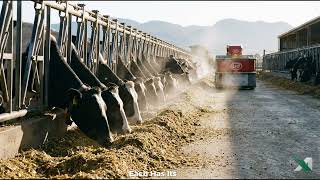
Establish a consistent feeding schedule. Feeding cows at the same time each day can improve digestion and feed efficiency. Aim for multiple small meals throughout the day rather than one large feeding to promote optimal rumen function.
Signs of Nutritional Deficiency
Be vigilant about signs of nutritional deficiencies in your dairy cows. Common indicators include:
- Poor milk production
- Weight loss or poor body condition
- Changes in behavior such as lethargy
If you notice any of these signs, consult with a veterinarian to adjust the feeding plan and consider adding appropriate supplements.
Conclusion
In summary, following best feeding practices is essential for maintaining the health and productivity of high-yielding dairy cows. By focusing on balanced nutrition through quality fodder, concentrates, and veterinary products, you can help ensure your dairy herd thrives. Remember, a well-fed cow is a productive cow!