Biofilm in Drinker Lines: Causes and Solutions
Understanding Biofilm in Drinker Lines
Biofilm is a complex aggregation of microorganisms that stick to surfaces, forming a protective layer. In poultry farming, biofilm can develop in drinker lines, leading to significant health and management issues. Understanding biofilm and its impact on water medication is crucial for maintaining the health of your flock.
Why Biofilm Forms in Drinker Lines
Biofilms form when bacteria adhere to the surfaces of drinker lines, creating a slimy layer that is difficult to remove. This can happen even in well-maintained systems due to the protective slime produced by bacteria, which resists sanitizers. Additionally, when water medication is administered through these lines, it can inadvertently promote biofilm growth, as some additives serve as nutrients for the bacteria.
The Impact of Biofilm on Water Medication
One of the primary concerns with biofilm in drinker lines is its effect on the efficacy of water medication for poultry. The biofilm matrix can trap medication particles, leading to under-dosing and reduced effectiveness. This can hinder your flock's recovery from illnesses, and in some cases, contribute to the development of antibiotic resistance due to insufficient medication levels.
Common Issues Caused by Biofilm
- Reduced Medication Effectiveness: Biofilm can absorb and hold onto medications, preventing them from reaching your flock effectively.
- Pathogen Harboring: Biofilms can harbor pathogens like Salmonella, leading to increased disease risk.
- Water Quality Deterioration: Biofilms can cause clogging in drinker lines, leading to off-tasting water and poor hydration for your birds.
Cleaning Nipple Drinkers: Practical Steps
To combat biofilm, it’s essential to implement a robust cleaning protocol for your drinker lines. Here are some actionable steps:
- Regular Cleaning: Clean your drinker lines and nipple drinkers regularly to remove biofilm and scale build-up. This should be done at least every few weeks, depending on the water quality and usage.
- Use Effective Cleaning Agents: Organic acids like acetic acid have shown effectiveness against biofilm-forming bacteria. Ensure that any cleaning agents used are suitable for poultry environments.
- Flushing: After cleaning, flush the lines with clean water to ensure all cleaning agents and any loosened biofilm are thoroughly removed.
Strategies for Effective Medicated Water Dosing
To ensure that your flock receives effective medication through their drinking water, consider the following strategies:
- Monitor Water Quality: Regularly test the water quality to ensure it is free from contaminants that can promote biofilm growth.
- Optimize Dosage: Adjust the dosage of medications based on the biofilm presence in your drinker lines. Consult with a veterinarian to customize your approach.
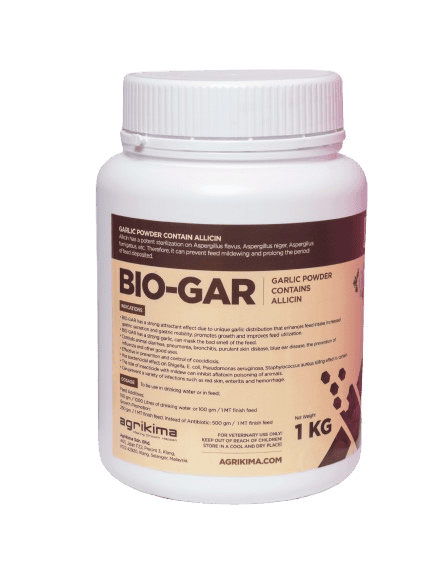
- Use Quality Products: Invest in high-quality veterinary products and supplements that support the health of your flock, ensuring they are more resilient against diseases.
Conclusion
Biofilm in drinker lines can significantly hinder the effectiveness of water medication for poultry, posing risks to the health of your flock. By implementing regular cleaning protocols for nipple drinkers and optimizing your medicated water dosing strategies, you can minimize the impact of biofilm and ensure the well-being of your birds. Remember, maintaining clean water lines is not just about hygiene; it’s about the overall health and productivity of your poultry.
Your message to the team
Sources: Read More
- Broiler Tip: Biofilms in Poultry Drinking Systems — University of Georgia Cooperative Extension Service
- Poultry Water Line Sanitation (P2839) — Mississippi State University Extension Service
- Clean Water Lines for Flock Health — University of Arkansas Division of Agriculture
- Occurrence and Characterisation of Biofilms in Drinking Water Systems of Broiler Houses — BMC Microbiology (peer‑reviewed journal)
- Hygienic Efficacy of Organic Acids… Against Biofilm‑Bacteria Isolated from Layer‑Poultry Farms — Springer (peer‑reviewed journal)
- Water Quality Practicality and Management — International Poultry Production via AgriInsight