Biogas from a Zero-Grazing Unit: Sizing a Digester
Understanding Biogas and Its Benefits
Biogas is a renewable energy source generated from the anaerobic digestion of organic matter, such as cow dung. It provides a sustainable solution for energy needs, particularly in zero-grazing dairy units. Utilizing cow dung biogas not only helps in waste management but also offers a clean energy alternative for cooking and heating.
What Is a Dairy Biogas Digester?
A dairy biogas digester is a sealed tank where organic waste, like cow dung, is decomposed by microorganisms in the absence of oxygen. This process produces biogas, primarily composed of methane, which can be used as farm cooking gas or for other energy needs.
Zero-Grazing Units and Their Role
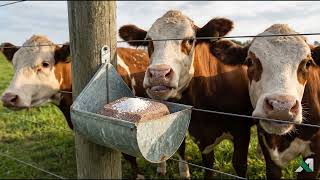
Zero-grazing refers to a system where livestock are kept in pens or shelters and fed with harvested forage instead of grazing in pastures. This method is beneficial for maintaining herd health and managing resources effectively. The manure produced in these units can be efficiently converted into biogas, providing a renewable energy source.
How to Size a Dairy Biogas Digester for a Small Herd
Sizing a biogas digester involves understanding the amount of waste produced and the energy needs of your household or farm. The general guideline for sizing a digester is based on the number of cows and their waste output.
Estimating Waste Production
On average, a lactating dairy cow produces about 10–20 kg of dung per day. In a zero-grazing unit, this dung can be collected and used as feedstock for the digester. For example, a herd of four to six cows will provide sufficient waste to justify the installation of a biogas digester.
Retention Time and Digester Volume
The retention time is the duration the organic material stays in the digester for effective gas production. For small dairy units with four to six cows, a 6 m³ digester with a retention time of 40 days is recommended. This setup can handle around 150 litres of slurry daily, producing approximately 2 m³ of biogas each day, which is enough to fuel a two-burner cook stove for 3 to 5 hours.
Calculating Digester Size
To size your biogas digester:
- Determine the number of cows: The more cows you have, the larger the digester you'll need.
- Calculate daily waste: Use the average dung production (10–20 kg per cow) to estimate total daily dung.
- Find the correct volume: Use the guideline of 0.9 m³ of digester volume per lactating cow to find the total required volume.
Benefits of a Biogas Digester
Implementing a biogas digester in your zero-grazing unit can lead to numerous benefits:
- Renewable energy source: Biogas can replace traditional fuels for cooking, reducing energy costs.
- Waste management: Properly managing cow dung helps prevent pollution and promotes cleaner living conditions.
- Improved soil health: The leftover digested material can be used as a nutrient-rich fertilizer for crops.
Practical Tips for Successful Biogas Production
1. Maintain Digester Conditions
Ensure that the digester is kept at optimal temperatures (around 35–40°C) to encourage microbial activity. Regularly monitor pH levels and adjust as necessary to maintain an ideal environment for anaerobic digestion.
2. Regular Feeding and Mixing
Feed the digester with a consistent supply of cow dung and mix it thoroughly to promote even digestion. A well-mixed substrate increases biogas yield and efficiency.
3. Use Quality Supplements
For improved digestion rates, consider using quality veterinary products and nutritional supplements that can enhance the health of your cows, which in turn increases dung production.
4. Monitor Gas Production
Keep track of the biogas output to evaluate the efficiency of your system. Adjust feeding ratios and monitor for any signs of issues that may affect production.
Conclusion
Setting up a dairy biogas digester in a zero-grazing unit is a practical solution for small herd farmers. It not only provides a renewable energy source for cooking but also helps in effective waste management. By understanding the necessary calculations for sizing and maintaining your digester, you can maximize its benefits and contribute to a more sustainable farming practice.
Your message to the team
Sources: Read More
- Costs and Benefits of Clean Energy Technologies in the Milk, Vegetable and Rice Value Chains — FAO (Food and Agriculture Organization)
- Biogas from Manure — Penn State Extension
- AgSTAR Project Development Handbook — US EPA – AgSTAR
- Anaerobic Digesters for Manure Management at Livestock Operations — UF/IFAS Extension (University of Florida)
- Design and evaluation of biomass waste‑to‑energy system from cattle dung for rural electrification — Peer‑reviewed journal (2026)
- The Technology – Technical Aspects of Small‑Scale Biogas — UNIDO (United Nations Industrial Development Organization)