Biosecurity: Key to AMR Prevention on Your Farm

Understanding Biosecurity and AMR Prevention
Biosecurity refers to the set of measures implemented to prevent the introduction and spread of infectious diseases on farms. As farmers face increasing concerns about antimicrobial resistance (AMR), the importance of robust biosecurity practices becomes evident. By effectively managing biosecurity, farmers can minimize the need for antibiotics, thereby reducing the risk of AMR.
Why Focus on Disease Prevention?
Implementing strict biosecurity measures not only safeguards the health of livestock but also plays a critical role in improving overall farm productivity. According to the Food and Agriculture Organization, effective biosecurity can significantly prevent the introduction of infectious diseases, which in turn reduces the reliance on antibiotics and helps combat AMR.
Common Biosecurity Practices
- Controlled Farm Access: Limit access to your farm and ensure that all visitors follow sanitation protocols.
- Quarantine New Animals: Isolate any new livestock for a designated period to monitor for signs of illness before introducing them to the existing herd.
- Clean and Disinfect: Regularly clean and disinfect all equipment, vehicles, and housing facilities to eliminate potential pathogens.
- Maintain Healthy Nutrition: Providing high-quality feed and supplements can enhance your animals' immune systems, making them less susceptible to disease.
Biosecurity and Specific Livestock Types
Different types of livestock may require tailored biosecurity measures. Here’s a brief overview:
Dairy Farms
On dairy farms, biosecurity can significantly reduce the risk of diseases such as mastitis, which often leads to antibiotic treatment. Implementing practices such as regular milking equipment cleaning and monitoring cow health can minimize infection risks, thereby reducing antibiotic use.
Poultry Farms
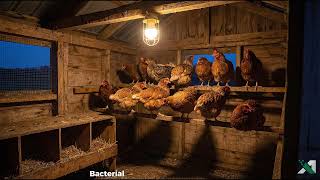
Poultry farmers face specific threats from diseases like avian influenza. Strict biosecurity measures, including limiting contact with wild birds and implementing thorough cleaning protocols, are essential to prevent disease outbreaks, reducing the need for antibiotics.
Swine Production
In swine production, effective biosecurity measures are critical in preventing diseases such as Porcine Reproductive and Respiratory Syndrome (PRRS). Implementing protocols for animal movement and maintaining biosecure barriers can significantly reduce the occurrence of disease, thus minimizing antibiotic reliance.
The Role of Disease Prevention in Reducing AMR
When farmers focus on preventing disease through biosecurity, they inherently reduce the need for antibiotics. A study by the National Center for Biotechnology Information highlights that comprehensive biosecurity measures in livestock farming can lead to a significant decrease in antimicrobial use. This not only benefits the health of the animals but also contributes to public health by reducing the risk of antibiotic-resistant bacteria entering the human food chain.
Practical Tips for Enhancing Biosecurity
- Regular Training: Conduct training sessions for farm workers on the importance of biosecurity and proper hygiene practices.
- Monitor Animal Health: Keep detailed records of animal health and any signs of disease to act quickly if issues arise.
- Use Quality Veterinary Products: Invest in high-quality veterinary products and health supplements to keep livestock healthy and resilient.
- Engage in Community Biosecurity: Collaborate with neighboring farms to share biosecurity best practices and resources.
Conclusion: A Path to Sustainable Farming
Implementing effective biosecurity measures is essential for every farmer looking to enhance animal health and productivity while reducing antibiotic use. By prioritizing disease prevention, farmers not only contribute to a healthier livestock population but also play a crucial role in combating AMR. Remember, a proactive approach to biosecurity helps ensure a sustainable future for farming.
Your message to the team
Sources: Read More
- Biosecurity in Animal Production and Veterinary Medicine — Food and Agriculture Organization of the United Nations
- Biosecurity for Dairy Farms — Penn State Extension
- Biosecurity: The Key to Preventing Disease in Livestock — Iowa State University Extension and Outreach
- Biosecurity Measures to Reduce Antimicrobial Use in Livestock — National Center for Biotechnology Information
- Biosecurity in Swine Production — National Pork Board
- Biosecurity Practices on Poultry Farms — Centers for Disease Control and Prevention