Biosecurity: Your First Line of Defence Against AMR
Introduction to Biosecurity and AMR
Antimicrobial resistance (AMR) is a growing concern in agriculture, posing serious risks to animal health and food safety. Biosecurity is the first line of defense against the spread of AMR on farms. By implementing effective biosecurity amr prevention measures, farmers can significantly reduce the risk of infections and ensure the health of their livestock.
Understanding Biosecurity
Biosecurity encompasses a series of management practices designed to prevent the introduction, delivery, and spread of disease pathogens that can adversely affect livestock, crops, environments, and people. It is essential for reducing the transmission of disease-causing organisms, such as bacteria and viruses, between and within farms.
The Importance of Biosecurity in Reducing AMR
AMR occurs when microorganisms, including bacteria, do not respond to antimicrobial treatments, making infections harder to treat. This situation can lead to increased mortality rates and economic losses in farming. By focusing on farm biosecurity, farmers can limit the need for antibiotics, thus mitigating the risk of AMR.
Key Biosecurity Practices for Farmers
- Proper Animal Management: Ensure that all animals are healthy and regularly monitored for signs of illness. Isolate any sick animals immediately to prevent the spread of disease.
- Controlled Access: Limit access to your farm to only essential personnel. Use footbaths and change clothing to reduce the risk of introducing harmful pathogens.
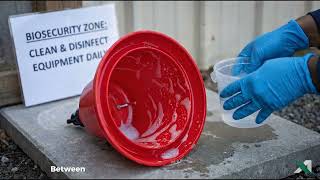
- Regular Cleaning and Disinfecting: Maintain a strict cleaning schedule for all equipment, housing, and vehicles that come into contact with livestock to reduce pathogen load.
- Quarantine New Animals: Isolate any new animals for a minimum of 30 days before introducing them to the existing herd or flock. This practice helps identify any potential health issues that new animals may carry.
- Vaccination Programs: Implement vaccination strategies tailored to the specific needs of your livestock. Vaccines can effectively prevent many diseases, reducing the reliance on antibiotics for treatment.
Implementing Disease Prevention Biosecurity Measures
To enhance your farm's biosecurity, consider the following actionable tips:
1. Create a Biosecurity Plan
Develop a comprehensive biosecurity plan that includes all aspects of management, from animal health monitoring to waste disposal. This plan should outline specific steps for preventing disease introduction and transmission.
2. Train Your Team
Educate everyone involved in farm operations about the importance of biosecurity and the role they play in preventing AMR. Provide training sessions to ensure that all team members understand and follow biosecurity protocols.
3. Monitor and Record
Keep detailed records of animal health, vaccination schedules, and any biosecurity breaches. Monitoring these records can help identify patterns and areas for improvement.
Utilizing Quality Veterinary Products
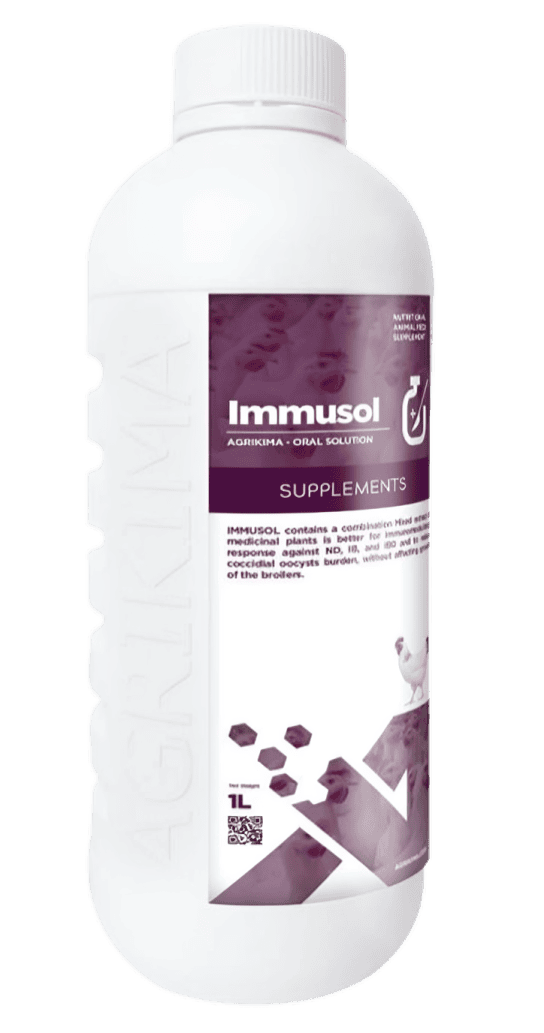
Incorporating quality veterinary products and supplements into your farm management can further enhance biosecurity measures. Natural animal health solutions can help support your livestock's immune systems, reducing the incidence of disease and the need for antibiotics.
4. Use Probiotics and Feed Additives
Consider using natural probiotics and feed additives that improve gut health and overall animal well-being. These products can help reduce infection risk on your farm, ultimately aiding in biosecurity amr prevention.
5. Regular Health Checks
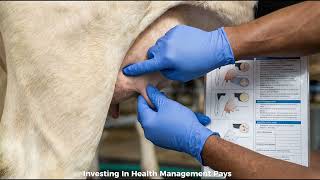
Conduct routine health checks and veterinary visits to ensure early detection and treatment of any health issues. Quick intervention can prevent the spread of diseases that contribute to AMR.
Conclusion
Biosecurity is an essential component of any successful farming operation, particularly in the context of combating AMR. By implementing strict biosecurity measures, farmers can significantly reduce the risk of infections and the need for antibiotics. This proactive approach not only protects animal health but also contributes to overall food safety and security. Investing in quality veterinary products and adhering to best practices will help ensure a healthy and productive farming environment.