
Quick Identification and Treatment of Bloat in Sheep
Understanding Bloat in Sheep
Bloat, also known as ruminal tympany, is a serious condition that can affect sheep, characterized by the excessive accumulation of gas in the rumen. This leads to distension on the left side of the animal, which can be life-threatening if not treated promptly.
Identifying Symptoms of Bloat
Recognizing the symptoms of bloat early is crucial for effective treatment. Here are some common signs to look out for:
- Distended Abdomen: The left side of the sheep may appear swollen and bulging.
- Restlessness: Affected sheep may exhibit signs of discomfort, pacing, or attempting to lie down.
- Grunting or Labored Breathing: Difficulty in breathing can occur due to pressure on the diaphragm.
- Salivation: Excessive drooling is often observed in sheep suffering from bloat.
- Panic Behavior: Sheep may show signs of distress or panic as their condition worsens.
Types of Bloat
Bloat can be categorized into two main types:
- Frothy Bloat: This type occurs when gas becomes trapped in a stable foam in the rumen, preventing its release and leading to rapid rumen expansion.
- Gas Bloat: This occurs due to excessive fermentation of feed, resulting in the production of gas that cannot escape. It is often caused by dietary factors.
Quick Treatment Options for Bloat
When faced with a bloat emergency, it’s essential to act quickly. Here are some treatment options:
1. Passing a Stomach Tube
Using a stomach tube is one of the most effective ways to relieve gas pressure in sheep suffering from bloat. This method allows the gas to escape, providing immediate relief. Here’s how to do it:
- Gather your equipment: You will need a flexible stomach tube and a bucket to collect the gas.
- Gently insert the tube into the sheep's esophagus.
- Allow the gas to escape into the bucket. Monitor the sheep for signs of improvement.
Ensure that the stomach tube is clean to prevent any complications during this procedure.
2. Administering Anti-Foaming Agents
If the bloat is frothy, administering anti-foaming agents can be effective. These agents help to break down the foam in the rumen, allowing gas to be expelled more easily. Common options include:
- Poloxalene: A widely used anti-foaming agent effective in treating frothy bloat.
- Mineral Oil: This can also help to reduce foam in the rumen.
Consult with a veterinarian to determine the best anti-foaming agent for your sheep.
3. Emergency Rumenotomy
In severe cases of bloat where the sheep is in distress and other treatments have failed, an emergency rumenotomy may be necessary. This surgical procedure involves opening the rumen to release gas and relieve pressure. It should only be performed by a qualified veterinarian.
Frothy Bloat Prevention Strategies
Preventing bloat is always better than treating it. Here are some tips to avoid the occurrence of bloat in sheep:
- Avoid Sudden Dietary Changes: Gradually introduce new feeds, especially lush pastures, to the sheep’s diet to prevent digestive upset.
- Provide Adequate Fiber: Ensure that the diet is high in fiber to promote proper rumen function.
- Monitor Pasture Quality: Ensure pastures are not overly lush or high in legumes, as these can increase the risk of frothy bloat.
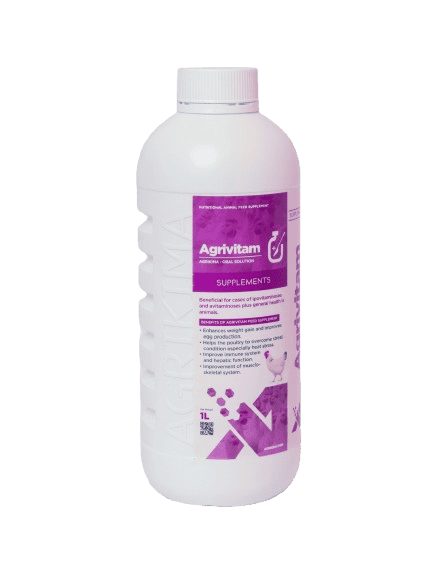
- Use Feed Additives: Consider using natural animal health solutions and supplements that promote digestive health and reduce the risk of bloat.
Conclusion
Identifying and treating bloat in sheep quickly can save lives. By monitoring your flock for symptoms, using effective treatment options like stomach tubes and anti-foaming agents, and implementing prevention strategies, you can minimize the risks associated with bloat. Always consult with a veterinarian for personalized advice and to obtain quality veterinary products and supplements that can support your sheep's health.