Boosting Feed Efficiency with Feed Additives
The Importance of Feed Efficiency in Livestock Production
Feed efficiency is a crucial aspect of livestock production, directly impacting the profitability and sustainability of farming operations. Efficient feed conversion means that animals can gain weight or produce milk with less feed, reducing costs for farmers. This is where feed additives come into play, offering solutions to enhance feed efficiency and overall animal performance.
What are Feed Additives?
Feed additives are substances added to animal diets to improve feed efficiency, promote growth, and maintain health. They can include a wide range of products, such as enzymes, probiotics, and vitamins, each serving specific roles in improving the nutritional quality of animal feed.
How Feed Additives Improve Feed Efficiency
Utilizing specific feed additives can lead to improved feed conversion ratios (FCR) in livestock production. Here’s how they work:
- Enhancing Nutrient Absorption: Certain additives, such as enzymes, help break down complex feed components, making nutrients more readily available for absorption in the gut. This means livestock can extract more energy and protein from their feed, leading to better growth rates.
- Modulating Gut Microbiota: Probiotics and prebiotics promote healthy gut bacteria, improving digestion and nutrient utilization. A balanced gut microbiome can significantly enhance livestock health and feed efficiency.
- Reducing Feed Waste: By improving the digestibility of feed, additives can minimize waste, ensuring that more of the feed consumed is converted into animal growth or milk production.
- Boosting Immune Function: Some feed additives strengthen the immune system of livestock, leading to healthier animals that require less medication and have improved growth performance.
Types of Feed Supplement Types
There are various types of feed supplements, each with unique benefits for improving feed efficiency:
- Enzymes: These are added to enhance the breakdown of fibrous materials in feed, increasing nutrient availability.
- Probiotics: Live microorganisms that support gut health and improve digestion.
- Mineral and Vitamin Premixes: Essential for balanced nutrition, these help prevent deficiencies that can hinder growth and productivity.
- Acidifiers: These can lower gut pH, creating an environment that promotes beneficial bacteria while inhibiting pathogens.
Practical Tips for Farmers
Incorporating feed additives into your livestock's diet can be simple and effective. Here are some practical tips to get started:
- Assess Your Current Feed: Evaluate the nutritional quality of your existing feed and identify areas that could benefit from supplementation.
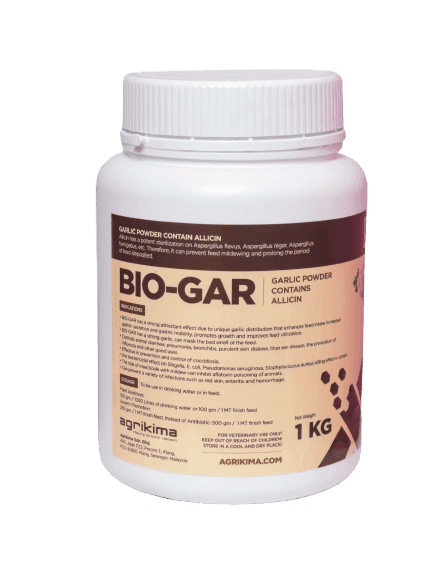
- Select Quality Products: Choose reputable brands for feed additives to ensure you're providing high-quality supplements to your livestock. Agrikima offers a range of natural animal health solutions that can enhance feed efficiency.
- Monitor Animal Performance: Keep track of feed intake, weight gain, and overall health. Adjust your feeding regimen based on performance data to optimize results.
- Consult with a Nutritionist: For tailored advice, consider consulting with an animal nutritionist who can help formulate a balanced diet that meets the specific needs of your livestock.
Conclusion
Incorporating feed additives into your livestock's diet can lead to significant improvements in feed efficiency and overall productivity. By enhancing nutrient absorption, modulating gut microbiota, and reducing feed waste, these supplements play a vital role in modern livestock production. For those looking to optimize their feeding strategies, quality veterinary products and supplements can make all the difference.
Your message to the team
Sources: Read More
- Feed Additives: Enhancing Animal Performance and Health — Purdue University Extension
- Feed Additives and Their Role in Animal Nutrition — Food and Agriculture Organization (FAO)
- Improving Feed Efficiency in Livestock — Iowa State University Extension and Outreach
- Feed Additives in Animal Nutrition — Journal of Animal Science
- Types of Feed Supplements and Their Benefits — Australian Government Department of Agriculture
- The Role of Feed Additives in Livestock Production — Farm Progress