Profitable Broiler Farming: A Complete Guide

Introduction to Broiler Farming
Starting a broiler farm can be a lucrative venture for farmers. With the increasing demand for chicken meat, this poultry business offers great opportunities for profit. In this broiler farming guide, we will cover essential steps to establish your broiler farm successfully.
Understanding the Basics of Broiler Farming
Broiler farming refers to the raising of chickens specifically for meat production. Unlike layers, which are raised for egg production, broilers are bred to grow quickly and efficiently. Here are some key points to consider:
- Broiler chickens grow rapidly, reaching market weight in about 6-8 weeks.
- Broilers require a balanced diet to ensure healthy growth and optimal meat quality.
- Proper management practices are crucial to prevent diseases and ensure high yield.
Steps to Start Your Broiler Farming Journey
1. Conduct Market Research
Before starting your poultry startup, it's essential to understand the market demand for chicken meat in your area. Analyze local markets, restaurants, and butcheries to gauge how much chicken is sold and at what price.
2. Create a Business Plan
A well-structured business plan will guide your broiler farming operations. Include the following in your plan:
- Initial investment and projected costs
- Revenue projections based on market research
- Marketing strategies for your chicken business
3. Choose a Suitable Location
Identify a location that is accessible and has enough space for your broiler houses. Ensure that the site has good drainage and ventilation to avoid flooding and maintain a healthy environment for the birds.
4. Construct Broiler Housing
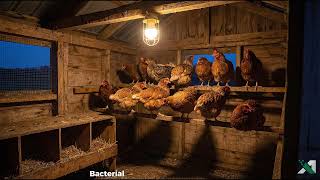
Proper housing is essential for the welfare of your chickens. Your broiler house should be designed to protect them from harsh weather conditions while providing adequate space for movement. Consider the following:
- Space: Allocate about 1 square meter per 6-8 birds.
- Ventilation: Ensure good airflow to prevent respiratory diseases.
- Biosecurity: Implement measures to prevent the introduction of diseases.
5. Source Quality Chicks
Purchase broiler chicks from reputable hatcheries to ensure they are healthy and of good quality. Look for breeds that perform well in your climate, such as Ross or Cobb.
6. Feed Your Broilers Properly
Nutrition plays a vital role in broiler farming. Use quality feed that meets the nutritional needs of your birds at different growth stages. Consider using feed additives and supplements to enhance growth and health. Agrikima offers various quality veterinary products that can help improve feed efficiency.
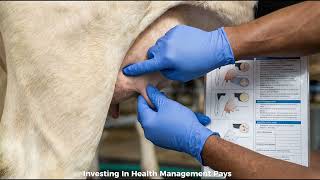
7. Implement Health Management Practices
Keeping your chickens healthy is crucial for successful meat production. Here are some health management tips:
- Vaccinate your broilers against common diseases.
- Regularly monitor for signs of illness or distress.
- Consult a veterinarian for any health issues and consider using natural animal health solutions.
8. Monitor Growth and Harvest
Regularly assess the growth rate of your broilers. They should reach market weight by about 6-8 weeks. Plan your harvest carefully, ensuring that you have buyers lined up to avoid losses.
9. Marketing Your Chickens
Effective marketing is key to the success of your chicken business. Use social media, local markets, and word of mouth to promote your meat. Establish relationships with local restaurants and retailers to secure consistent orders.
10. Keep Records
Maintain detailed records of your operations, including feed consumption, growth rates, sales, and expenses. Analyzing this data will help you make informed decisions and improve your farming practices.
Conclusion
Starting a profitable broiler farm is achievable with the right knowledge and resources. By following this broiler farming guide, you can set up a successful chicken business that contributes to meat production in your community. Remember, utilizing quality veterinary products and supplements can significantly enhance your farming outcomes.