Brucellosis in Goats and Sheep: A Farmer's Guide
Understanding Brucellosis in Goats and Sheep
Brucellosis is a serious disease that primarily affects goats and sheep, caused by the bacterium Brucella melitensis. This disease can lead to significant reproductive issues, such as abortions and infertility, affecting both your livestock's health and your farm's productivity. Understanding how to recognize and prevent brucellosis is crucial for any farmer.
Symptoms and Effects of Brucellosis
Brucellosis can manifest in various ways in goats and sheep, leading to:
- Abortion storms: Affected animals may abort their fetuses, particularly in the late stages of pregnancy, resulting in devastating losses for your flock.
- Reduced milk production: Infected animals often produce less milk, which can impact your dairy operations significantly.
- Infertility: Both male and female goats and sheep can experience infertility, making it difficult to maintain a healthy breeding program.
How Brucellosis Spreads
Understanding the transmission of brucellosis is vital for implementing effective control measures. The disease spreads primarily through:
- Contact with infected blood, tissues, or placentas from aborted fetuses.
- Consumption of raw milk or undercooked meat from infected animals.
- Contact with contaminated equipment or surfaces.
As such, maintaining strict biosecurity practices on your farm is essential to prevent outbreaks.
Protecting Your Flock
Vaccination
Vaccination is one of the most effective methods for controlling brucellosis. Ensure to consult with your veterinarian about the appropriate vaccination program for your goats and sheep. Vaccines can help reduce the incidence of the disease and protect your herd from future outbreaks.
Regular Testing
Regularly testing your flock for brucellosis can help catch infections early and prevent widespread contamination. Work with your veterinarian to establish a testing schedule that fits your farming practices.
Safe Milk Practices
Brucellosis poses significant risks to milk safety. Ensure that any milk from your goats and sheep is pasteurized before consumption. This will greatly reduce the risk of zoonotic transmission to humans, who can contract the disease from unpasteurized products.
Signs of Infection
Keep an eye out for the following signs that may indicate brucellosis in your goats and sheep:
- Sudden drop in milk production.
- Repeated abortions within your flock.
- Weak or stillborn kids or lambs.
- Swollen testicles in males.
If you observe any of these symptoms, it’s crucial to consult your veterinarian immediately to initiate appropriate testing and management protocols.
Preventing Zoonotic Transmission
Brucellosis is a zoonotic disease, meaning it can be transmitted from animals to humans. Farmers and farm workers are particularly at risk. To minimize the risk of transmission:
- Always wear gloves when handling animals, especially during birthing or when cleaning up after abortions.
- Ensure that all milk is pasteurized before consumption.
- Practice good hygiene by washing hands and sanitizing equipment regularly.
Using Quality Veterinary Products
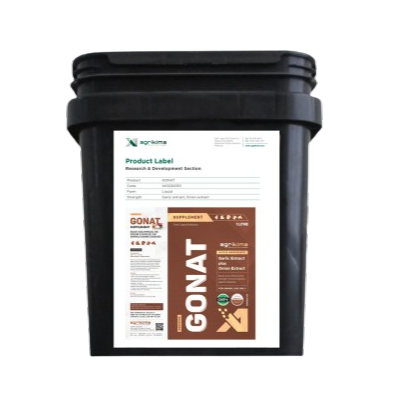
Investing in quality veterinary products and supplements can enhance your flock's health and resilience against diseases like brucellosis. Agrikima offers a range of natural animal health solutions that can support the overall wellbeing of your goats and sheep.
Conclusion
Brucellosis in goats and sheep is a serious concern that requires proactive management. By implementing vaccination programs, practicing safe handling of milk, and maintaining rigorous biosecurity measures, you can protect both your flock and your family from this dangerous disease. Stay informed, and consult with veterinary professionals to keep your farm thriving.
Your message to the team
Sources: Read More
- NVAP Reference Guide: Brucellosis (Control and Eradication) — USDA APHIS
- Brucellosis — Food and Agriculture Organization (FAO)
- Brucellosis – World Organisation for Animal Health (WOAH) — World Organisation for Animal Health
- Brucella melitensis is a common pathogen in sheep and goats worldwide — USDA APHIS National Goat Study
- About Brucellosis — Centers for Disease Control and Prevention (CDC)
- Zoonotic Diseases of Sheep and Goats (Brucellosis) — USDA APHIS Veterinary Services