Build a Low-Cost Pig House: Essential Guide
Building a Low-Cost Pig House
A low-cost pig house is essential for farmers looking to raise pigs without breaking the bank. This guide will explore effective low cost pig house design options, piggery construction plans, and pig shelter ideas to ensure your swine thrive.
Understanding the Importance of Pig Housing
Proper housing is crucial for the health and productivity of pigs. A well-designed pig house protects them from harsh weather conditions, provides adequate space for movement, and helps maintain hygiene. Here are some key factors to consider:
- Ventilation
- Insulation
- Space requirements
- Drainage
- Accessibility
Choosing the Right Location
Before diving into construction, select a suitable location for your pig house. Factors to consider include:
- Proximity to Water: Ensure easy access to clean water sources.
- Soil Drainage: Choose a well-drained area to prevent flooding.
- Distance from Neighbors: Maintain a safe distance to avoid noise and odor issues.
Low Cost Pig House Design
Here are some effective designs that can help you achieve a low-cost pig house:
1. Basic Open-Sided Structure
This design consists of a simple frame made from wood or metal with open sides for ventilation. Cover the roof with tin or thatch to protect against rain. This design is inexpensive and allows for good airflow.
2. A-Frame Pig House
An A-frame structure is another affordable option, providing good insulation and easy drainage. Construct the house using wooden planks or corrugated sheets, angling the roof to facilitate water runoff.
3. Portable Pig Shelters
Portable shelters are ideal for farmers who want to rotate pigs between grazing areas. Use lightweight materials such as PVC pipes and tarpaulin to construct a movable pig house. This design reduces land degradation and provides fresh foraging areas.
Piggery Construction Plans
To build a low-cost pig house effectively, follow these simple construction plans:
- Foundation: Start with a solid foundation using concrete blocks or treated wood. This prevents moisture from damaging the structure.
- Frame: Use local materials to construct the frame. Ensure it is sturdy enough to withstand weather conditions.
- Roofing: Install a sloped roof to allow rainwater to flow off easily. Use materials that provide insulation.
- Flooring: Consider using a slatted floor design for easy cleaning and to promote drainage.
Incorporating Swine Housing Layout
A good layout is vital for the efficiency of your pig house. Here are some tips for an effective swine housing layout:
- Separate Areas: Designate areas for feeding, sleeping, and waste management to maintain hygiene and reduce stress.
- Space Allocation: Provide enough space per pig to prevent overcrowding; typically, 8-10 square feet per pig is recommended, depending on their size.
- Feeding Stations: Create accessible feeding stations to minimize competition among pigs.
Ensuring Health and Well-Being
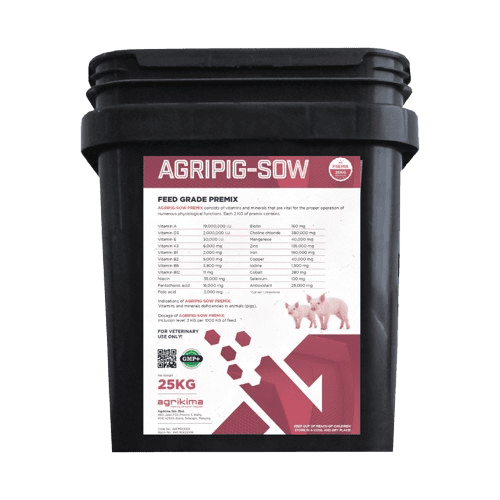
Quality veterinary products and supplements play a crucial role in maintaining the health of your pigs. Consider incorporating:
- Natural health solutions for disease prevention.
- Feed additives to enhance growth and productivity.
- Mineral supplements to ensure nutritional balance.
Final Considerations
Building a low-cost pig house doesn't mean compromising on quality. By following the right design principles and incorporating effective piggery construction plans and pig shelter ideas, you can create a safe and productive environment for your pigs. Remember to invest in their health with quality veterinary products, ensuring a successful and sustainable farming operation.