Building a Biogas Digester from Pig Manure
Introduction to Pig Manure Biogas
Pig manure is not just waste; it can be transformed into a valuable resource through biogas production. This process not only provides a renewable energy source but also aids in waste management for pig farmers. Building a piggery biogas digester can significantly contribute to sustainable farming practices.
Understanding Biogas Digesters
A biogas digester is a sealed container where organic materials, such as pig manure, are broken down by bacteria in an anaerobic environment (absence of oxygen). This decomposition process produces biogas, primarily composed of methane, which can be used for cooking, heating, or powering generators.
Benefits of Biogas from Manure
- Reduces waste disposal costs.
- Generates renewable energy, contributing to energy independence.
- Improves nutrient management by producing digestate, which can be used as fertilizer.
Steps to Build a Biogas Digester from Pig Manure
1. Planning and Site Selection
Before construction, it’s essential to plan the digester's size and location. Factors to consider include:
- Number of pigs and their manure output.
- Proximity to the pig housing to minimize transport.
- Soil type and drainage to avoid contamination.
2. Choosing the Right Design
There are various designs for biogas digesters, including:
- Fixed Dome Digesters: Ideal for smaller farms; they have a dome-shaped top that helps maintain gas pressure.
- Floating Drum Digesters: Suitable for larger operations; they have a movable gas holder that rises and falls with gas production.
3. Materials Needed
The basic materials to construct a biogas digester include:
- Concrete or brick for the digester walls.
- Steel for the gas collection dome (if using a floating drum design).
- Pipes for gas outlet and digestate removal.
4. Construction Process
Follow these steps to build your digester:
- Excavate the Site: Dig a pit according to your design specifications.
- Build the Walls: Construct the walls using concrete or bricks, ensuring they are thick enough to withstand pressure.
- Add the Dome: If using a floating drum, install the drum on top of the digester.
- Install Inlet and Outlet Pipes: Ensure proper placement to facilitate manure entry and digestate exit.
- Seal the Digester: Use waterproof materials to prevent gas leakage.
5. Feeding the Digester
Once your digester is built, begin feeding it with pig manure. It’s best to mix manure with water (1:1 ratio) for optimal digestion. Regularly monitor the input materials to maintain a balanced mixture.
6. Monitoring and Maintenance
Regular monitoring is crucial for the efficient operation of your biogas digester:
- Check gas production levels.
- Inspect for leaks and structural integrity.
- Maintain a consistent feeding schedule.
7. Utilizing Biogas
The biogas produced can be utilized in various ways, such as:
- Fuel for cooking or heating.
- Powering generators for electricity.
- As a replacement for fossil fuels in farm operations.
Conclusion
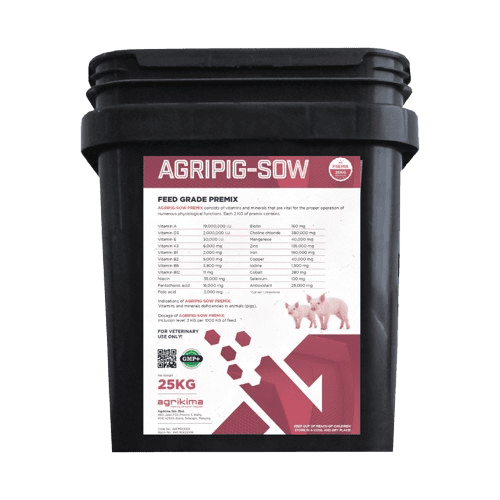
Building a piggery biogas digester from pig manure is not only a sustainable practice but also a practical solution to energy needs and waste management on the farm. By converting pig waste energy into usable biogas, farmers can enhance productivity and contribute to a greener environment. Investing in quality veterinary products and supplements can further support your livestock's health, ensuring a consistent supply of high-quality manure for biogas production.
Your message to the team
Sources: Read More
- Biogas Production from Pig Manure — Food and Agriculture Organization (FAO)
- Small-Scale Biogas Digesters for Livestock Farmers — Purdue University Extension
- Biogas Technology in Pig Production — Pig333
- Anaerobic Digestion of Swine Manure: A Review — Bioresource Technology
- Biogas Production from Pig Manure: A Sustainable Energy Source — Energies