Building a Healthy Calf Pen: Design Tips
Introduction
Creating a proper calf pen design healthy is essential for the well-being of your calves. A well-designed calf housing system can significantly reduce the risk of diseases, enabling your young livestock to grow strong and healthy. In this guide, we will explore practical tips on building a simple calf pen that prioritizes health and disease prevention.
Why Proper Calf Housing Matters
Calves are vulnerable to various diseases, including pneumonia, especially in their early weeks. An effective calf hutch or pen design can help minimize these risks. Here’s how proper housing contributes to calf health:
- Reduces Stress: A comfortable environment helps reduce stress, which can lower immunity.
- Improves Ventilation: Good airflow decreases humidity and keeps calves dry, reducing the likelihood of respiratory infections.
- Enhances Hygiene: Easy-to-clean designs prevent the buildup of pathogens that can cause disease.
Key Elements of a Calf Pen Design
1. Size and Space
Each calf should have enough space to move around freely. A minimum of 4-6 square meters per calf is recommended. This space allows calves to lie down, stand, and move without overcrowding.
2. Ventilation
Ensure your calf pen has proper ventilation to maintain air quality. Use open designs or vents to allow for fresh air circulation without creating drafts. This is crucial for pneumonia prevention in calves.
3. Flooring
Choose flooring that is non-slip and easy to clean. Rubber mats or straw bedding are good options as they provide comfort and insulation against cold surfaces. Regularly clean the flooring to maintain hygiene.
4. Shelter from Elements
Calves require protection from harsh weather conditions. Design the pen with adequate roofing and walls that shield them from rain, wind, and extreme temperatures. Insulation can also help maintain a stable internal temperature.
5. Feeding and Watering Systems
Incorporate feeding and watering systems that are easy to access and maintain. Automatic feeders can help ensure calves receive the right amount of nutrition consistently. Ensure water troughs are clean and filled with fresh water at all times.
Constructing the Calf Pen
Step-by-Step Guide
Here’s a simple process to build your calf pen:
1. Plan and Design
Sketch a layout that includes the space needed for each calf, feeding areas, and access to clean water. Consider the overall flow to facilitate easy movement for both calves and caregivers.
2. Gather Materials
Common materials include:
- Wood or metal for the frame
- Corrugated metal or wooden boards for walls
- Rubber mats or straw for flooring
- Vents for air circulation
3. Build the Frame
Construct a sturdy frame that can withstand weather elements and the weight of the calves. Ensure it is tall enough to provide adequate headroom.
4. Add Walls and Roof
Install walls that provide shelter while allowing for ventilation. The roof should be sloped to prevent water accumulation.
5. Install Flooring
Lay down rubber mats or straw for comfort and insulation. Ensure the flooring is secure and level to prevent slipping.
6. Setup Feeding and Watering Stations
Place feeding troughs and water buckets at accessible heights for calves. Regularly clean these stations to prevent contamination.
Maintaining the Calf Pen
Regular Hygiene Practices
To keep your calves healthy, implement daily cleaning routines:
- Remove soiled bedding and waste.
- Clean feeding and watering equipment.
- Inspect for any signs of disease or discomfort in calves.
Monitoring and Veterinary Care
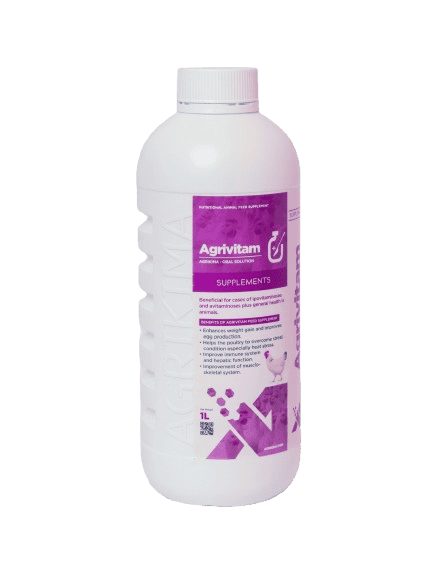
Regularly monitor the health of your calves, and don’t hesitate to consult a veterinarian for vaccinations and health checks. Quality veterinary products and supplements can further support calf health, enhancing their growth and immunity.
Conclusion
Building a calf pen design healthy requires careful planning and execution. By focusing on essential elements like space, ventilation, and hygiene, you can create a safe environment that significantly reduces the risk of disease. Remember, a well-designed calf housing system is an investment in the future health and productivity of your livestock.