Cages vs Deep Litter for Layers: A Cost and Health Comparison
Introduction
When it comes to poultry housing systems, farmers often debate between battery cages and deep litter systems for raising layers. Each system has its own set of advantages and challenges, particularly concerning costs, egg output, and bird health. This article delves into these aspects to help farmers make informed decisions.
Battery Cages vs Deep Litter: Cost Analysis
One of the primary considerations for poultry farmers is the cost associated with each system. In general, the initial investment for a battery cage system is higher than that for deep litter systems. This is mainly due to the construction costs and the technology involved in setting up cages. However, it's important to consider the long-term financial implications.
Initial and Ongoing Costs
- Battery Cages: Higher initial investment and ongoing costs associated with maintenance and feeding systems.
- Deep Litter: Lower initial investment with reduced long-term costs, as feed costs can be optimized with larger flocks, contributing to overall savings.
Feed Costs
Feed costs account for a significant portion of the total expenses in both systems, often exceeding 84% of total costs. With proper management, feed costs can be minimized, making larger flocks more economically viable in either system.
Egg Output Comparison
Egg production is a crucial factor for farmers, and the choice of housing system can significantly influence output. Studies have shown that layers in battery cages tend to produce eggs at a higher rate compared to those in deep litter systems. Specifically, birds in cages have been reported to achieve production rates between 59.1% and 61.4%, while those in deep litter systems produce around 55.8%.
Egg Weight
In addition to quantity, the weight of the eggs is another important metric. Eggs from layers in battery cages have been found to be heavier, averaging between 53.9g and 54.5g, compared to those from deep litter systems, which average around 51.0g. This difference can impact market value and profitability.
Bird Health and Welfare
The health and welfare of layers are paramount for sustainable egg production. Each housing system presents its own challenges and benefits.
Health Risks
- Battery Cages: Although they offer better control over environmental conditions, they can lead to welfare concerns due to limited movement and social interaction among hens.
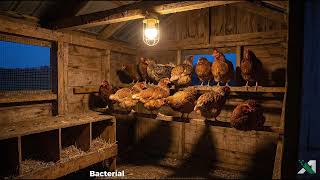
- Deep Litter: This system allows for natural behaviors such as scratching and nesting, which can enhance bird welfare. However, it requires careful management to mitigate risks such as parasitic infections and pecking.
Egg Quality
Egg quality can vary between the two systems. Layers in deep litter systems tend to produce eggs with higher mean weight and better yolk characteristics, including darker yolk color and higher cholesterol levels. However, the shell strength does not significantly differ between the two systems.
Choosing the Right System for Your Farm
When deciding between battery cages and deep litter systems, consider the following:
- Farm Size: Larger farms may benefit from battery cages due to their higher egg output and efficiency in feed conversion.
- Management Capabilities: Deep litter systems require more management to prevent health issues, while battery cages offer more streamlined operational control.
- Market Preferences: Understanding consumer preferences for egg quality can guide your decision. Some markets favor higher-quality eggs often associated with deep litter systems.
Conclusion
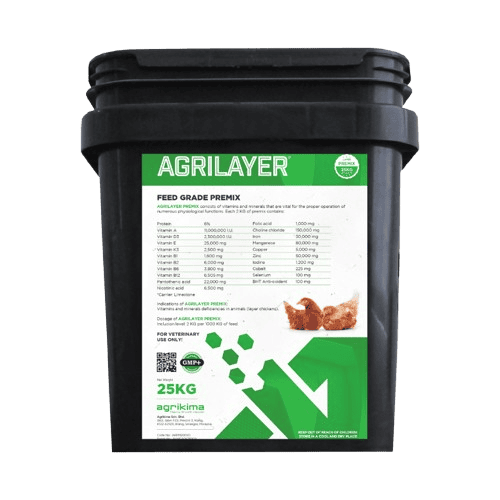
Both battery cages and deep litter systems have their unique advantages and disadvantages concerning costs, egg output, and bird health. By weighing these factors carefully, you can determine the best option for your poultry operation. Additionally, investing in quality veterinary products and supplements can support bird health and optimize production in either system.
Ultimately, the choice between battery cages vs deep litter systems will depend on individual farm goals, resources, and market demands.
Your message to the team
Sources: Read More
- The Cage Versus the Deep Litter System for the Management of Layers in the Humid Tropics — Poultry Science (Elsevier)
- Comparative Economic Analysis and Constraints in Egg Production Under Cage vs. Deep Litter Systems of Rearing in India — International Journal of Poultry Science (UN‑sponsored open access)
- Performance and cost‑benefit analysis of Isa Brown layers on different management systems — Bulletin of the National Research Centre
- Effects of Housing Systems on Production Performance, Egg Quality, Tonic Immobility and Feather Score in Laying Hens — Veterinary Medicine and Science (PMC/NCBI)
- The quality comparison of eggs laid by laying hens kept in battery cages and in a deep litter system — Czech Journal of Animal Science
- Management and housing systems for layers – effects on welfare and production — World’s Poultry Science Journal (Cambridge University Press)