Step-by-Step Guide to Calibrating a Feed Pellet Machine
Introduction to Pellet Machine Calibration
Calibrating a feed pellet machine is crucial for ensuring that your feed production is efficient and meets the desired quality standards. Proper calibration helps you maintain the right pellet die size and die roller gap, which directly affects the durability and nutritional value of the pellets.
Importance of Pellet Machine Calibration
Calibration not only ensures the consistency of your feed pellets but also aids in feed pelleting troubleshooting by reducing common issues such as pellet crumbling and inconsistent sizes. Properly calibrated machines can improve feed efficiency and reduce waste, ultimately leading to better animal health and productivity.
Step 1: Gather Necessary Tools
Before starting the calibration process, gather all the necessary tools:
- Caliper or measuring tape
- Feeding rate measurement device
- Quality control samples
- Manual for your specific pellet machine
Step 2: Understand Your Pellet Machine
Before calibration, familiarize yourself with your machine by reviewing the manual. Key aspects to understand include:
- Components of the pellet machine
- Specifications for pellet die size
- Adjustment mechanisms for die roller gap
Step 3: Check the Pellet Die Size
The pellet die size determines the diameter of the pellets. Follow these steps to check:
- Turn off the machine and allow it to cool.
- Remove the die plate carefully.
- Use a caliper to measure the thickness of the die and the holes for size accuracy.
- Ensure that the die matches the specifications needed for your feed type.
Step 4: Measure and Adjust the Die Roller Gap
The die roller gap is critical for pellet formation. To adjust:
- Locate the adjustment screws on the machine.
- Use a feeler gauge to measure the current gap between the die and roller.
- Adjust the screws to achieve the desired gap, typically between 1 to 3 mm, depending on the feed type.
- Recheck the gap after adjustments to ensure accuracy.
Step 5: Test Feed Flow Rate
Next, you will need to test the flow rate of the feed into the pellet machine:
- Start the machine and allow it to reach operational speed.
- Measure the amount of feed being processed over a defined time frame.
- Adjust the feed rate as necessary to ensure a consistent flow into the pelleting chamber.
Step 6: Conduct a Trial Run
Conduct a trial run to check the quality of the pellets produced:
- Run the machine with a small batch of feed.
- Observe the pellets for consistency in size and hardness.
- Check for any signs of crumbling or unevenly shaped pellets.
Step 7: Analyze and Adjust
After the trial run, analyze the results:
- If the pellets are crumbling, consider adjusting the die roller gap or the feed rate.
- If the size is inconsistent, recheck the pellet die size and make necessary adjustments.
- Document your findings for future reference.
Step 8: Regular Maintenance
Regular maintenance of your pellet machine will enhance its performance and longevity. Ensure you:
- Clean the machine after each use.
- Inspect and replace worn parts as needed.
- Schedule routine professional servicing.
Conclusion
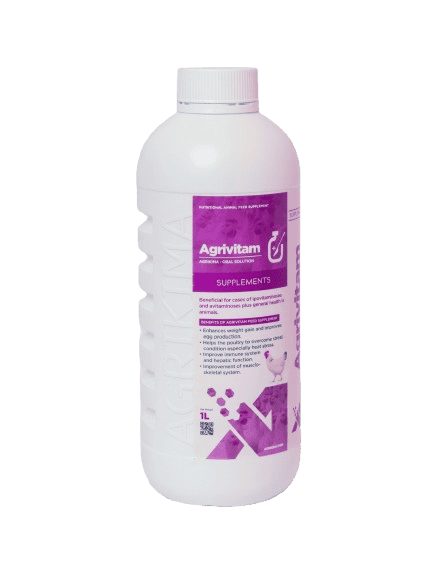
Calibrating your feed pellet machine is essential for producing high-quality feed that supports the health and productivity of your livestock. By following this step-by-step guide, you can ensure that your machine operates efficiently and effectively. Additionally, consider integrating quality veterinary products and supplements into your feed to further enhance animal health.