Candling Eggs to Track Embryo Development
Understanding Egg Candling
Candling eggs is a crucial technique used by poultry farmers to assess the quality and viability of eggs during incubation. This method involves shining a bright light through the eggs to observe their interior, allowing for the detection of defects and monitoring embryo development.
Why Candling Eggs is Important
Using the egg candling method provides several advantages to poultry farmers:
- Quality Assessment: It allows farmers to evaluate the quality of eggs and identify issues like cracks or blood spots.
- Embryo Monitoring: Farmers can track the progression of embryo development, ensuring that eggs are developing normally.
- Infertile Egg Detection: Candling helps identify infertile or non-viable eggs, which can be removed to improve hatchability rates.
How to Candle Eggs Effectively
To get the most out of your egg candling efforts, follow this simple guide:
1. Gather Your Supplies
You will need:
- A bright flashlight or candling lamp
- A dark room for better visibility
- A clean surface to place the eggs
2. Set Up Your Candling Area
Choose a quiet, dark space to minimize distractions and ensure maximum visibility. This will help you better observe the contents of the eggs.
3. Handle Eggs with Care
Always handle eggs gently to avoid damaging them. Use clean hands or wear gloves to maintain sanitation and prevent contamination.
4. Candle the Eggs
To candle an egg, hold it over the light source, ensuring the light passes through the shell. Observe the interior closely:
- Day 1-3: You should see a clear egg with a yolk. No veins should be visible.
- Day 4-7: Look for the development of blood vessels and a small embryo. If you see no development, consider the egg potentially infertile.
- Day 10: A developing embryo will be more pronounced. You may see movement if you look closely.
- Day 14: Expect to see significant growth, with the embryo filling a larger portion of the egg. Remove any eggs that show no signs of development.
- Day 18: The embryo will be nearly fully formed. Check for any abnormalities or dead embryos.
5. Record Your Observations
Maintain a record of your candling results to track embryo development over time. This will help you identify patterns and improve your incubation practices for future batches.
6. Remove Non-Viable Eggs
Eggs identified as infertile or showing no development should be removed to prevent contamination and ensure the health of viable embryos. By doing this, you can improve hatchability rates and produce healthier chicks.
Tips for Successful Egg Candling
Here are some additional tips to enhance your egg candling experience:
- Practice Regularly: Regular candling will help you become more familiar with the signs of healthy embryo development.
- Maintain Consistent Conditions: Ensure that your incubator settings (temperature and humidity) are stable, as fluctuating conditions can affect embryo viability.
- Use Quality Eggs: Start with high-quality eggs from reputable sources to increase the chances of successful incubation.
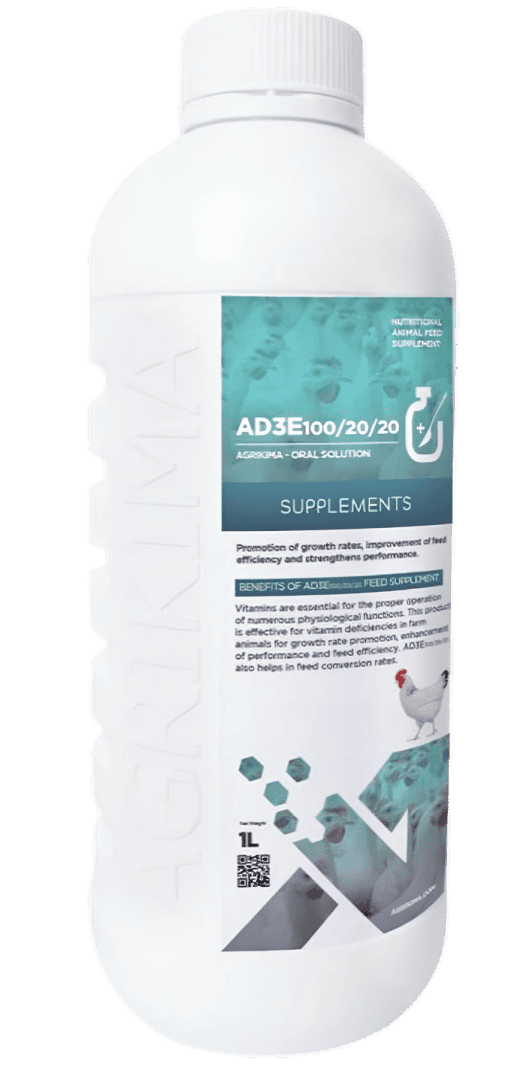
- Consider Supplements: Using quality veterinary products and supplements can enhance the health of your flock, leading to better egg production and embryo viability.
Conclusion
Candling eggs is an invaluable practice for poultry farmers looking to optimize embryo development and improve hatchability rates. By regularly monitoring your eggs using the egg candling guide provided, you can ensure a successful incubation process and ultimately produce healthier chicks. Remember that maintaining good practices and using quality veterinary products can greatly influence the outcomes of your poultry farming endeavors.
Your message to the team
Sources: Read More
- Candling and Breakout Analysis of Table Egg Layer Flocks — Extension Foundation
- Embryo Development and Hatchability — Food and Agriculture Organization of the United Nations
- Candling Eggs to Determine Embryo Development — Penn State Extension
- Egg Candling and Breakout Analysis — North Carolina State University
- Hatching Egg Sanitation and Care — University of Georgia Extension