Essential Guide to Caring for a Pregnant Cat and Kittens
Caring for a Pregnant Cat
Caring for a pregnant cat, often referred to as a queen, involves ensuring her health and comfort throughout her pregnancy. The gestation period for cats is typically around 63-65 days, and during this time, special focus is needed.
Nutrition for the Pregnant Queen
Proper nutrition is crucial for a pregnant cat. A queen's diet should be rich in extra calories, fats, proteins, vitamins, and minerals to support her developing kittens. High-quality cat food designed for pregnant and nursing cats is recommended. This will ensure she gets the necessary nutrients for her and her kittens' health.
Creating a Comfortable Environment
Providing a safe and comfortable space is essential for your pregnant cat. This area should be quiet, warm, and away from the hustle and bustle of the household. Consider setting up a nesting box filled with clean, soft bedding where she can give birth and care for her kittens.
Veterinary Care During Pregnancy
Regular veterinary check-ups are important during pregnancy. It's advisable to have her checked to ensure she is healthy and to discuss vaccinations and any health concerns. Pregnant queens should be isolated from other cats during the last half of pregnancy to reduce exposure to infectious diseases, especially upper respiratory infections.
Preparing for Cat Birth
As the due date approaches, being prepared for the cat birth is vital. Watch for signs of labor, which include nesting behavior and restlessness. It's helpful to have supplies on hand, such as clean towels and a thermometer, to monitor her temperature as she approaches labor.
Signs of Labor
- Restlessness or pacing
- Nesting behavior (scratching or moving bedding)
- Vocalizing more than usual
- Loss of appetite
- Body temperature drop below 100°F (37.8°C)
Assisting During Birth
Most cats will give birth without assistance; however, it’s good to be prepared. Ensure the area is calm, and let her do her thing. If complications arise, such as prolonged labor or signs of distress, contact a veterinarian immediately. Complications can occur, and it is essential to be prepared for any situation.
Newborn Kitten Care
Once the kittens are born, the immediate focus shifts to their care. Newborn kittens rely heavily on their mother for warmth and nutrition.
Feeding Newborn Kittens
Newborn kittens should nurse from their mother as soon as possible after birth. If the queen cannot nurse them, you may need to provide a kitten milk replacer. Kittens need to visit the vet every 3 to 4 weeks until they're about 6 months old to receive shots and parasite treatment.
Monitoring Their Health
Keep an eye on the kittens' health and development. They should gain weight steadily and be active. If you notice any issues, such as lack of weight gain or unusual lethargy, consult your veterinarian.
Socialization and Development
As the kittens grow, early socialization is crucial. Handle them gently, exposing them to different sounds and environments to promote their development. This is a critical time for their learning and adaptation to different stimuli.
The Importance of Veterinary Products
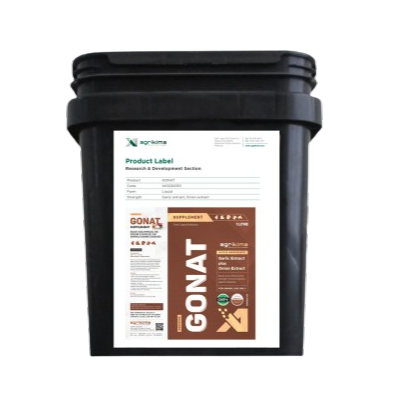
Utilizing quality veterinary products and supplements can significantly enhance the health of both the queen and her kittens. Nutritional supplements designed for pregnant and nursing cats can ensure that the queen receives all necessary nutrients, which will, in turn, benefit her kittens.
Conclusion
Caring for a pregnant cat and her newborn kittens requires attention to detail, proper nutrition, a safe environment, and regular veterinary care. By following these guidelines, you can ensure a healthy pregnancy and a thriving litter of kittens.