Essential Deworming Schedule for Healthy Indigenous Chicken
Understanding Poultry Parasites
Poultry parasites can significantly affect the health and productivity of your free-range chickens. These parasites include worms such as roundworms, tapeworms, and cecal worms that can lead to weight loss, decreased egg production, and even death. Understanding these threats is crucial for maintaining healthy indigenous chicken health.
Importance of a Deworming Schedule
A proper chicken deworming schedule is essential to prevent infestations and ensure that your flock remains healthy. By regularly deworming your chickens, you can:
- Improve their overall health
- Enhance egg production
- Reduce the risk of disease
- Ensure better feed conversion rates
Creating a Chicken Deworming Schedule
1. Initial Deworming
When you first acquire your free-range chickens, it is advisable to deworm them immediately. This is especially important for indigenous birds, as they are more susceptible to parasites when introduced to a new environment.
2. Regular Deworming Intervals
After the initial deworming, establish a regular deworming schedule. It is generally recommended to deworm your chickens every 3 to 6 months. However, this can vary based on:
- The density of your flock
- The environment in which they are raised
- The presence of visible symptoms of infestation
3. Seasonal Considerations
Consider the seasonal changes that may affect parasite prevalence. For instance, rainy seasons can increase the likelihood of parasites due to wet, muddy conditions. It may be beneficial to deworm your flock before the rainy season begins.
Signs of Poultry Parasite Infestation
It is crucial to monitor your chickens for signs of infestation. Common symptoms include:
- Weight loss or poor growth
- Pale combs and wattles
- Diarrhea or abnormal droppings
- Reduced egg production
Choosing the Right Deworming Products
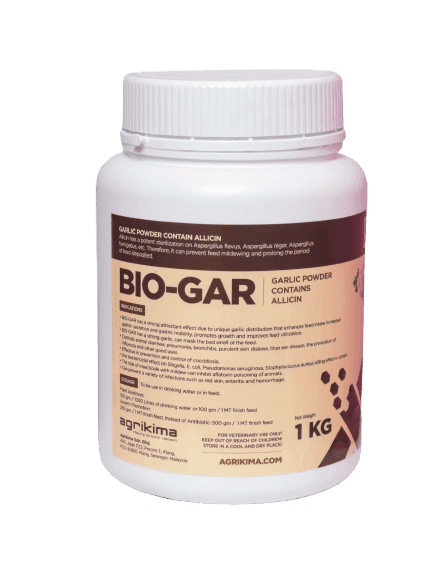
When selecting deworming products, opt for quality veterinary products and supplements designed for poultry. Products containing praziquantel, fenbendazole, or ivermectin are commonly used and effective. Always follow the dosage instructions provided by the manufacturer to ensure safety and efficacy.
Administering Dewormers
1. Oral Administration
Most dewormers are administered orally. You can mix the dewormer with their feed or give it directly to each chicken. Ensure that all birds consume the medication to maximize effectiveness.
2. Water Soluble Dewormers
Some deworming solutions can be mixed with water. Ensure that all chickens have access to the medicated water for the recommended duration.
Post-Deworming Care
After deworming, observe your chickens for any adverse reactions. Providing a balanced diet rich in vitamins and minerals can help restore their strength and improve recovery. Quality supplements can aid in their overall health post-treatment.
Record Keeping
Keep detailed records of your deworming schedule, including dates and products used. This will help you monitor the health of your flock and adjust your schedule as needed.
Conclusion
Maintaining a proper chicken deworming schedule is vital for the health of your free-range chickens. By understanding poultry parasites, recognizing the signs of infestation, and selecting the right deworming products, you can ensure that your flock remains healthy and productive. Always consult with a veterinary professional for tailored advice specific to your farm's needs.