Choosing the Right Feed Bagging and Sealing Equipment
Introduction
As feed mills grow, the need for efficient and reliable feed bagging sealing equipment becomes crucial. The right setup not only boosts productivity but also ensures the quality of your feed products. This guide will help you navigate the options available for your feed packaging line and assist you in making informed decisions.
Understanding Feed Bagging and Sealing Systems
Feed bagging systems are designed to automate the process of filling, sealing, and labeling bags of feed. These systems can vary significantly in complexity and cost, from simple manual setups to fully automated lines. Here’s a breakdown of the essential components:
- Bagging Scale: This component measures the exact weight of the feed before it is bagged, ensuring consistency.
- Bagging Machine: This automates the filling process, reducing labor costs and improving efficiency.
- Sealing Equipment: This ensures the bags are securely sealed to prevent contamination and maintain freshness.
- Conveyor Systems: These transport bags from the filling station to the sealing area, helping streamline operations.
Choosing the Right Equipment
When selecting equipment for your feed mill, consider the following factors:
1. Production Volume
The first step is to assess your production needs. If your feed mill is expanding, you'll need equipment that can handle increased volume. Look for a feed mill bagging system that can scale with your production growth.
2. Type of Feed
Different types of feed, such as pellets or mash, may require different bagging and sealing equipment. Ensure the equipment you choose is suitable for the specific type of feed you produce.
3. Bag Specifications
Consider the size and material of the bags you will be using. Make sure the bag sealer feed mill you choose is compatible with the specifications of your bags.
4. Automation Level
Decide whether you want a fully automated system or a semi-automated one. Automated systems can save labor costs and improve efficiency, but they require a higher initial investment. Semi-automated systems might be more suitable for smaller operations.
5. Budget
Establish a budget that includes not just the purchase of equipment but also installation, maintenance, and operational costs. Compare different brands and models to find the best value for your needs.
Popular Types of Bagging and Sealing Equipment
Here are some commonly used types of feed bagging sealing equipment:
1. Manual Bagging Machines
These machines are ideal for small-scale operations. They require human intervention for filling and sealing bags, making them less expensive but more labor-intensive.
2. Semi-Automatic Bagging Systems
These systems combine manual and automated processes, allowing for faster filling and sealing with less labor. They are suitable for medium-sized operations that experience moderate production volumes.
3. Fully Automatic Bagging Lines
These systems automate the entire process from filling to sealing and labeling. They are ideal for large feed mills with high production rates, offering efficiency and consistency.
Maintenance and Upkeep
Once you have selected your feed mill bagging system, regular maintenance is crucial for optimal performance. Here are some tips:
- Regular Inspections: Schedule routine checks of all equipment parts to ensure they are functioning correctly.
- Clean Equipment: Keep your bagging and sealing machines clean to prevent contamination and ensure product quality.
- Replace Worn Parts: Monitor for wear and tear, especially on sealing components, and replace them promptly to avoid production delays.
Quality Assurance
Ensuring the quality of your feed is paramount. Integrate quality control measures into your bagging process, such as:
- Testing for weight accuracy.
- Inspecting seals for integrity.
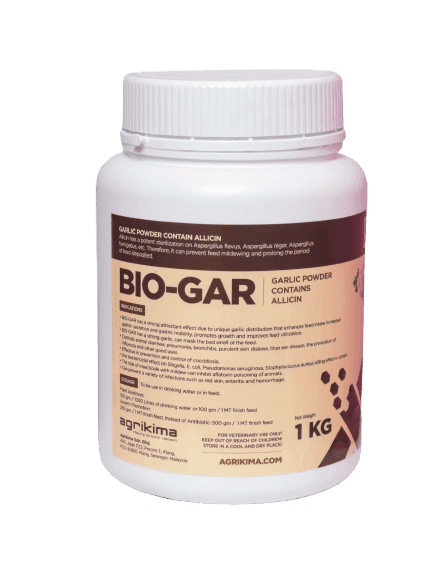
- Using quality veterinary products and supplements to enhance feed health.
Conclusion
Choosing the right feed bagging sealing equipment for your growing feed mill is essential for maintaining efficiency and product quality. By assessing your production needs, understanding the types of equipment available, and implementing regular maintenance, you can ensure your feed mill operates smoothly and effectively. Remember that investing in quality equipment not only boosts productivity but also enhances the overall quality of your feed products.